
Squid Boom Driven by Ecosystem Disturbance, Not Just Warming
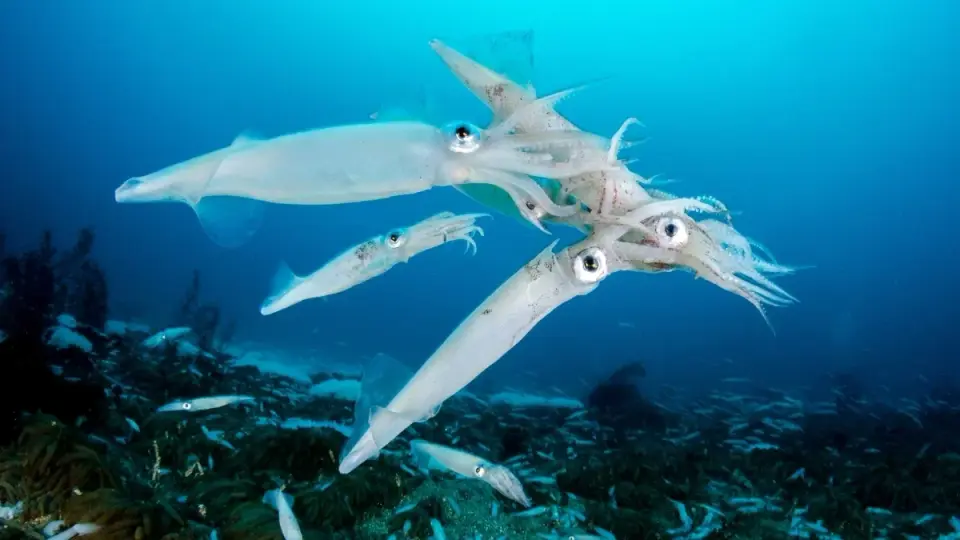
Squid populations have surged globally over the past century, but new modeling suggests this boom is driven by their rapid life cycles and ability to exploit disturbed ecosystems, rather than simply filling gaps left by overfished predators or warming waters.
Key points
- A 2016 study by the University of Adelaide found cephalopod populations increased across six decades, regardless of local fishing activity.
- Marine biologist Rémy Denéchère and team used computer models to test if overfishing or warming directly caused the squid increase.
- Models showed that while fewer predators allowed more small fish to remain for squid to eat, warmer temperatures actually reduced squid biomass in simulations.
- Squid grow five times faster than fish and live only one to two years, making them ideal 'first invaders' of disturbed habitats.
- The research suggests that resource availability, not just predator loss or temperature, is the primary limiter on squid population growth.
Background
This development follows broader concerns about ocean ecosystem stability. While previous coverage focused on extraterrestrial ocean clues, such as Europa's potential subsurface ocean, this story highlights how human activity and climate change are reshaping terrestrial marine food webs. The archive does not provide direct background on squid populations, but it underscores the scientific interest in understanding how environmental changes affect biological systems.
Why it matters
Understanding the drivers of the squid boom is crucial for predicting future ocean food web stability. If squid cannot sustainably replace the biomass of overfished predators, the loss of key species may lead to long-term ecological deficits rather than a balanced shift. This has implications for fisheries management and the resilience of marine ecosystems under continued climate stress.
What to watch
The findings are currently available as a preprint on bioRxiv and have not yet been peer-reviewed. Future research will need to incorporate factors like deep-sea temperature gradients and the effects of warming on squid embryo development to better predict population trends. Scientists will also monitor how extreme weather events, such as El Niño, impact food availability and squid growth.
Want the full story? Read the original reporting
Read on ScienceAlert