
Yucatán Impact Triggered Global Darkness and Mass Extinction
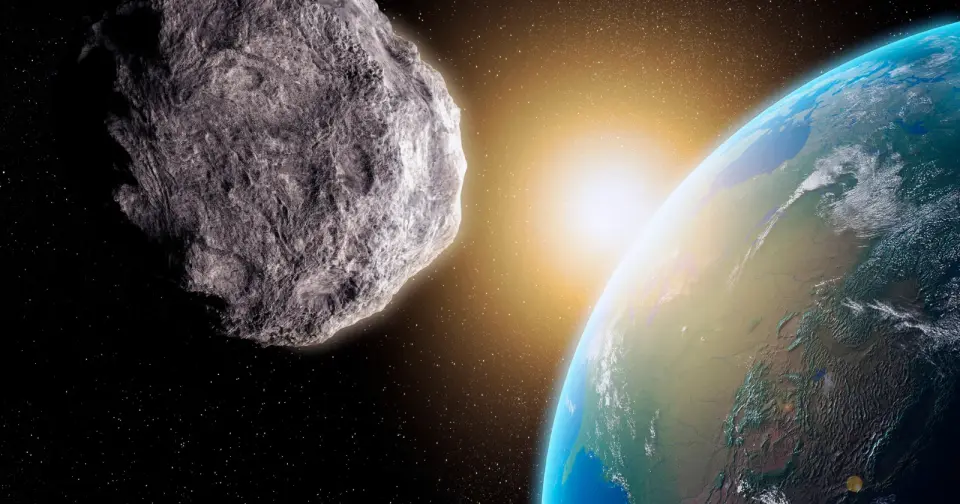
About 66 million years ago, a 10–15 km asteroid hit the Yucatán, creating the Chicxulub crater (~180 km across) and releasing energy equivalent to about 5 billion Hiroshima bombs. The impact ejected vast material, lofting dust, soot, and aerosols that blocked sunlight and likely caused a prolonged “impact winter,” leading to the mass extinction of non-avian dinosaurs and roughly 75% of species. Survival was uneven: around 12% of land species persisted, while freshwater life fared better (~90%). The crater’s link to the extinction was established in the 1990s, with 2016 drilling confirming deep-Earth material in the peak ring; scientists continue debating the exact roles of soot versus sulfur and how long the dark interval lasted.
Want the full story? Read the original reporting
Read on Space Daily