
1988 U.S. Spy Satellite 'Farrah III' Shatters in Low Earth Orbit
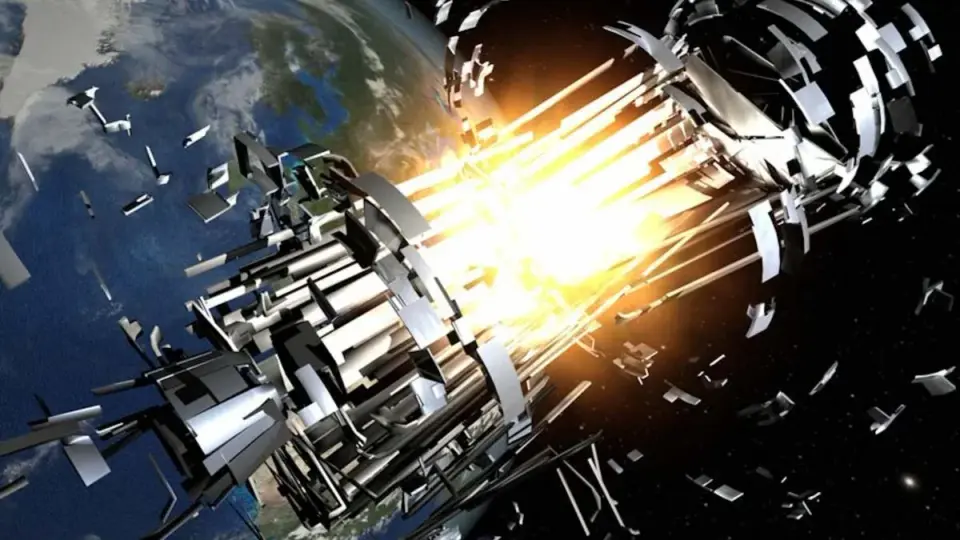
A defunct U.S. intelligence satellite, designated USA-32 and nicknamed 'Farrah III,' unexpectedly fragmented in low Earth orbit on September 13, 2026. Launched in 1988 to intercept Soviet signals, the spacecraft broke apart at an altitude of 775 kilometers, creating a debris cloud. While the U.S. Space Force reports no immediate threats to other spacecraft, the cause of the explosion remains unknown, with possibilities ranging from propellant failure to space debris impact.
Key points
- The U.S. Space Force confirmed that satellite USA-32 fragmented on September 13, 2026, at 5:13 p.m. ET.
- The satellite, part of the classified FARRAH program, was launched on September 5, 1988, aboard a Titan II rocket.
- It was designed to intercept radio-frequency emissions, specifically Soviet radar signals in the 2 to 18 GHz range.
- The breakup occurred at an altitude of approximately 775 kilometers (480 miles) above Earth.
- The cause is unknown, but potential reasons include leftover propellant explosion, battery failure, or collision with space debris.
- No evidence suggests the event was a deliberate act or involved an anti-satellite weapon.
Background
This incident adds to growing concerns about space debris in low Earth orbit, a region already crowded with over 11,000 active satellites, many belonging to SpaceX’s Starlink network. Recent archive coverage highlights the increasing concentration of space assets and the challenges of collision avoidance in a busy orbital environment. The fragmentation of a Cold War-era satellite underscores the long-term risks posed by defunct spacecraft remaining in orbit for decades.
Why it matters
The unexplained breakup of a long-defunct spy satellite highlights the persistent risks of space debris and the challenges of tracking and managing objects in low Earth orbit. As the number of active satellites grows, even minor fragmentation events can pose significant threats to operational spacecraft and future missions. The incident also underscores the need for better understanding of the causes of satellite failures, especially for legacy systems that remain in orbit for decades.
What to watch
The U.S. Space Force will continue monitoring the debris cloud to assess potential risks to other spacecraft. Researchers and space agencies may investigate the cause of the fragmentation, though the satellite’s classified nature may limit public disclosure. The incident could prompt further review of debris mitigation strategies for long-lived satellites in low Earth orbit.
Want the full story? Read the original reporting
Read on Gizmodo