
Lab-Baked Mercury Rocks Reveal Sulfur's Big Role in Planetary Chemistry
TL;DR
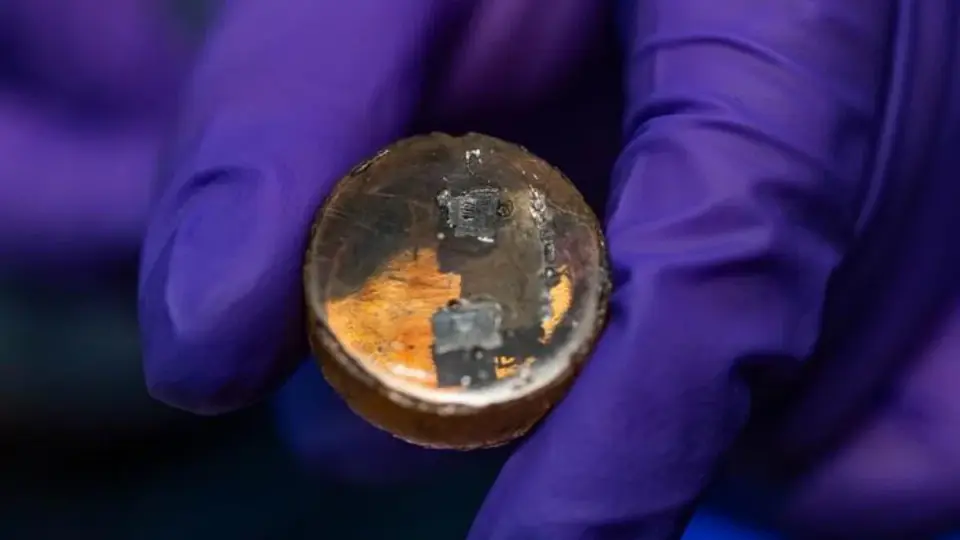
Researchers at Rice University used the Indarch meteorite to create Mercury-analog rocks in a lab, exposing how sulfur shapes Mercury’s crust and magmatic history. By simulating Mercury-like temperatures and pressures, they found sulfur replaces oxygen’s usual bonding partners on Earth, binding with elements like magnesium and calcium instead of iron, which weakens silicate structures and may prolong magmatic activity. The work, published in Geochimica et Cosmochimica Acta, offers a new approach to understanding Mercury’s unique, sulfur-rich surface chemistry without direct samples from the planet.
Topics:sciencespace-and-spaceflight#indarch#magmatic-evolution#mercury#planetary-science#space-and-spaceflight#sulfur
- Here’s What Scientists Found When They Cooked Up Their Own ‘Mercury Rocks’ Gizmodo
- Sulfur-rich magma: The key to understanding the solar system’s most reduced planet Open Access Government
- Rice researchers find sulfur-rich Mercury magmas behave differently than Earth’s EurekAlert!
- Why is Mercury so strange? The smallest planet in the Solar System has more iron than the others and days longer than years. CPG Click Petróleo e Gás
- Century-old meteorite from Azerbaijan reveals new clues about Mercury starlust.org
Want the full story? Read the original reporting
Read on Gizmodo