
SpaceX Prepares Starship for Historic Orbital Debut on Sept. 28
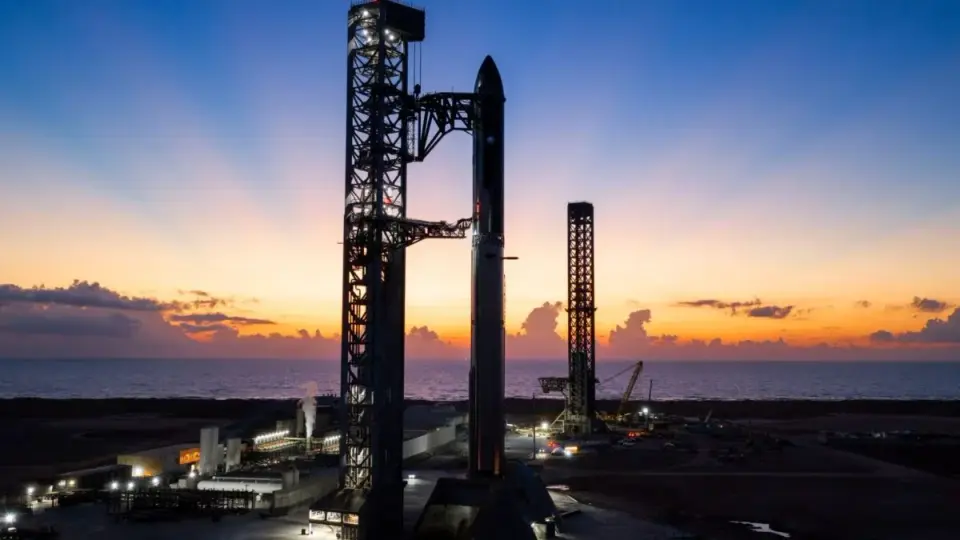
SpaceX is preparing for Starship Flight 14, the vehicle’s first orbital mission, scheduled for September 28, 2026. After 13 suborbital tests, this flight aims to reach 171 miles altitude, orbit Earth six times over 10 hours, and deploy 26 operational Starlink V3 satellites. The Super Heavy booster will attempt a controlled splashdown in the Gulf of Mexico, while the upper stage will splash down in the Pacific. SpaceX has implemented hardware and software fixes to address engine clogging issues from the previous flight and has reused heat shield tiles from the prior upper stage. Regulatory approval from the FAA is pending, with a wet dress rehearsal scheduled for September 24.
Key points
- Launch window opens at 8:15 a.m. ET on September 28, 2026, with a 75-minute duration.
- The mission targets an altitude of 171 miles (275 km) and a 10-hour orbital duration.
- Starship will deploy 26 operational Starlink V3 satellites, adding 26 terabits per second of capacity.
- Super Heavy booster B21 will attempt a boostback burn and splashdown in the Gulf of Mexico.
- The upper stage, Ship 41, will attempt a controlled reentry and splashdown in the Pacific Ocean.
- SpaceX modified Super Heavy hardware to improve engine filtering and relight reliability after Flight 13 issues.
Background
This mission follows a series of suborbital test flights, with the previous target date of September 22 delayed to September 28. Earlier reports indicated SpaceX was reallocating Starlink launches from Falcon 9 to Starship to prioritize this orbital debut. The successful recovery of the Flight 13 upper stage from the Indian Ocean allowed for heat shield analysis, leading to the design changes now being tested.
How outlets are covering it
Gizmodo emphasizes the significance of the orbital milestone for commercial viability and rapid reusability, detailing the specific hardware fixes for the booster’s engine clogging issue. Spaceflight Now focuses on the logistical aspects, noting the stacking of the 124-meter rocket on September 23 and the pending FAA regulatory approval. Yahoo Finance highlights the deployment of Starlink V3 satellites, framing the event as a key step for Elon Musk’s satellite network expansion. All sources agree on the September 28 target date and the 10-hour mission profile, but differ in emphasis: Gizmodo and Spaceflight Now focus on technical readiness and regulatory hurdles, while Yahoo Finance highlights the commercial payload implications.
Why it matters
This flight is a critical threshold for SpaceX, transitioning Starship from a test vehicle to an operational orbital launch system. Success would validate the rocket’s ability to carry cargo to orbit and return to Earth, a prerequisite for the company’s long-term goals of full reusability and large-scale Starlink deployment. The deployment of operational Starlink V3 satellites also marks a significant expansion of the company’s satellite network capacity.
What to watch
SpaceX must receive FAA regulatory approval to proceed with the launch. A wet dress rehearsal is scheduled for September 24 to identify any technical issues. If approved, the launch window opens at 8:15 a.m. ET on September 28. Following the flight, SpaceX will analyze the performance of the heat shield improvements and the booster’s splashdown, using the data to inform future missions and the development of the Starbase Louisiana launch hub.
- Starship Is About to Attempt Something It’s Never Done in 13 Flights Gizmodo
- SpaceX Starship Flight 14 live updates: Pre-launch wet dress rehearsal underway Space
- SpaceX stack Starship and Super Heavy for first orbital flight Spaceflight Now
- Elon Musk Says 'First Starship Launch to Orbit' Will Carry Starlink V3 Satellites in 7 Days finance.yahoo.com
- SpaceX Starship Flight 14: Ship 41 at the Pad, Ship 44 Already Queued BASENOR
Want the full story? Read the original reporting
Read on Gizmodo