
Decades-Old U.S. Spy Satellite 'Farrah III' Shatters in Orbit, Adding to Space Debris
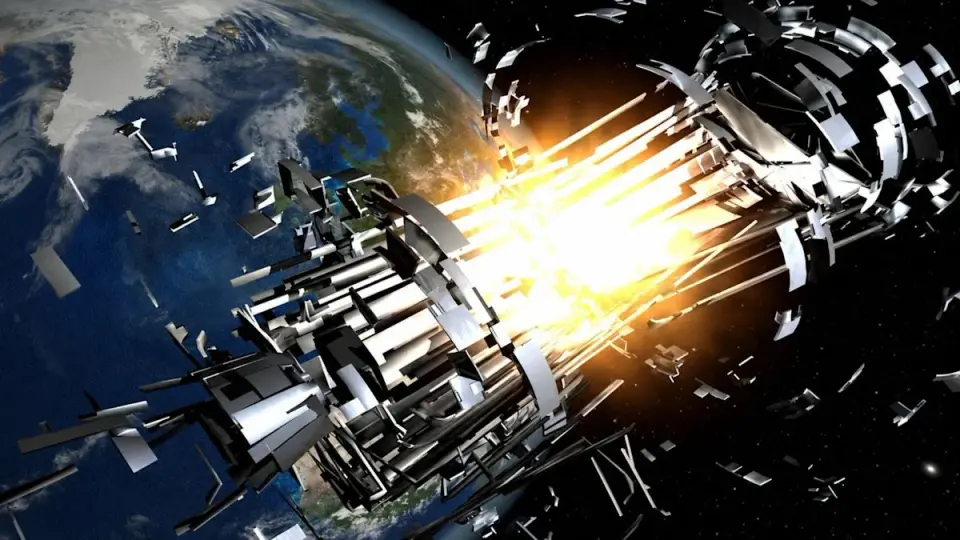
The U.S. spy satellite USA-32, nicknamed 'Farrah III,' broke apart in low Earth orbit on September 13, 2026. Launched in 1988 to intercept Soviet signals, the satellite had been inactive for years. The cause of the explosion is unknown, but it has created a debris cloud in a crowded orbital region.
Key points
- USA-32, or 'Farrah III,' fragmented on September 13, 2026, at an altitude of 775 kilometers.
- The satellite was launched in 1988 as part of Program 989 to monitor Soviet communications.
- The cause of the explosion is unknown, with theories ranging from propellant failure to a debris impact.
- The debris cloud poses a risk to other spacecraft in a crowded orbital region, including a telecommunications satellite serving over 500 companies.
- The U.S. Space Force reports no immediate threats to other spacecraft, but the cause remains under investigation.
Background
This event follows a trend of increasing space debris in low Earth orbit, as noted in our August 2026 article on Starlink's expansion. The fragmentation of 'Farrah III' adds to the growing concern about orbital safety and the need for better tracking and mitigation of space debris.
How outlets are covering it
Popular Science emphasizes the historical significance of 'Farrah III' and its role in Program 989, while Live Science focuses on the unknown cause of the explosion and the potential risks to other spacecraft. Yahoo News provides a concise overview of the event and its implications for orbital safety.
Why it matters
The fragmentation of 'Farrah III' highlights the ongoing challenges of managing space debris and the risks posed by aging satellites. It underscores the need for better tracking and mitigation strategies to ensure the safety of active spacecraft in low Earth orbit.
What to watch
International agencies are in the process of identifying and monitoring the satellite's fragments. The U.S. Space Force will likely continue to investigate the cause of the explosion and assess the potential risks to other spacecraft.
- Cold War Spy Satellite FARRAH III Breaks Apart in Orbit, Cause Unknown Yahoo
- Cold War spy satellite named after Farrah Fawcett just exploded in space Popular Science
- An American Cold War-era spy satellite just exploded above Earth — and nobody knows why Live Science
- 'Farrah Fawcett' Spy Satellite Blows Up Newser
- Cold War Spy Satellite Suddenly Shatters in Low Earth Orbit, Creating a Cloud of Debris That Could Threaten Other Spacecraft Discover Magazine
Want the full story? Read the original reporting
Read on Yahoo