
JWST reveals exoplanet LHS 3844 b’s rocky surface as a dark, volcanic world
TL;DR
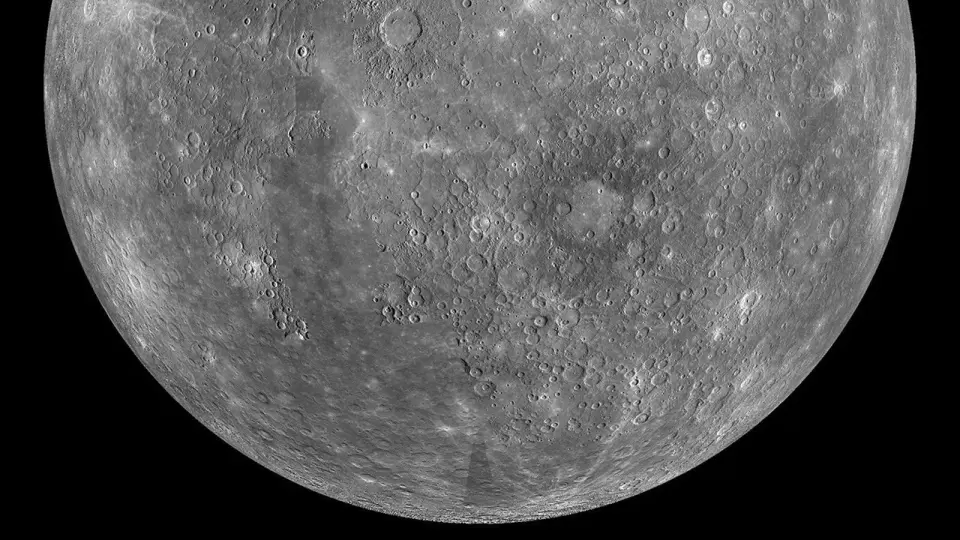
Astronomers using the James Webb Space Telescope directly analyzed the surface of the rocky exoplanet LHS 3844 b, about 50 light-years away, by measuring infrared heat from its dayside. The data indicate a dark, atmosphere-free surface likely dominated by basalt, similar to the Moon or Mercury, with temperatures around 725°C. The planet is tidally locked, and the findings suggest a surface shaped by recent volcanic activity or long-term weathering rather than an Earth-like crust. Follow-up JWST observations are planned to refine its crustal nature.
Topics:sciencespace-exploration#basalt#exoplanets#james-webb-space-telescope#lhs-3844-b#miri-infrared#space-exploration
- James Webb Space Telescope directly studies an exoplanet's surface for the 1st time: 'We see a dark, hot, barren rock' Space
- Astronomers explore the surface composition of a nearby super-Earth Phys.org
- JWST Has Revealed The Surface Composition Of A Rocky Planet 49 Light-Years Away IFLScience
- Scientists Just Uncovered a Dark Airless Super Earth that Looks Like a Giant Mercury Only 48 Light Years Away The Daily Galaxy
- First look at distant rocky planet reveals moon-like world The Pennsylvania State University
Want the full story? Read the original reporting
Read on Space