
A 1776 Independence Day Sky: Saturn in Virgo, a Lunar Eclipse, and a Different Pole Star
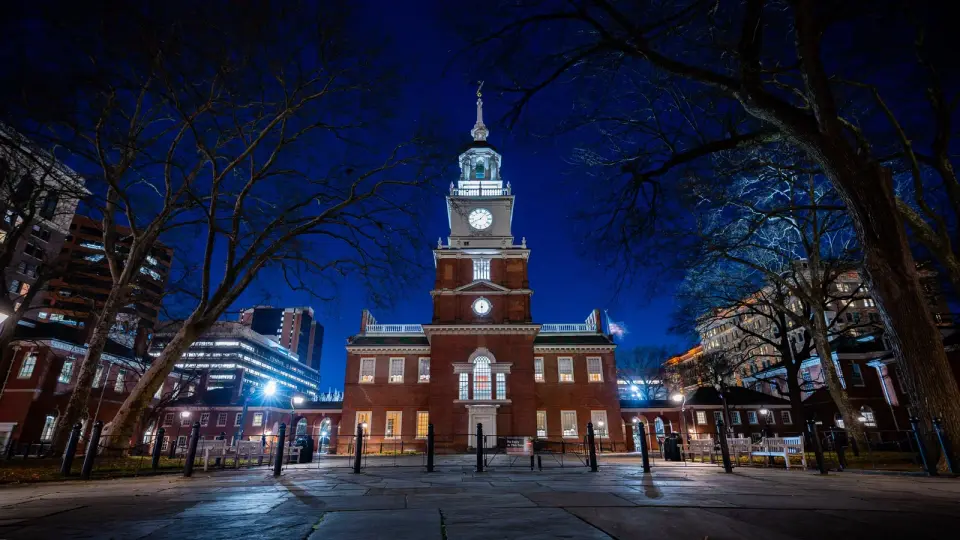
On July 4–5, 1776, observers in the American colonies would have seen a sky not far from today’s: Saturn in Virgo setting after sunset, with Mercury, Jupiter and Mars visible low in the east-northeast before sunrise, while Venus remained hidden near the Sun. Almanacs guided navigation and timekeeping, and a rare total lunar eclipse on July 30 would unfold largely before moonrise in eastern cities, lasting about 1 hour 35 minutes. Polaris was about 1.88 degrees from the celestial pole then (not as close as now), Arcturus showed only a tiny proper-motion drift, and Philadelphia’s weather was mild and mostly clear on July 4, with clouds moving in later. In short, the night sky was broadly familiar but with subtle historical differences shaped by Earth's wobble and the era’s observational tools.
- What did the night sky look like on the 1st Independence Day 250 years ago? Space
- The Sky Our Founders Saw thedailypost.digital
- Space science has come a long way since July 4, 1776. Here's a look back at the saga Yahoo
- Colorado Skies: Founding Fathers changed human history under stars much like today’s Reporter-Herald
- How viewing the heavens has changed since 1776 | Sky Shorts Canton Repository
Want the full story? Read the original reporting
Read on Space