
OECD Warns Private Satellite Boom Threatens Privacy and Security
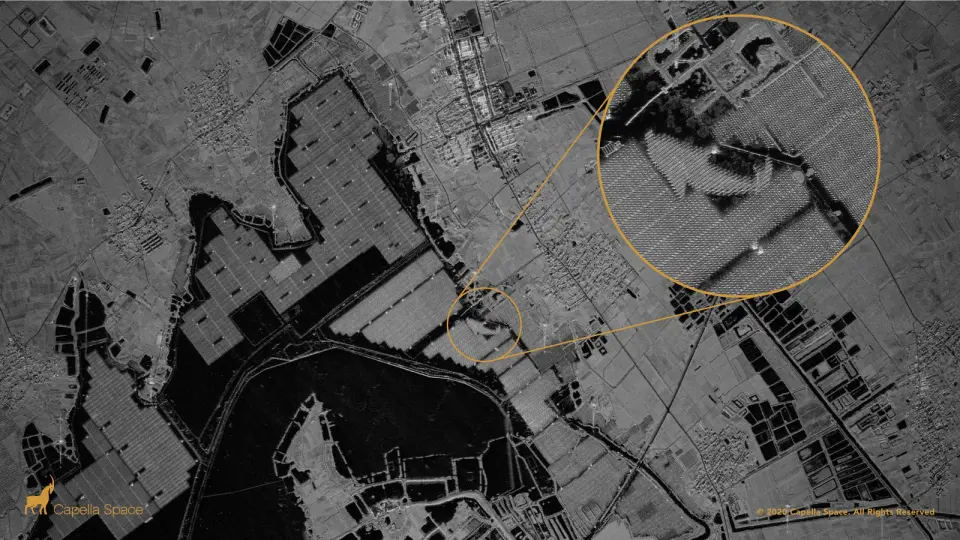
The OECD has released a report highlighting how advances in AI and cloud computing have democratized access to high-quality satellite Earth-observation data. While this benefits disaster monitoring and climate tracking, it also poses significant risks to national security and individual privacy.
Key points
- The Organization for Economic Co-operation and Development (OECD) published a report on the expanding access to satellite Earth-observation data.
- Advances in optical systems, photonics, cloud computing, and AI have made high-quality satellite data more accessible and affordable.
- The report, authored by Marit Undseth and Claire Jolly, warns that this convergence of technologies carries risks for national security and privacy.
- Private companies are increasingly involved in Earth observation, shifting it from a primarily government-led activity to a broader, more commercialized field.
- The report emphasizes the need for trust and security frameworks as satellite data becomes more widely available.
Background
This development follows earlier concerns about the proliferation of private satellite constellations, such as Russia’s Rassvet project, which faced technical setbacks in 2026. The growing number of satellites in orbit has also raised alarms among astronomers about light pollution and interference with ground-based telescopes. Meanwhile, the integration of AI in space technologies continues to accelerate, as seen in proposals for AI-driven satellite networks, though such projects remain controversial due to potential environmental and observational impacts.
Why it matters
As satellite data becomes more accessible, the balance between beneficial applications—such as disaster response and climate monitoring—and potential misuse for surveillance or security threats becomes critical. The OECD’s report underscores the need for international frameworks to manage these risks while preserving the benefits of open data.
What to watch
The OECD may follow up with recommendations for policy and regulatory measures to address the security and privacy concerns associated with satellite data. Private companies and governments will likely continue to invest in AI-enhanced Earth observation, potentially leading to further debates over data access and sovereignty.
Want the full story? Read the original reporting
Read on Space