
Apollo 7: The 1968 'Shakedown Cruise' That Saved the Moon Program
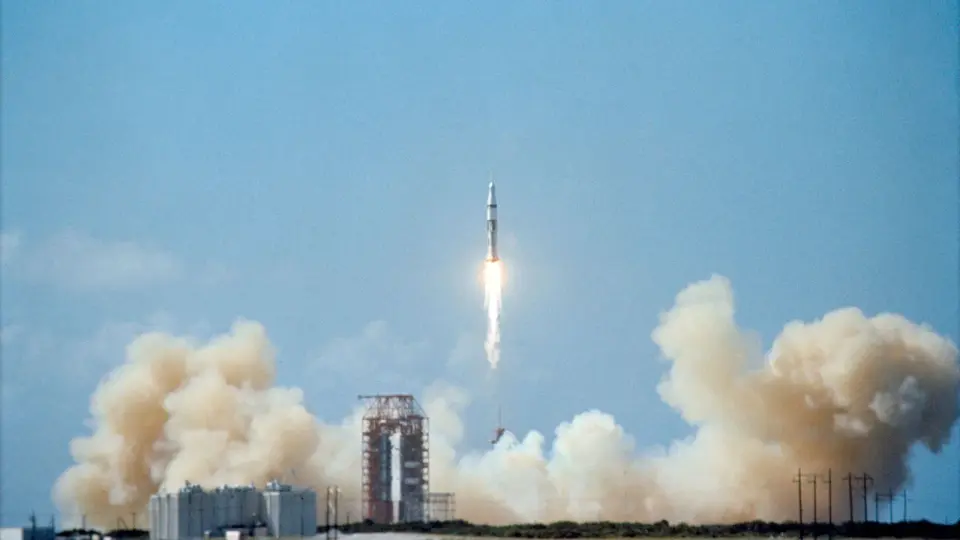
On October 11, 1968, NASA launched Apollo 7, the first crewed flight of the Apollo program. This 11-day mission served as a critical 'shakedown cruise' to test the redesigned command module after the 1967 Apollo 1 fire. Despite crew motion sickness and interpersonal friction, the flight was deemed a 101% success, validating the spacecraft and clearing the path for the 1969 lunar landing.
Key points
- Apollo 7 launched on October 11, 1968, carrying astronauts Wally Schirra, Donn Eisele, and Walter Cunningham.
- The mission was the first crewed flight of the Apollo program, following the fatal January 1967 Apollo 1 fire during a launch rehearsal.
- NASA required this flight to verify that safety fixes to the command module were effective before attempting lunar missions.
- The 11-day mission tested spacecraft systems, operating procedures, and the global tracking network.
- Crew members experienced motion sickness and Schirra developed a cold, leading to tensions with mission control.
- None of the three Apollo 7 astronauts flew in space again after this mission.
Background
This historical event is part of our ongoing coverage of NASA's crewed spaceflight milestones. Recent archive articles highlight the evolution of US astronaut transport, including the October 2026 launch of SpaceX Crew-13, which set a record for ISS transit times, and NASA's 2026 commitment to Boeing Starliner as the sole US astronaut transport provider post-Dragon. While those recent developments focus on low Earth orbit logistics and commercial partnerships, the Apollo 7 anniversary underscores the foundational importance of rigorous testing in human spaceflight history.
Why it matters
Apollo 7 was a pivotal moment that validated the safety of the Apollo command module after the tragic Apollo 1 fire. Its success was crucial for maintaining political and public support for the expensive moon program and directly enabled the subsequent lunar landing in July 1969. As noted by Neil Armstrong, the success of all subsequent Apollo flights depended on the performance of the Apollo 7 crew.
What to watch
This is a historical retrospective article published on the anniversary of the event. There are no future developments or upcoming events related to Apollo 7 itself, as the mission concluded in 1968. Current focus in space exploration remains on contemporary missions like SpaceX Crew-13 and Boeing Starliner developments.
Want the full story? Read the original reporting
Read on Space