
Distant X-ray Dot Could Unveil How Early Black Holes Grew
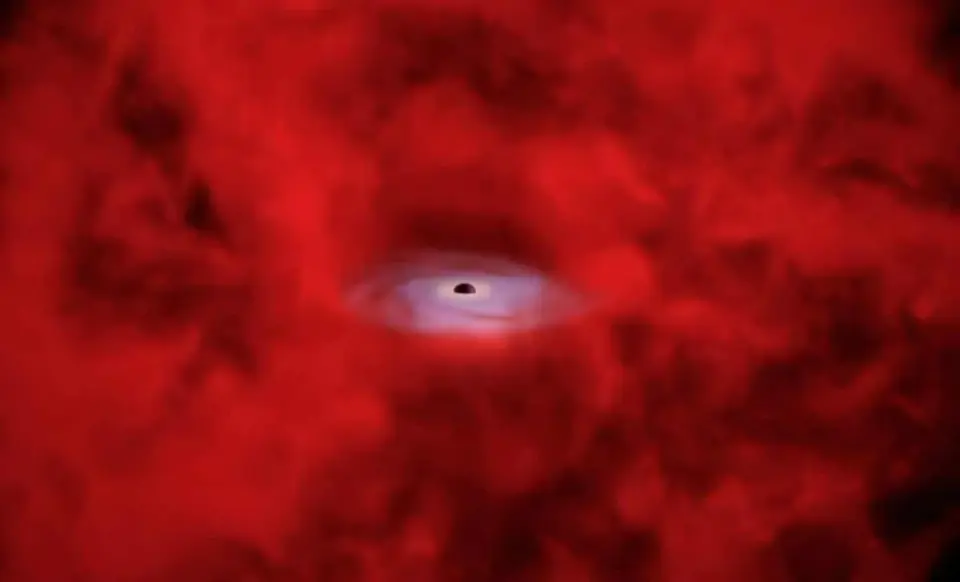
TL;DR
Astronomers using Webb and Chandra detected a faint, compact red source about 11.8 billion light-years away (3DHST-AEGIS-12014) that emits X-rays, unlike most little red dots. This could represent a transitional phase where a rapidly growing black hole is still buried in dense gas, helping link the LRD population to conventional active black holes and refining models of black hole formation in the early universe, though alternative explanations exist and further observations are needed.
- This Mysterious Red Object 11.8 Billion Light-Years Away May Solve One of Astronomy’s Biggest Puzzles The Daily Galaxy
- NASA Connects Little Red Dots with Chandra, Webb NASA Science (.gov)
- Mysterious ‘Little Red Dots��� Could Reveal How the First Black Holes Formed Orbital Today
- NASA’s Chandra Captures an “X-Ray Dot” from the Early Universe DIY Photography
- Chandra X-rays Crack the Case of JWST’s Little Red Dots Space Daily
Want the full story? Read the original reporting
Read on The Daily Galaxy