
Why the $500 Billion Mars Myth Ignores the Real Cost of Human Survival
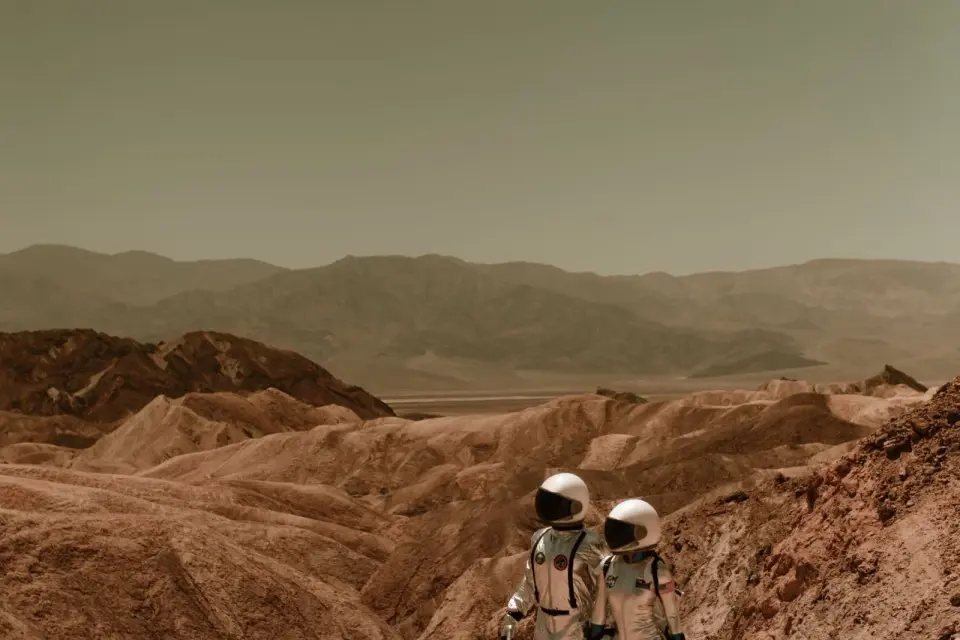
NASA's Perseverance rover cost approximately $2.7 billion, but a crewed Mars mission could cost hundreds of billions because humans require life support, return vehicles, and complex logistics. The often-cited $500 billion figure is a historical estimate from a 1989 broad space program, not a current price tag for a single Mars trip.
Key points
- Perseverance's life-cycle cost was about $2.7 billion, including $2.4 billion for launch and $300 million for operations, but it does not include a return journey or human survival systems.
- A crewed Mars mission requires hundreds of billions of dollars over decades, covering life support, radiation protection, and multiple precursor launches to ensure crew safety.
- The frequently cited $500 billion figure originated from a 1989 NASA study covering a 20-30 year space program, not a single Mars expedition, and is not a current fixed price.
- Human missions face complex engineering challenges, including recycling water and oxygen, managing waste, and surviving communication delays, which significantly increase costs compared to robotic rovers.
Background
Recent NASA initiatives, such as the $2.1 billion nuclear-powered Mars mission and the repurposing of rover hardware for lunar missions, highlight ongoing efforts to reduce costs and develop technologies for deep space exploration. These projects underscore the complexity of balancing budget constraints with the need for advanced life support and propulsion systems for future human missions.
Why it matters
Understanding the true cost of human Mars exploration is crucial for setting realistic expectations and allocating resources. The distinction between robotic and crewed missions highlights the immense engineering and logistical challenges of ensuring human survival in deep space, which cannot be simplified to a single price tag.
What to watch
NASA continues to develop reference architectures and technology studies for human Mars missions, but no final cost or launch manifest has been baselined. Future decisions will depend on advancements in reusable launchers, orbital refueling, and international partnerships, which could influence the overall budget.
Want the full story? Read the original reporting
Read on Space Daily