
Ganymede’s Hidden Ocean Could Outsize Earth’s Seas, Yet Surface Exchange Remains Elusive
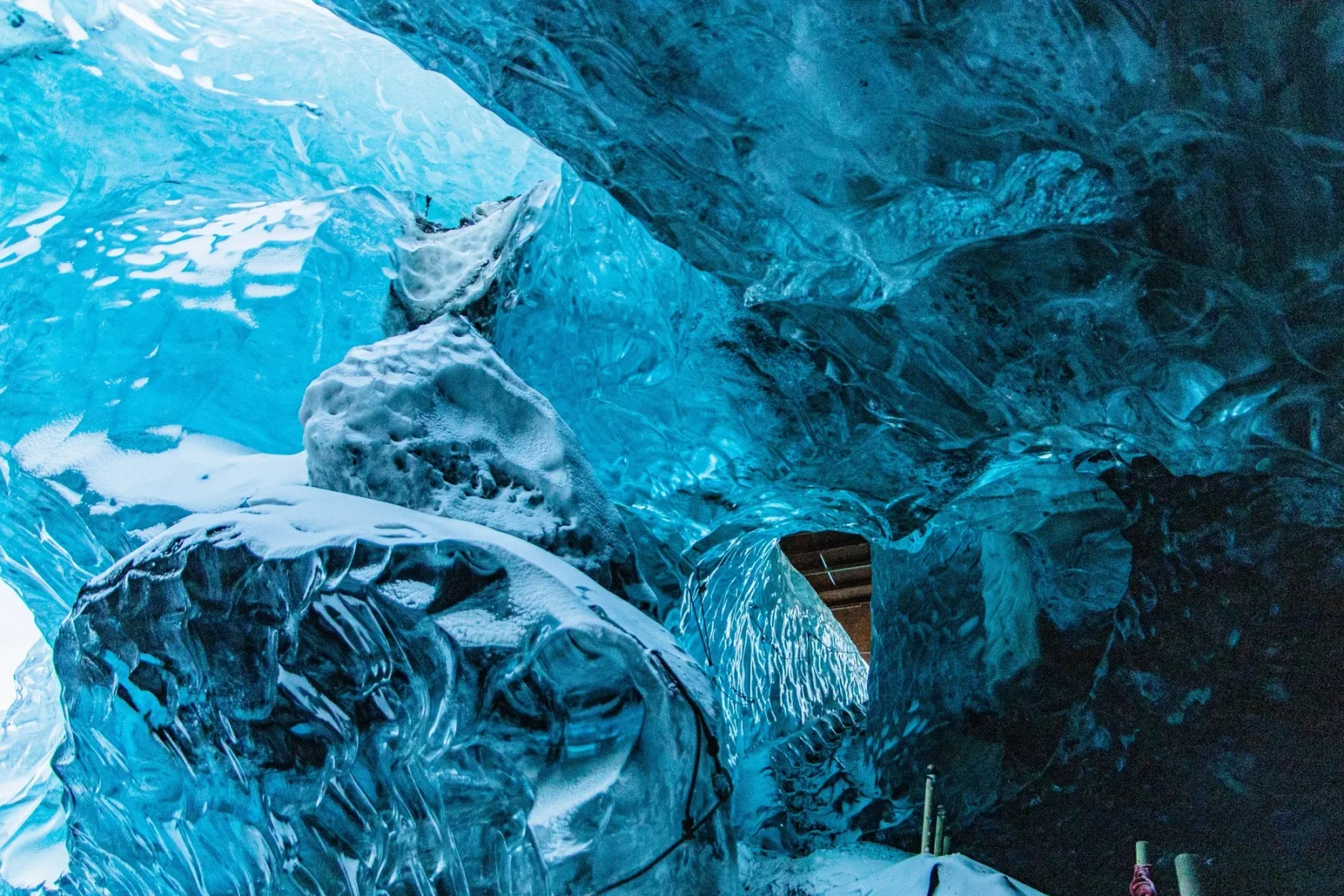
Scientists infer a vast subsurface ocean on Ganymede that may hold more water than Earth's oceans, buried beneath an ice shell estimated to be 80–150 km thick with the ocean possibly 100 km deep. The case rests on indirect clues—induced magnetic fields detected by Galileo and Hubble, and constraints from Juno’s microwave data—rather than a direct radar or plume observation. Surface salts and frost hint at past or partial exchange with the ocean, but there is no confirmed pathway from the deep sea to the surface or space like Enceladus. The JUICE mission, arriving around 2034, will combine gravity, magnetism, radar, and composition measurements to test models and see whether surface materials record transport from depth or reflect a chemically isolated reservoir. If confirmed, Ganymede would host the solar system’s largest hidden sea, though its accessibility and habitability remain unresolved.
Reading Insights
0
5
12 min
vs 13 min read
94%
2,450 → 140 words
Want the full story? Read the original article
Read on Space Daily