
Glycine Detected in Comet 67P, Boosting Prebiotic Chemistry Theories
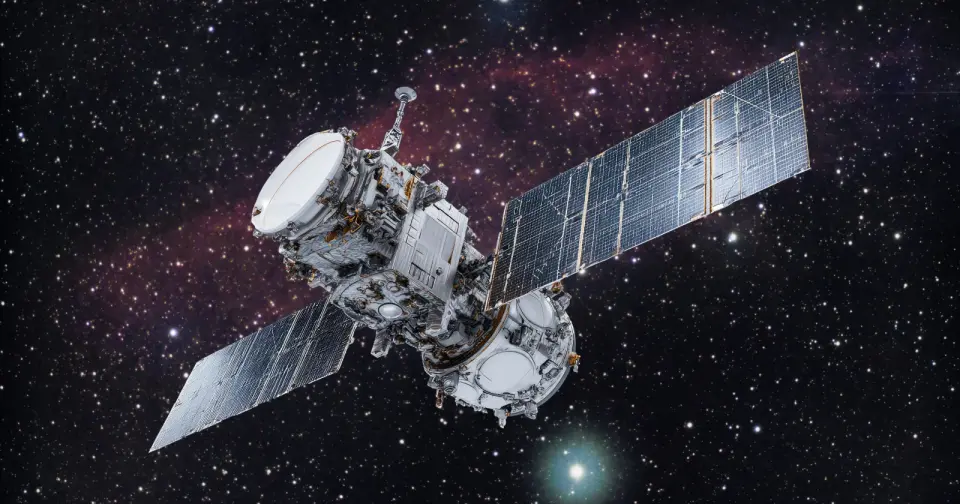
Rosetta’s ROSINA instrument measured the gas around Comet 67P/Churyumov-Gerasimenko and found glycine—the simplest amino acid—along with phosphorus and precursors like methylamine and ethylamine, in what researchers called an unambiguous detection. The description of a “smell” (rotten eggs, ammonia, bitter almonds) reflects a mass-spectrometry readout rather than an actual odor. Most of the coma is odorless water, CO2 and CO, but the presence of glycine and its precursors supports the idea that comets could deliver prebiotic chemistry to early Earth, without proving life or Earth’s origin from space; it strengthens a long-standing hypothesis while noting the large gap between molecules and living systems.
Want the full story? Read the original reporting
Read on Space Daily