Tag

Rosetta

All articles tagged with #rosetta

Two Decades of Mac CPU Pivot: PowerPC to Intel, then Apple Silicon
technology2 months ago

Two Decades of Mac CPU Pivot: PowerPC to Intel, then Apple Silicon

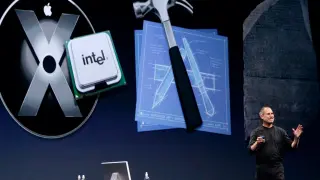
Apple’s Mac history features two major processor pivots: the 2005–06 switch from PowerPC to Intel to gain performance and a scalable roadmap (with Rosetta helping run PowerPC apps during the transition), followed by the 2020–23 move to Apple Silicon that finally delivered superior power efficiency and new design possibilities. The Intel era produced landmark machines like the MacBook Air and Retina displays but surfaced reliability and roadmap challenges, while Apple’s own silicon has provided a steadier, more efficient trajectory as Intel-based macOS updates wind down.

macOS 27 Drops Intel Support, Embraces Apple Silicon Only
technology2 months ago

macOS 27 Drops Intel Support, Embraces Apple Silicon Only

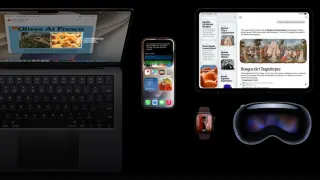
Apple says macOS 27 will be Apple Silicon–only, requiring M-series (or the A18 Pro on MacBook Neo) and will not support Intel-based Macs. Intel Macs will still receive security updates for three more years, but some older models (2020 13-inch MBP with four TB3 ports, 2019 16-inch MBP, 2020 iMac, 2019 Mac Pro) will be excluded from the update. Rosetta will remain available through macOS 27 to help run Intel apps, with limited support for older titles beyond that window. The update is set to debut at WWDC 2026 on June 8 and release to the public in September.

Glycine Detected in Comet 67P, Boosting Prebiotic Chemistry Theories
space2 months ago

Glycine Detected in Comet 67P, Boosting Prebiotic Chemistry Theories

Rosetta’s ROSINA instrument measured the gas around Comet 67P/Churyumov-Gerasimenko and found glycine—the simplest amino acid—along with phosphorus and precursors like methylamine and ethylamine, in what researchers called an unambiguous detection. The description of a “smell” (rotten eggs, ammonia, bitter almonds) reflects a mass-spectrometry readout rather than an actual odor. Most of the coma is odorless water, CO2 and CO, but the presence of glycine and its precursors supports the idea that comets could deliver prebiotic chemistry to early Earth, without proving life or Earth’s origin from space; it strengthens a long-standing hypothesis while noting the large gap between molecules and living systems.

Celebrating a Decade Since Humanity's First Touch on a 4.6 Billion-Year-Old Comet
science1 year ago

Celebrating a Decade Since Humanity's First Touch on a 4.6 Billion-Year-Old Comet

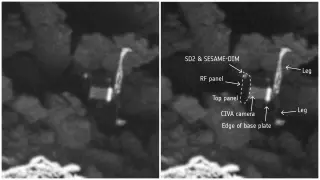
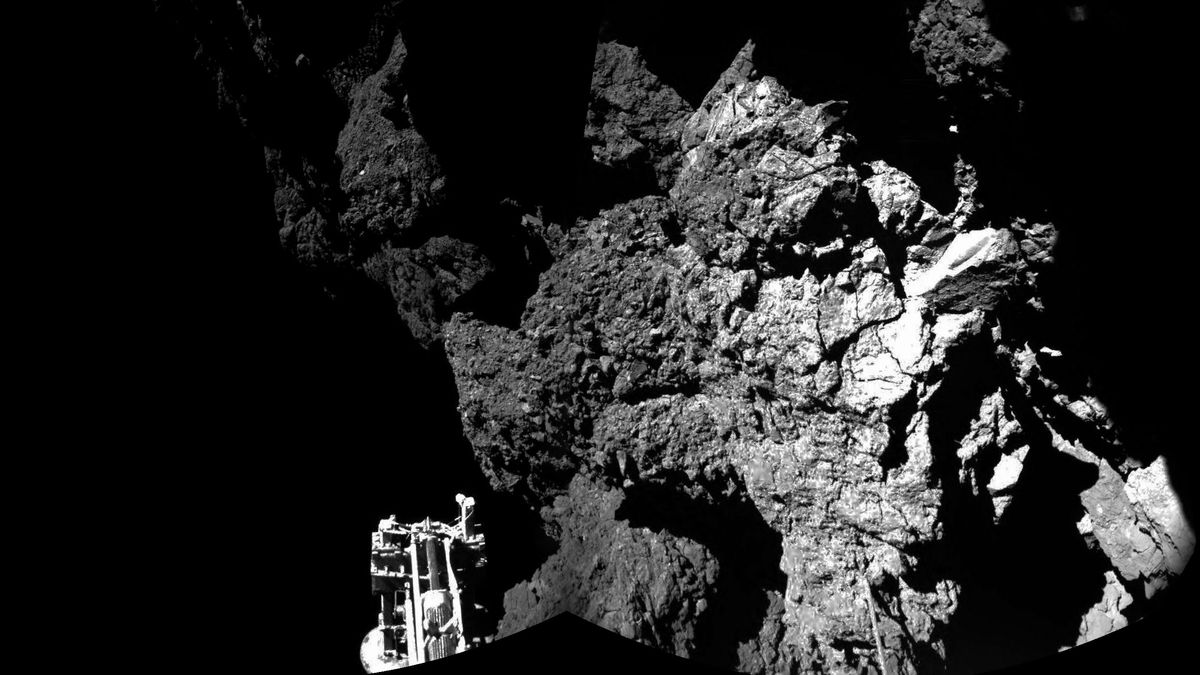
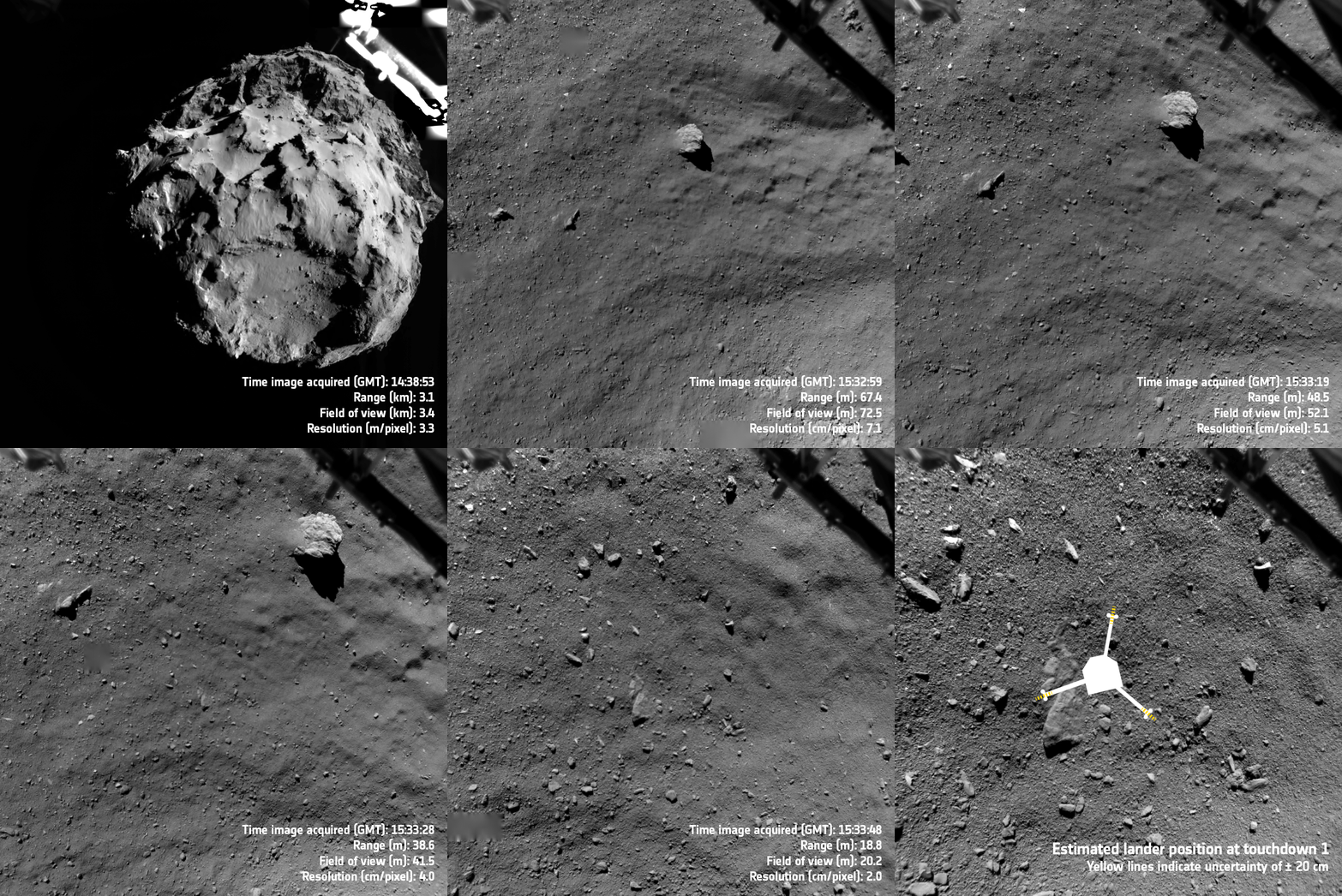
On November 12, 2014, the European Space Agency's Rosetta mission made history when its lander, Philae, successfully touched down on Comet 67P/Churyumov-Gerasimenko. This marked the first time a human-made object landed on a comet, following a 10-year journey through the solar system covering over 310 million miles. The mission provided valuable images and data from the comet's surface.

Philae's Historic Comet Landing: A Journey of Firsts and Challenges
science-and-exploration1 year ago

Philae's Historic Comet Landing: A Journey of Firsts and Challenges

On the tenth anniversary of Philae's historic landing on Comet 67P/Churyumov-Gerasimenko, the European Space Agency (ESA) celebrates the achievements of the Rosetta mission. Philae's landing, despite technical challenges, provided unprecedented data on the comet's surface and composition, including the detection of organic compounds. The mission's legacy continues to inspire future comet and asteroid exploration, with upcoming missions like Comet Interceptor and Hera building on Rosetta's success.