Tag

Comet 67p

All articles tagged with #comet 67p

Glycine Detected in Comet 67P, Boosting Prebiotic Chemistry Theories
space18 hours ago

Glycine Detected in Comet 67P, Boosting Prebiotic Chemistry Theories

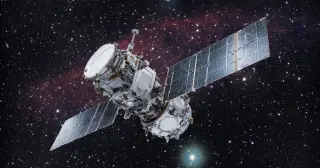
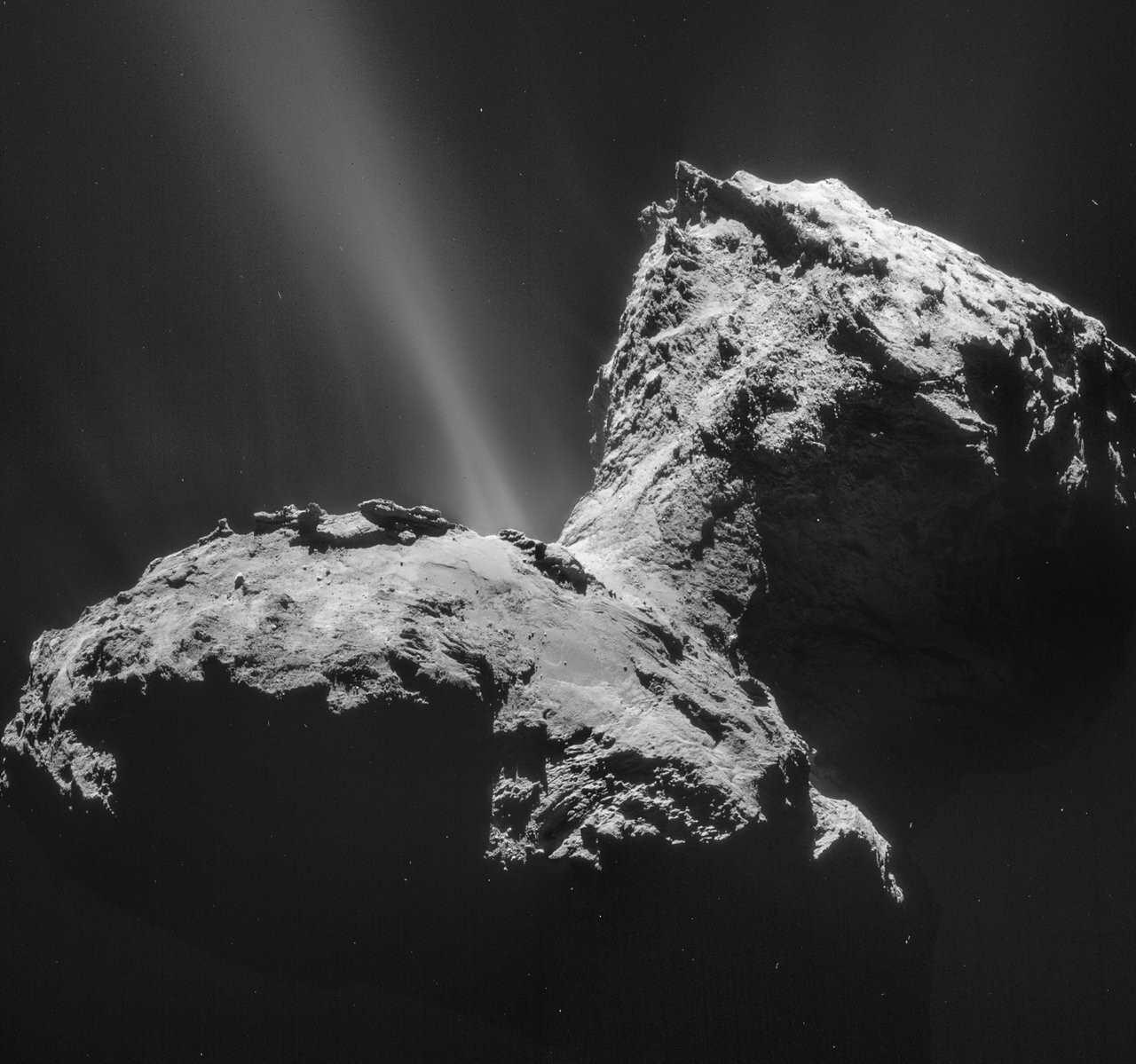
Rosetta’s ROSINA instrument measured the gas around Comet 67P/Churyumov-Gerasimenko and found glycine—the simplest amino acid—along with phosphorus and precursors like methylamine and ethylamine, in what researchers called an unambiguous detection. The description of a “smell” (rotten eggs, ammonia, bitter almonds) reflects a mass-spectrometry readout rather than an actual odor. Most of the coma is odorless water, CO2 and CO, but the presence of glycine and its precursors supports the idea that comets could deliver prebiotic chemistry to early Earth, without proving life or Earth’s origin from space; it strengthens a long-standing hypothesis while noting the large gap between molecules and living systems.

Celebrating a Decade Since Humanity's First Touch on a 4.6 Billion-Year-Old Comet
science1 year ago

Celebrating a Decade Since Humanity's First Touch on a 4.6 Billion-Year-Old Comet

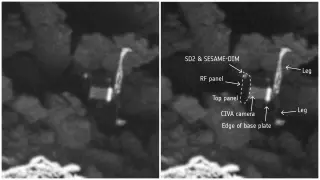
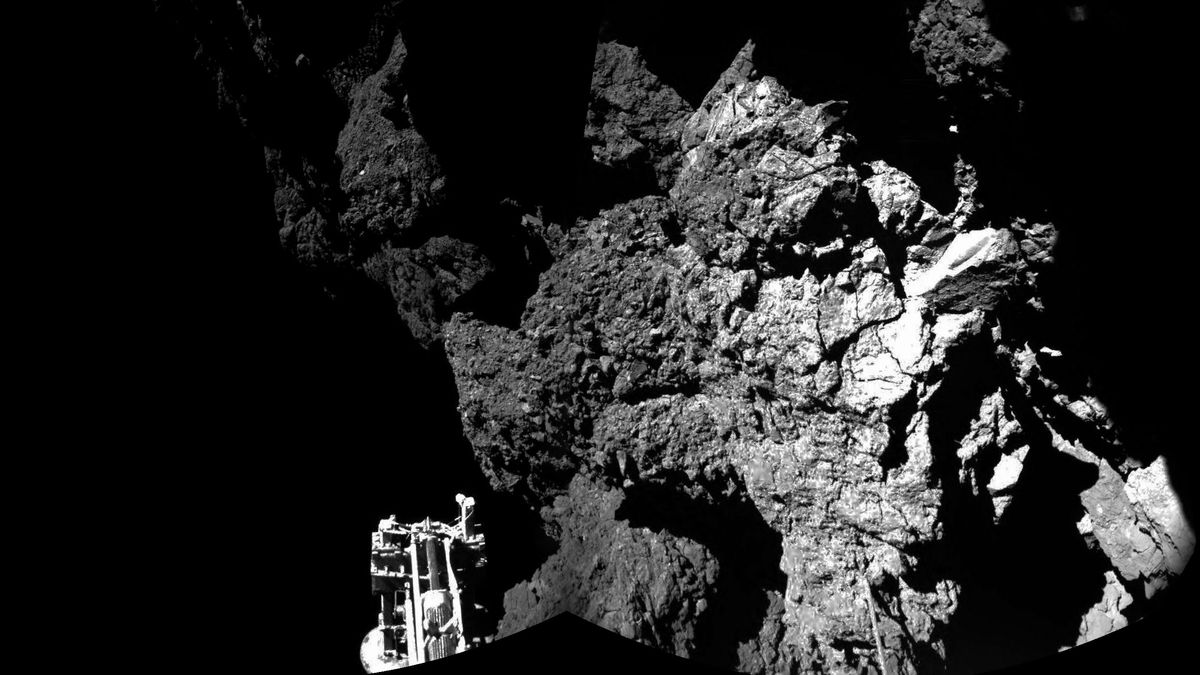
On November 12, 2014, the European Space Agency's Rosetta mission made history when its lander, Philae, successfully touched down on Comet 67P/Churyumov-Gerasimenko. This marked the first time a human-made object landed on a comet, following a 10-year journey through the solar system covering over 310 million miles. The mission provided valuable images and data from the comet's surface.

"Rosetta Orbiter and Lab Confirm Complex Organosulfur Molecules on Comet 67P"
space-science2 years ago

"Rosetta Orbiter and Lab Confirm Complex Organosulfur Molecules on Comet 67P"

Scientists studying data from the Rosetta orbiter's spectrometer for ion and neutral analysis (ROSINA) instrument have detected large organosulfur molecules on the surface of comet 67P/Churyumov-Gerasimenko. They conducted laboratory simulations to show that these molecules could have formed through chemical reactions involving hydrogen sulfide. The findings highlight the significance of cometary sulfur chemistry and its presence in precometary materials, providing insights into the composition of comets and icy small bodies. The James Webb Space Telescope is expected to further enhance our understanding of the chemistry of the solar system and the evolution of such interstellar bodies.