
Jupiter's Shape Refined: Subtle Shrinking Radius Reframes Interior Models
TL;DR
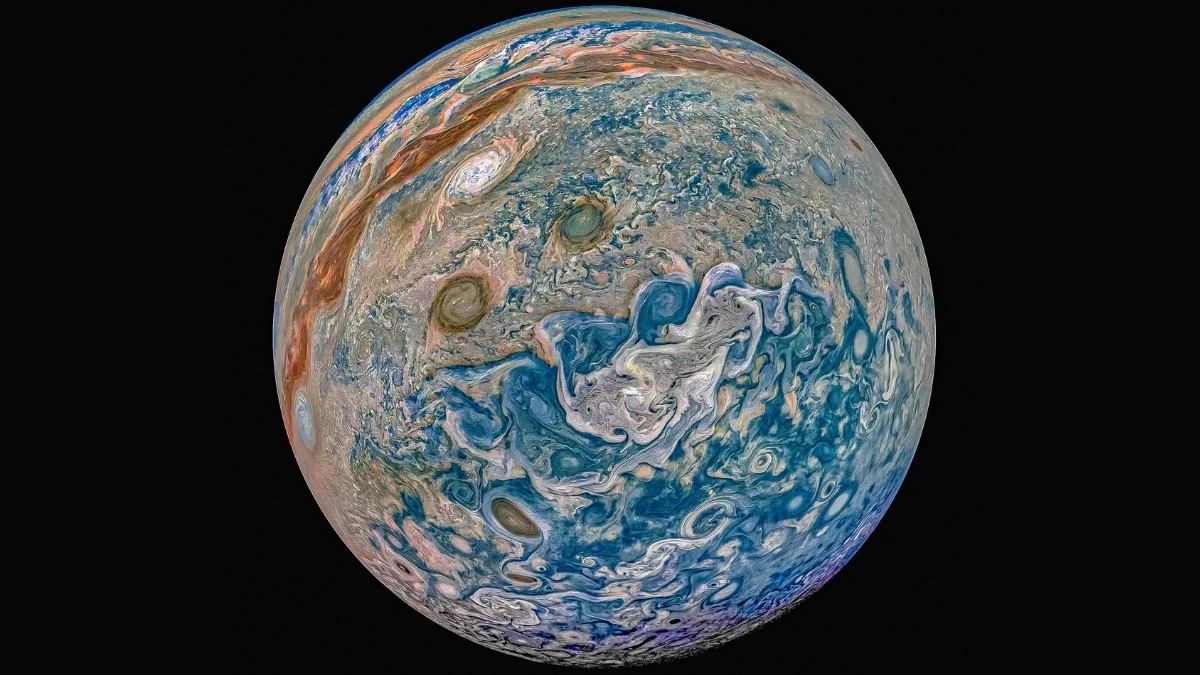
New measurements using radio occultation and data from NASA's Juno spacecraft show Jupiter is slightly smaller and more oblate than previously thought, with an equatorial radius of 71,488 km and a polar radius of 66,842 km, refining models of its interior and atmospheric dynamics.
- Jupiter Is Not The Size And Shape We've Long Thought It Was ScienceAlert
- Scientists Say That Jupiter—the Solar System's Largest Planet—Might Be Slightly Smaller Than Previously Thought Smithsonian Magazine
- Jupiter is smaller and more squashed than we thought, says NASA BBC Sky at Night Magazine
- NASA Juno Mission Uncovers Subtle Geometric Shifts That Challenge Existing Models of the Jovian Interior Gadgets 360
- The shape of Jupiter is redefined by radio-occultation data from the Juno spacecraft Nature
Want the full story? Read the original reporting
Read on ScienceAlert