
JWST traces direct-collapse seeds behind the first supermassive black holes
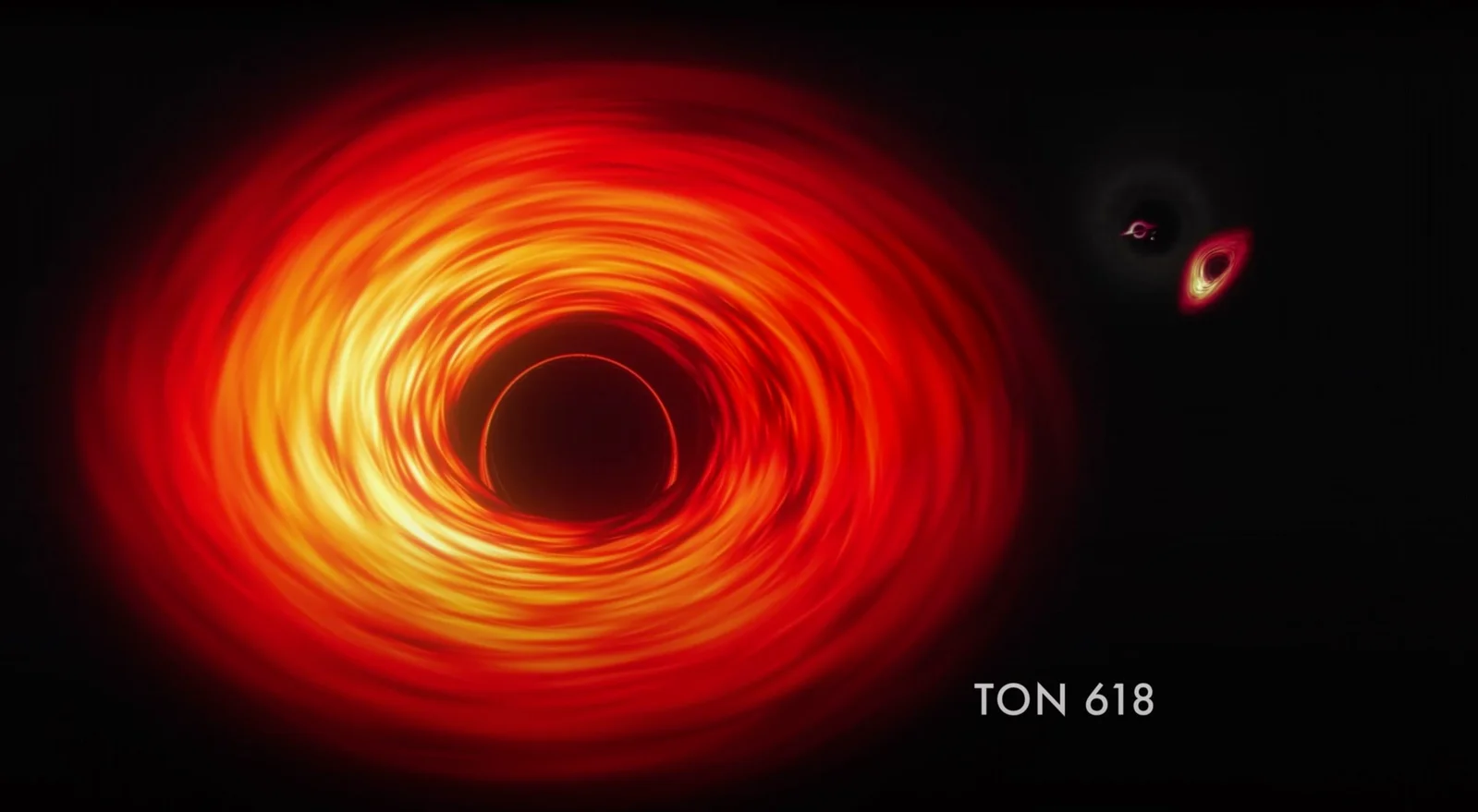
NASA’s James Webb Space Telescope is providing evidence for direct-collapse black holes as seeds for the universe’s first supermassive black holes: pristine gas clouds could collapse directly into massive seeds (tens of thousands to hundreds of thousands of solar masses), allowing SMBHs to grow to billions of solar masses within a few hundred million years after the Big Bang. The idea, proposed by Priyamvada Natarajan and colleagues, is supported by JWST observations of early SMBHs such as UHZ1 (~10 million solar masses at ~470 million years after the Big Bang) and related Infinity Galaxy findings. This helps resolve the so‑called timing problem of rapid SMBH formation and highlights the profound role of black holes in galaxy evolution and even in technologies like GPS through relativistic effects.
- James Webb Space Telescope reveals new origin story for the universe's 1st supermassive black holes Space
- Early Universe’s supermassive black holes grew in cocoons like butterflies Ars Technica
- Rule-breaking supermassive black hole discovered in the early universe Phys.org
- Astronomers found a black hole growing way too fast ScienceDaily
- A Quasar That Shouldn’t Exist Is Lighting Up the Early Universe ZME Science
Want the full story? Read the original reporting
Read on Space