
LiDAR lasers trace space junk's footprint in the upper atmosphere
TL;DR
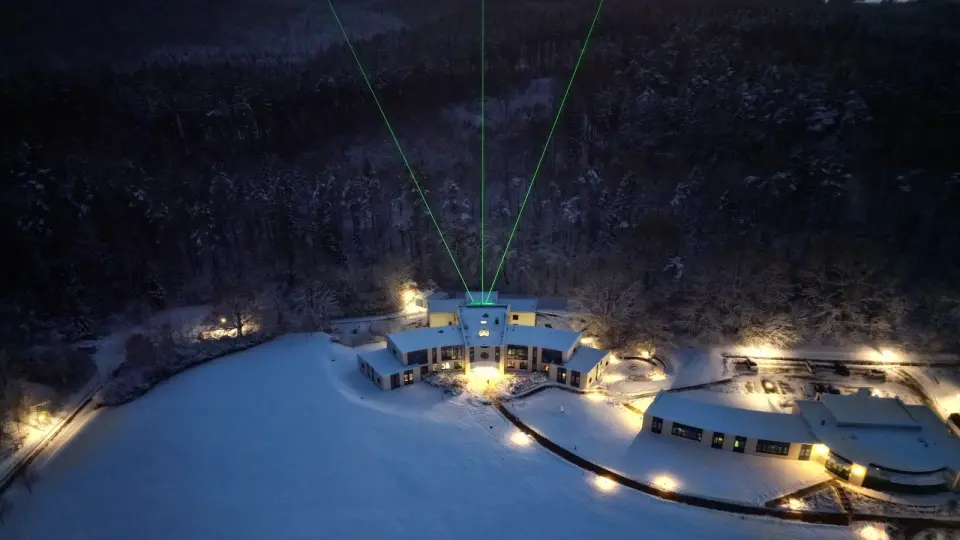
Scientists are using ground-based LiDAR to detect ablation from reentering space debris in the upper atmosphere. A lithium cloud linked to SpaceX’s Falcon 9 upper-stage reentry was observed, and Leibniz Institute researchers are testing a three-channel multi-species LiDAR to detect metals and propellant residues (e.g., copper, aluminum oxide, hydrogen fluoride). The findings suggest debris reentry is altering the mesosphere and upper stratosphere, with potential implications for the ozone layer as satellite megaconstellations grow; experts call for expanded monitoring and dedicated efforts to track space waste reentry.
- Lasers shine a new light on the space junk air pollution problem Space
- Almost half of the objects in Earth’s orbit are junk—and that’s only the stuff we know about Scientific American
- Falling space debris poses an escalating risk as spacecraft get stronger and more heat resistant The Conversation
- Almost half of everything orbiting Earth is space junk Popular Science
- Satellite launch pollution is rapidly accumulating in the upper atmosphere Phys.org
Want the full story? Read the original reporting
Read on Space