
Lunar Heritage Crisis: Experts Warn Rocket Debris Threatens Apollo Sites
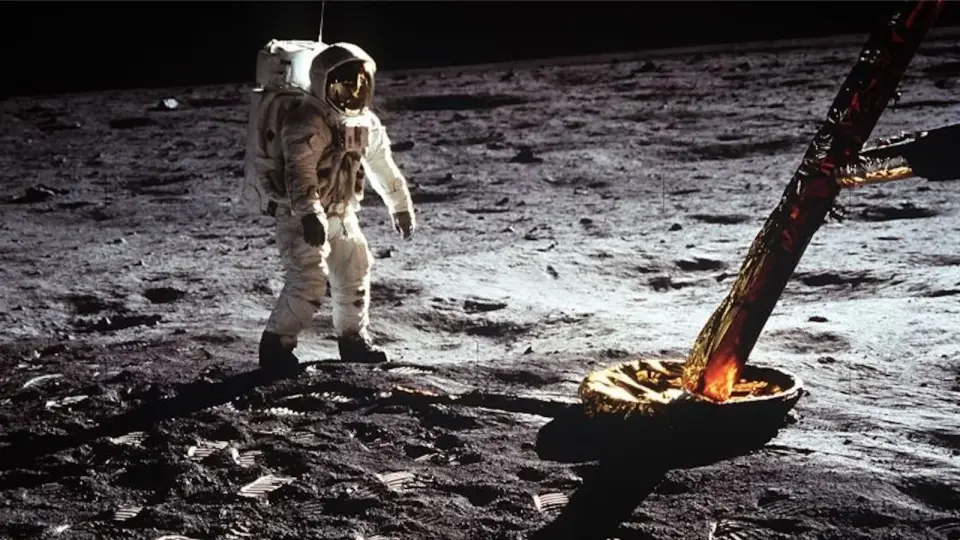
A recent conference in Italy highlighted the urgent need for guidelines to protect lunar heritage sites from increasing spacecraft impacts. Experts noted that 51 hard impacts have occurred on the Moon, including a recent SpaceX Falcon 9 upper stage crash in August 2026. The lack of atmospheric protection means debris can erode historical artifacts, such as the Apollo 11 landing module, through abrasive dust. While current knowledge of impact effects relies heavily on simulations, the growing trend of using the Moon as a disposal site for end-of-mission hardware poses significant risks to both historical sites and future infrastructure.
Key points
- The International Scientific Committee on Aerospace Heritage (ISCAH) met in Pisa, Italy, on September 14, 2026, to develop guidelines for controlled lunar deorbiting.
- A SpaceX Falcon 9 upper stage crashed into the Moon in August 2026, highlighting the tangible operational risks of using the lunar surface for spacecraft disposal.
- Luca Forassiepi noted that limited real-world data exists on impact ejecta, forcing reliance on simplified simulations to understand the effects of collisions.
- Alice Gorman, an archaeologist at Flinders University, emphasized that the Moon's airless environment causes abrasive dust to erode human materials, threatening sites like the Apollo 11 Eagle module.
- Gorman identified 51 hard spacecraft impacts on the Moon to date, including nine rocket bodies and 19 lunar orbiters, marking an inflection point where craters become environmental hazards.
- The 1967 Outer Space Treaty holds nations liable for damage caused by their space hardware, potentially leading to compensation demands if heritage sites are damaged.
Background
Previous coverage in September 2026 discussed the feasibility of lunar settlements, noting that while water ice exists at the poles, sustainable cities face significant resource bottlenecks. This current issue of debris impacts adds another layer of complexity to the 'lunar rush,' as the physical integrity of the Moon's surface is increasingly compromised by both historical missions and modern disposal strategies. The August 2026 partial lunar eclipse and sturgeon moon events also drew public attention to the Moon, though they did not address the specific concerns of heritage preservation raised in the ISCAH meeting.
Why it matters
As commercial and governmental interest in the Moon grows, the lack of standardized protocols for spacecraft disposal risks irreversible damage to historical landmarks and future infrastructure. The potential for legal disputes under the Outer Space Treaty and the erosion of artifacts by abrasive dust underscore the need for immediate regulatory action to balance exploration with preservation.
What to watch
The ISCAH committee is expected to finalize recommendations for controlled lunar deorbiting to minimize impact damage. Space agencies and private companies may need to adopt new end-of-mission strategies to avoid liability for damaging heritage sites. Further research into ejecta modeling is required to move beyond simplified simulations and better understand the real-world effects of lunar impacts.
Want the full story? Read the original reporting
Read on Space