Tag

Apollo 11

All articles tagged with #apollo 11

Laser Light Reaches Moon in 1.3 Seconds, Confirming Orbital Drift
science28 days ago

Laser Light Reaches Moon in 1.3 Seconds, Confirming Orbital Drift

A laser beam takes between 1.21 and 1.35 seconds to travel from Earth to the Moon, depending on the Moon's orbital position. This travel time is derived from the average distance of 238,855 miles and the speed of light. Real-world measurements using retroreflectors left by Apollo missions and Soviet rovers confirm these figures. These experiments also reveal that the Moon is drifting away from Earth by approximately 1.5 inches per year.


Margaret Hamilton, Architect of Apollo’s Critical Software, Dies at 90

Margaret Hamilton, Architect of Apollo’s Critical Software, Dies at 90

Margaret Hamilton, the computer scientist whose priority-driven software prevented a catastrophic failure during the Apollo 11 moon landing, has died at age 90. She was the first woman hired for the Apollo project and is credited with coining the term 'software engineering' to establish it as a distinct professional discipline. Her work at MIT’s Instrumentation Lab led to the development of error-detection systems that allowed the lunar module to land safely despite hardware alarms. Hamilton received the Presidential Medal of Freedom in 2016 and founded multiple software companies after leaving MIT in the 1970s.

Lunar Heritage Crisis: Experts Warn Rocket Debris Threatens Apollo Sites
space1 month ago

Lunar Heritage Crisis: Experts Warn Rocket Debris Threatens Apollo Sites

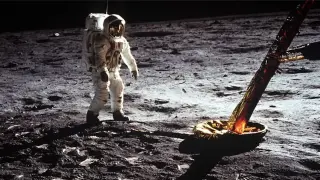
A recent conference in Italy highlighted the urgent need for guidelines to protect lunar heritage sites from increasing spacecraft impacts. Experts noted that 51 hard impacts have occurred on the Moon, including a recent SpaceX Falcon 9 upper stage crash in August 2026. The lack of atmospheric protection means debris can erode historical artifacts, such as the Apollo 11 landing module, through abrasive dust. While current knowledge of impact effects relies heavily on simulations, the growing trend of using the Moon as a disposal site for end-of-mission hardware poses significant risks to both historical sites and future infrastructure.

Apollo 11 Image Highlights Solar Wind Sample Collection on Moon
science2 months ago

Apollo 11 Image Highlights Solar Wind Sample Collection on Moon

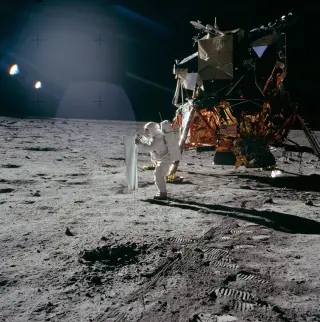
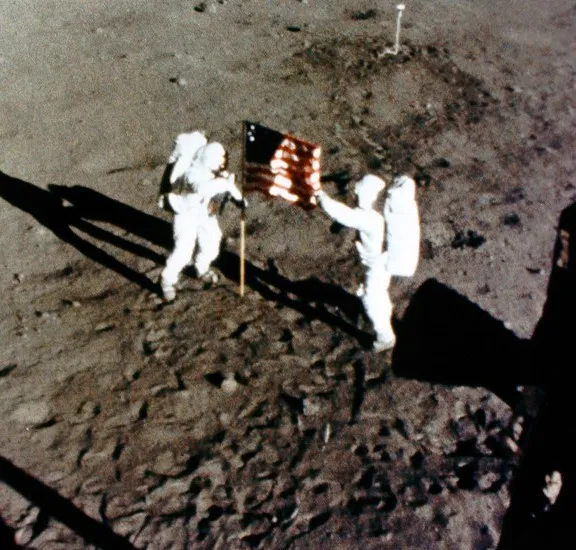
NASA’s Astronomy Picture of the Day features a July 1969 photograph from Apollo 11, showing Buzz Aldrin deploying a foil sheet to capture solar wind particles. The image, taken by Neil Armstrong, documents the Solar Wind Composition Experiment alongside the Eagle lunar module. This historic sample, returned with 22 kilograms of lunar material, provided direct evidence of the Sun’s composition.

Isolation, Not Loneliness: Reframing Michael Collins’s Moon Orbit
science6 months ago

Isolation, Not Loneliness: Reframing Michael Collins’s Moon Orbit

The piece argues that Michael Collins, who was physically isolated behind the Moon for about 47 minutes each orbit, did not feel lonely; it distinguishes isolation (a factual state) from loneliness (a feeling), using Collins’ reflections from Carrying the Fire and his routine in the command module to illustrate the nuance and encourage careful language about solitude in extreme contexts.

A Visual Chronicle of Space Exploration Milestones
science7 months ago

A Visual Chronicle of Space Exploration Milestones

CNN publishes a photo-driven retrospective tracing humanity’s space journey—from Sputnik I’s 1957 launch and Yuri Gagarin’s 1961 orbit to Apollo 11’s lunar landing, early spacewalks, and milestones like the ISS, Voyager probes, the Hubble and James Webb telescopes, and recent lunar missions—showing how each achievement expanded our reach beyond Earth.

Scientists Discover Potential Shelter Cave on the Moon
science-and-space2 years ago

Scientists Discover Potential Shelter Cave on the Moon

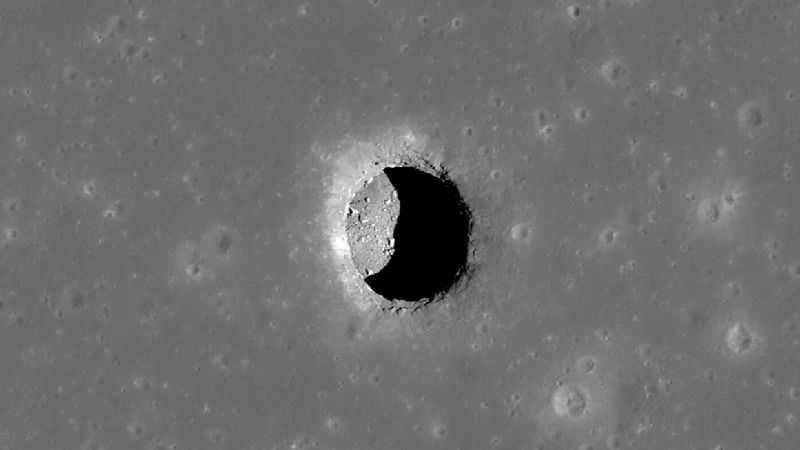
Scientists have confirmed the existence of a lunar cave connected to the moon's deepest known pit, located in Mare Tranquillitatis. This discovery could provide crucial shelter for astronauts from extreme temperatures and radiation, aiding future lunar missions. The cave, detected through radar data from NASA's Lunar Reconnaissance Orbiter, measures at least 45 meters wide and could be part of a larger network of lava tubes. This finding opens new possibilities for long-term human presence on the moon and offers insights into lunar evolution and volcanism.

Celebrating 55 Years Since Apollo 11's Historic Moon Landing
science-and-technology2 years ago

Celebrating 55 Years Since Apollo 11's Historic Moon Landing

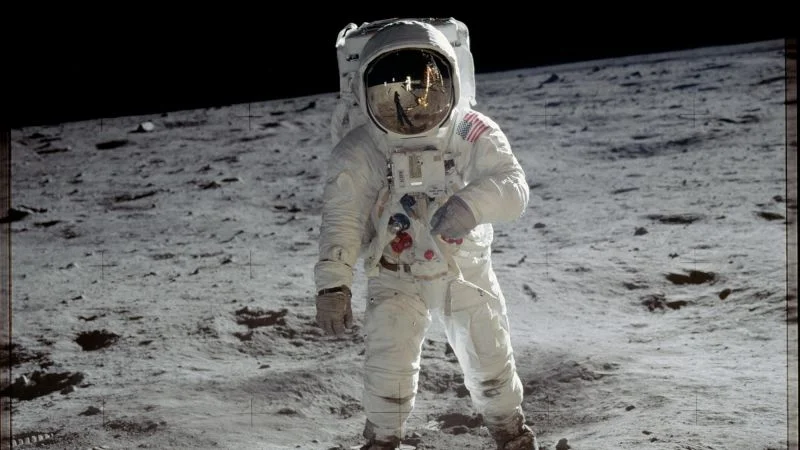
In July 1969, Apollo 11 astronauts Neil Armstrong, Michael Collins, and Buzz Aldrin successfully landed on the Moon, fulfilling President Kennedy's goal. The mission included iconic moments such as Armstrong's first step and the collection of lunar samples, which were analyzed shortly after the crew's return to Earth. The event marked a significant milestone in human space exploration.

Moon Cave Discovery Sparks Hope for Future Astronaut Base
space-exploration2 years ago

Moon Cave Discovery Sparks Hope for Future Astronaut Base

Scientists have confirmed the existence of a sizable cave on the moon near the Apollo 11 landing site, which could potentially house future astronauts. The cave, located at the Sea of Tranquility, was discovered using radar data from NASA's Lunar Reconnaissance Orbiter. Researchers believe there are hundreds of similar pits and lava tubes on the moon that could provide natural shelters, protecting astronauts from cosmic rays, solar radiation, and micrometeorite strikes.

"Moon Cave Discovery Offers Potential Shelter for Future Astronauts"
science-and-technology2 years ago

"Moon Cave Discovery Offers Potential Shelter for Future Astronauts"

Scientists have discovered a sizable underground cave on the moon near the Apollo 11 landing site, which could potentially shelter astronauts on future lunar missions. The cave, located at the Sea of Tranquility, was identified using radar data from NASA's Lunar Reconnaissance Orbiter and is believed to be part of a collapsed lava tube. This discovery opens up possibilities for long-term human exploration and habitation on the moon, although building habitats within these caves would present significant challenges.