
NASA commits to Boeing Starliner as SpaceX signals Crew Dragon retirement by 2030
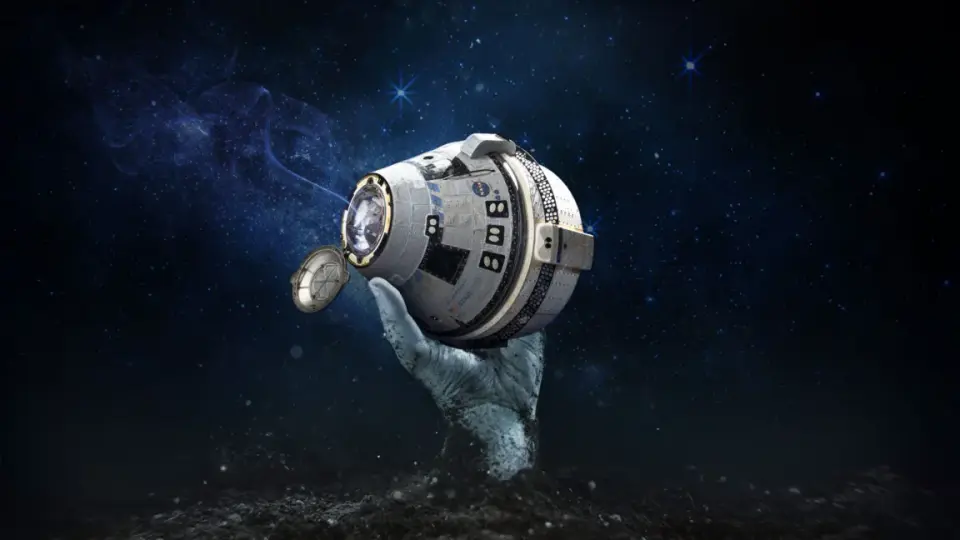
NASA is ordering two additional crewed missions for Boeing’s Starliner and funding fixes for its thruster issues to ensure a backup option after SpaceX plans to retire Crew Dragon by 2030. This move addresses the lack of competition for human spaceflight and supports private space station operators needing reliable transport.
Key points
- NASA will announce orders for two more Starliner crewed missions and provide funding to resolve propulsion system issues.
- SpaceX President Gwynne Shotwell declined to commit to flying Crew Dragon beyond 2030, stating Boeing should utilize its government-funded vehicle.
- NASA is assisting Boeing in certifying Starliner for a new launch vehicle, likely ULA’s Vulcan or Blue Origin’s New Glenn, as the Atlas V retires.
- The decision follows a 2024 'Type A' mishap involving Starliner, which NASA attributed to both hardware flaws and leadership failures.
- Private space station operators previously faced uncertainty regarding crew transportation costs and availability for the 2030s.
Background
This development follows the successful Artemis II lunar flyby and the transition of its commanders to emeritus roles, highlighting NASA’s continued focus on human spaceflight capabilities. It also contrasts with recent SpaceX successes, such as the Roman Space Telescope launch, underscoring the agency’s reliance on commercial partners for crewed missions.
Why it matters
Securing a second crewed spacecraft provider is critical for NASA to maintain access to low-Earth orbit and support the emerging commercial space station market. Without this commitment, the industry faces a potential monopoly by SpaceX, which could lead to higher costs and reduced reliability for future human spaceflight operations.
What to watch
NASA is expected to announce the new Starliner orders within the coming week. A competition for the new launch vehicle is anticipated, with ULA’s Vulcan and Blue Origin’s New Glenn as primary contenders. Blue Origin’s New Glenn could also facilitate dual-payload launches, potentially reducing costs for commercial operators.
Want the full story? Read the original reporting
Read on Ars Technica