
NASA’s DAPHNE Mission Aims to Decode How Earth’s Atmosphere Shapes Space Weather
TL;DR
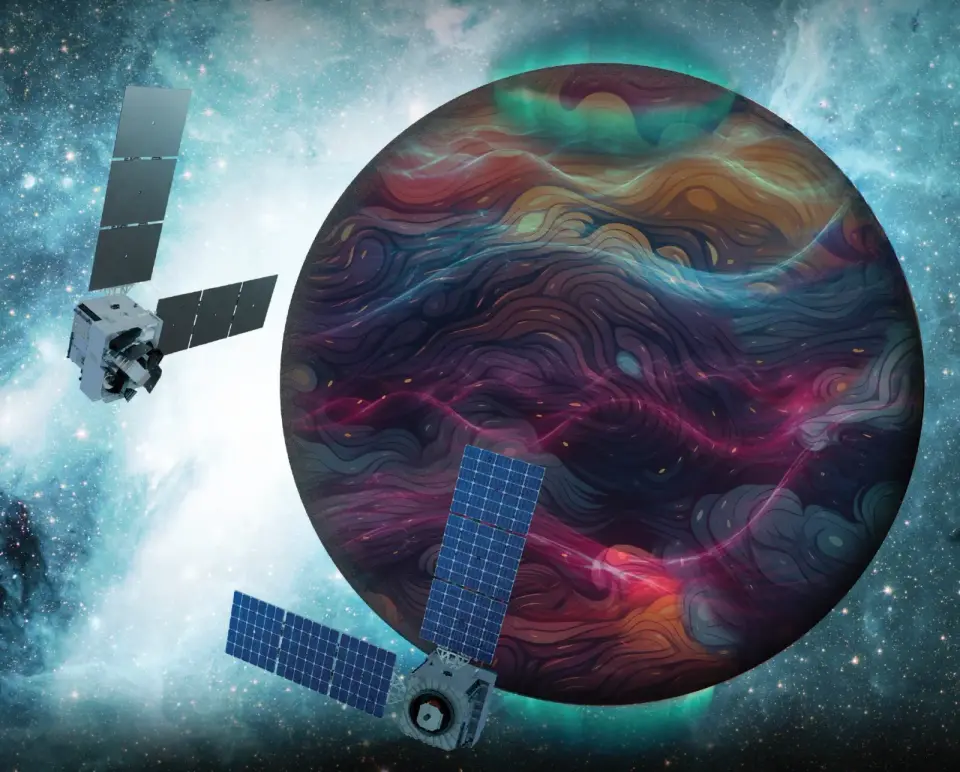
NASA selected the DAPHNE (Dynamic Atmosphere-Ionosphere Explorer) concept for Phase B development to study how processes in Earth’s lower atmosphere influence the upper atmosphere and space weather, with twin satellites measuring neutral winds, temperature, and composition to improve predictions for GPS, low-Earth orbit satellites, and astronauts. Led by Aimee Merkel of the University of Colorado Boulder, the mission faces a 2027 confirmation review, a launch no earlier than 2029, and a cost cap of $250 million (FY2023 dollars), managed by NASA’s Goddard Space Flight Center under the Solar Terrestrial Probes program.
- NASA Mission to Study Space Weather Impacts of Earth’s Atmosphere NASA (.gov)
- NASA selects mission to study space weather interaction with Earth’s atmosphere SpaceNews
- NASA selects LASP mission to study how Earth and space weather connect University of Colorado Boulder
- NASA selects DAPHNE mission to improve space weather forecasting Innovation News Network
- NASA selects DAPHNE mission concept to study space weather impacts on Earth’s atmosphere space & defense
Want the full story? Read the original reporting
Read on NASA (.gov)