
Astranis Unveils 'Perceptor' Satellites to Close Surveillance Gaps in Geostationary Orbit
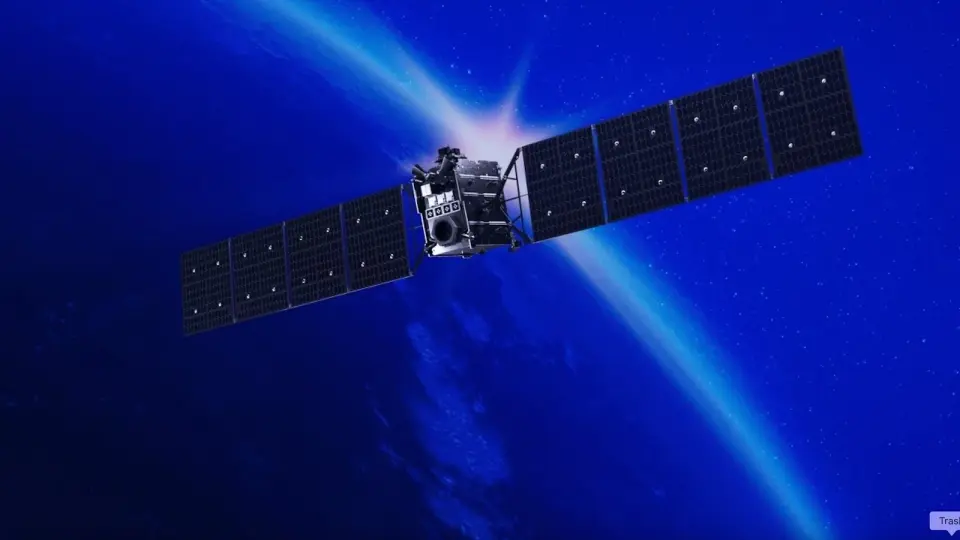
San Francisco-based company Astranis has announced the development of a new line of spacecraft called Perceptor, designed to monitor activity in geostationary orbit (GEO). The probes aim to address security blind spots in this high-altitude region, which is increasingly used for reconnaissance and strategic operations. Built on Astranis' existing MicroGEO platform, these satellites will help the U.S. government and other clients track potential threats and maintain situational awareness in a crowded orbital environment.
Key points
- Astranis is developing the Perceptor spacecraft to monitor satellite activity in geostationary orbit, located approximately 22,236 miles above Earth.
- The new satellites are based on the company's MicroGEO platform, which is smaller than typical GEO spacecraft and allows for scalable production.
- CEO John Gedmark stated that current detection capabilities for threats in high orbits are insufficient, creating blind spots that could be exploited by adversaries.
- Astranis currently operates five satellites in GEO that support U.S. military operations, connectivity, and GPS capabilities.
- The Perceptor line is intended to meet increasing demand for security and situational awareness in the geostationary belt.
Background
This development follows a trend of private companies expanding their roles in orbital infrastructure and security. In July 2026, Katalyst Space Technologies launched the LINK mission to rescue NASA's Swift telescope, marking a potential first private capture of a U.S. government satellite. Additionally, recent approvals for space-based lighting projects, such as Reflect Orbital's Earendil-1, have highlighted growing concerns about the impact of new orbital technologies on safety and astronomy, underscoring the need for better monitoring and regulation in space.
Why it matters
As geostationary orbit becomes a critical arena for strategic and commercial interests, the ability to detect and respond to threats is essential. Astranis' Perceptor satellites aim to fill a gap in surveillance capabilities, ensuring that the U.S. and its allies can maintain security and operational integrity in a crowded and increasingly contested orbital environment.
What to watch
Astranis plans to leverage its existing expertise and MicroGEO platform to produce Perceptor satellites at scale. The company expects to serve the U.S. government and other potential customers, enhancing their ability to monitor and respond to emerging threats in geostationary orbit.
Want the full story? Read the original reporting
Read on Space