
SN 1987A: Neutrinos Arrived First, Lighting Up a New Field
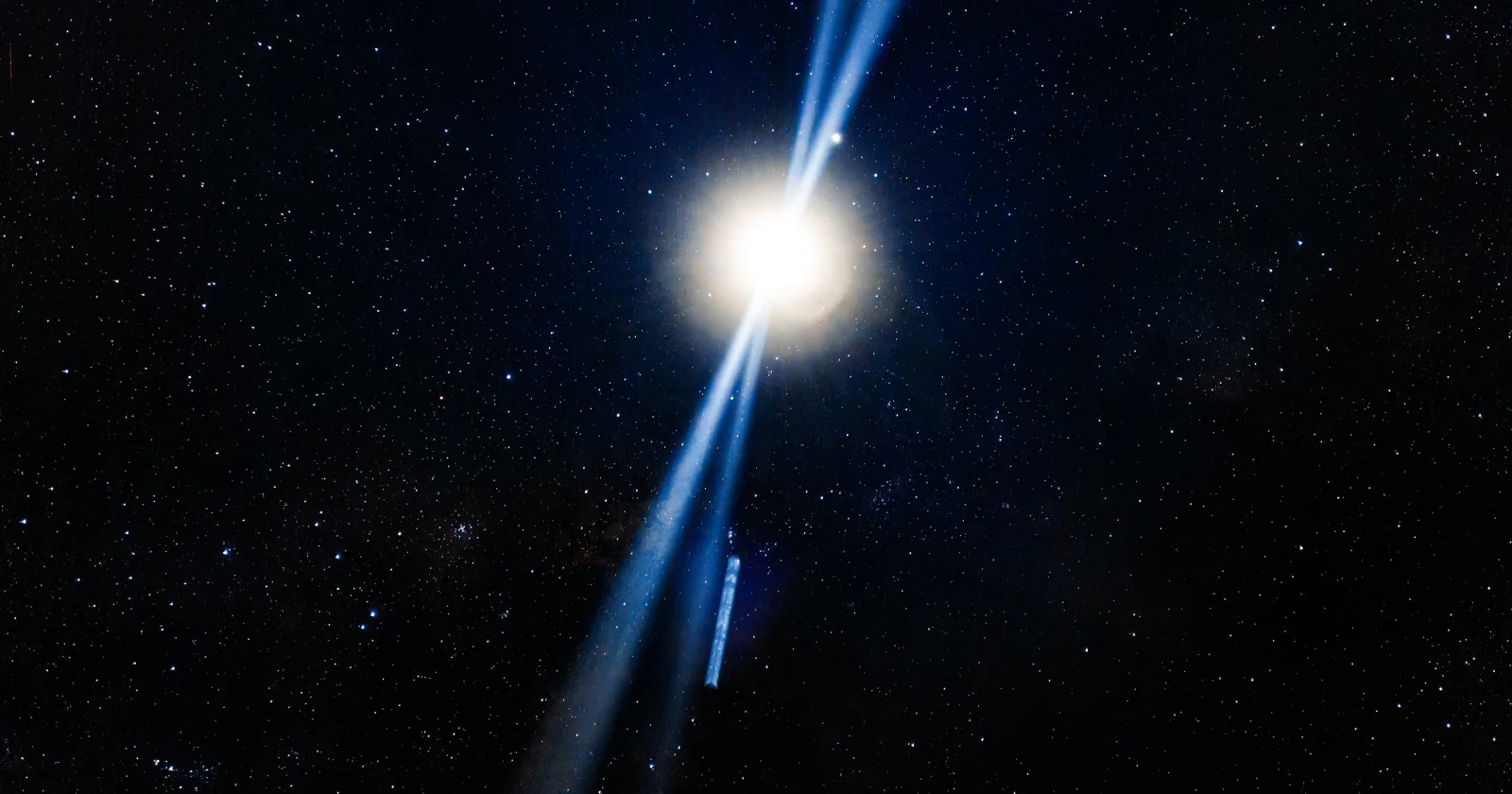
In SN 1987A, the exploding star in the Large Magellanic Cloud, detectors buried underground recorded about two dozen neutrinos arriving roughly three hours before the first photons reached Earth. The burst, observed by Kamiokande-II, IMB, and Baksan (with a contested earlier Mont Blanc signal), confirmed that core-collapse supernovae emit most of their energy as neutrinos and marked the birth of neutrino astronomy. The optical light lag varied by a couple of hours depending on when light is counted, and later Webb telescope work provided strong evidence for a newly formed neutron star at the remnant. For a future Galactic supernova, detectors would collect thousands of neutrino events, underscoring SN 1987A as a foundational multi-messenger milestone.
Reading Insights
0
44
11 min
vs 12 min read
95%
2,264 → 115 words
Want the full story? Read the original article
Read on Space Daily