
SpaceX clears final hurdle for Starship's historic orbital launch on Sept. 28
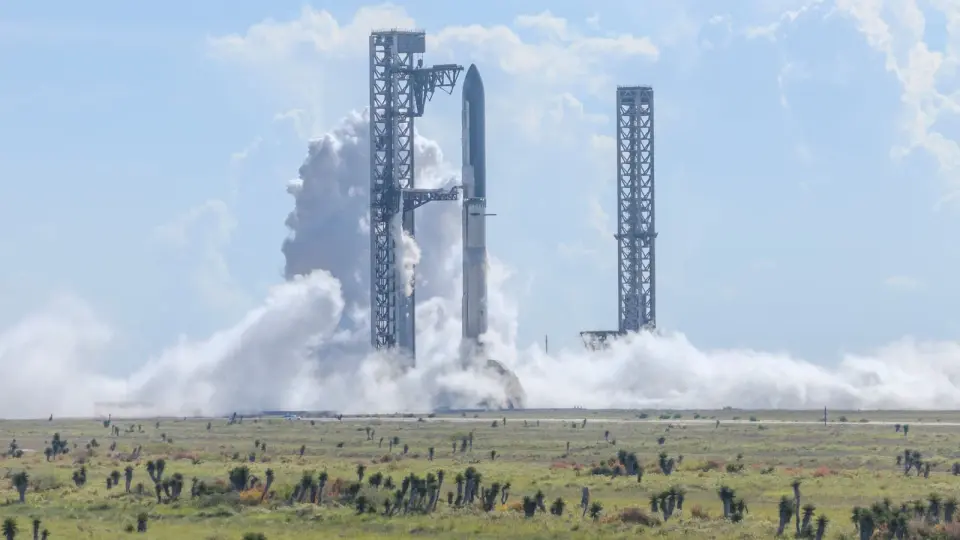
SpaceX has successfully completed a wet dress rehearsal for Starship Flight 14, clearing the final technical hurdle for the vehicle's first orbital launch. The 407-foot rocket is scheduled to launch on September 28 from Starbase, Texas, pending final regulatory approval from the FAA. This mission will mark the first time the upper stage, Ship 41, reaches orbit, where it will deploy 26 operational Starlink V3 satellites before splashing down in the Pacific Ocean.
Key points
- SpaceX completed a wet dress rehearsal on September 24, confirming the vehicle is technically ready for launch.
- The launch is targeted for September 28, contingent on final approval from the Federal Aviation Administration (FAA).
- Flight 14 will be the first orbital test, with the upper stage reaching an altitude of 275 kilometers.
- The mission involves deploying 26 operational Starlink V3 satellites, adding 26 terabits per second of capacity.
- The upper stage will orbit Earth six times over 10 hours before splashing down in the Pacific Ocean off Chile.
Background
Starship debuted in April 2023, with its first 13 flights following suborbital trajectories. The September 28 launch represents a critical transition from suborbital testing to orbital capability, a milestone necessary for demonstrating full reusability and commercial viability. Previous flights targeted splashdowns in the Indian Ocean, but Flight 14 introduces a new Pacific Ocean landing zone.
How outlets are covering it
Space.com and Spaceflight Now emphasize the successful completion of the wet dress rehearsal and the pending FAA approval as the primary gating factors. Gizmodo highlights the technical improvements made to the Super Heavy booster and heat shield based on Flight 13 data, noting the risk of engine clogging. Yahoo Finance focuses on the commercial implications, specifically the deployment of 26 operational Starlink V3 satellites, which will add significant bandwidth to the constellation. All sources agree that the launch window opens at 8:15 a.m. ET on September 28.
Why it matters
A successful orbital launch would transform Starship from a suborbital test vehicle into a functional orbital launch system. It validates the rocket's ability to carry cargo to space and is a prerequisite for future goals, including in-orbit refueling, expanded Starlink deployment, and eventual missions to the Moon and Mars.
What to watch
SpaceX awaits final FAA approval to proceed with the launch on September 28. If approved, the Super Heavy booster will attempt a controlled splashdown in the Gulf of Mexico, while the upper stage will deploy satellites and later splash down in the Pacific. Success would pave the way for further orbital tests and commercial operations.
- SpaceX's Starship megarocket aces launch rehearsal ahead of 1st orbital test flight (video) Space
- SpaceX Starship Flight 14 live updates: Pre-launch wet dress rehearsal underway Space
- SpaceX stack Starship and Super Heavy for first orbital flight Spaceflight Now
- Starship Is About to Attempt Something It’s Never Done in 13 Flights Gizmodo
- Elon Musk Says 'First Starship Launch to Orbit' Will Carry Starlink V3 Satellites in 7 Days finance.yahoo.com
Want the full story? Read the original reporting
Read on Space