
SpaceX Prepares for Historic Starship Orbital Debut on Sept. 28
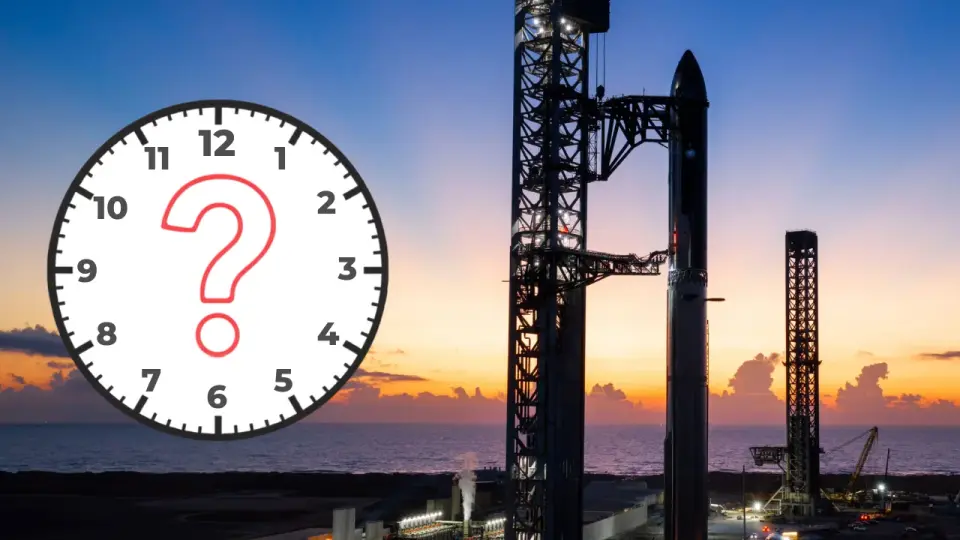
SpaceX is set to launch its Starship Flight 14 on September 28, marking the vehicle's first orbital test. The mission aims to deploy 26 Starlink V3 satellites and achieve a controlled splashdown, a critical step for future NASA Artemis missions and the transition from Falcon 9.
Key points
- Launch is scheduled for 8:15 a.m. EDT on Sept. 28 from Starbase, Texas, pending FAA approval.
- The 124-meter rocket will orbit Earth six times over 10 hours before splashing down in the Pacific.
- The upper stage, Ship 41, will deploy 26 next-generation Starlink V3 satellites.
- SpaceX implemented hardware and software changes to the Super Heavy booster to ensure reliable engine relights.
- The mission includes the first reuse of heatshield tiles recovered from the previous test flight.
Background
This launch follows a six-day delay from an earlier September 22 target. Recent archive coverage highlights that SpaceX completed a wet dress rehearsal on September 25, clearing the final technical hurdle. The mission is part of a broader strategy to replace Falcon 9 with Starship, which offers significantly higher payload capacity.
How outlets are covering it
Space.com emphasizes the logistical details of the launch window and viewing options. Spaceflight Now focuses on the stacking process and regulatory approvals, noting the temporary flight restrictions. Futurism highlights the technical challenges, such as engine reliability and heatshield reuse, and frames the launch as a critical milestone for NASA's Artemis 3 mission and the commercial viability of Starship.
Why it matters
Success of Flight 14 is essential for SpaceX to achieve regular orbital launches, fulfill NASA's Artemis 3 requirements, and transition from Falcon 9 to Starship, which promises ten times the satellite delivery capacity.
What to watch
SpaceX awaits final FAA approval for the September 28 launch. If successful, the mission will validate orbital capabilities and satellite deployment, paving the way for future Artemis missions and increased Starlink capacity.
- What time will SpaceX's Starship Flight 14 orbital test launch on Sept. 28? (Full mission timeline) Space
- SpaceX’s Starship Rocket Is Heading To Orbit–With A Lot On The Line Forbes
- SpaceX’s Starship Ushers In an Era of More Junk in Orbit bloomberg.com
- SpaceX stack Starship and Super Heavy for first orbital flight Spaceflight Now
- SpaceX Preparing for Most Important Launch in Company History on Monday Futurism
Want the full story? Read the original reporting
Read on Space