
SpaceX Starship Flight 14 Achieves First Orbital Insertion, Deploys 26 Starlink V3 Satellites
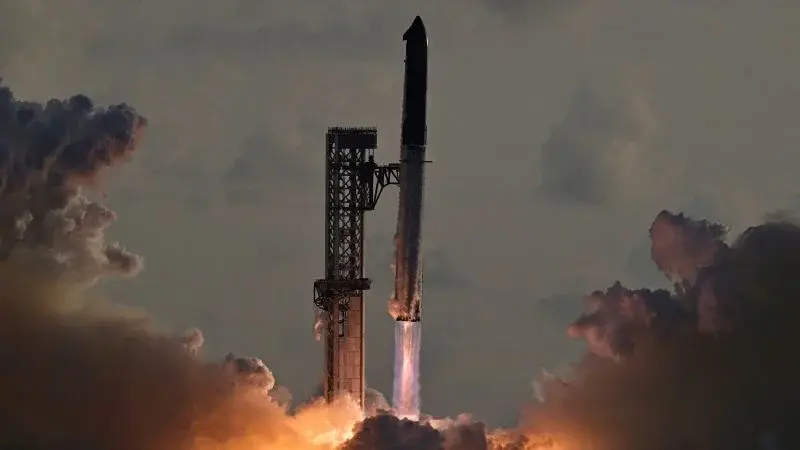
SpaceX successfully launched its Starship rocket into orbit for the first time on September 28, 2026, deploying 26 Starlink V3 satellites. Despite engine issues, the vehicle reached orbit and began reentry, marking a historic milestone 18 years after Falcon 1's first orbital flight.
Key points
- Starship Flight 14 launched from Starbase, Texas, on September 28, 2026, achieving the first orbital insertion in the program's history.
- The mission deployed 26 Starlink V3 satellites, the first operational satellites launched by Starship, with three modified to image the heat shield.
- The Super Heavy booster experienced engine relight issues, and the upper stage had an engine outage, but SpaceX proceeded with the orbital insertion burn.
- SpaceX opted to end the mission early after three hours, rather than the planned 10 hours, to ensure a safe reentry and splashdown in the Pacific.
- The flight coincided with the 18th anniversary of Falcon 1's first orbital launch, highlighting SpaceX's progress from suborbital tests to orbital operations.
Background
Previous Starship flights were suborbital, with Flight 14 being the first attempt to reach orbit. The mission was critical for validating reusability and orbital capabilities, with FAA approval granted on September 26. SpaceX has been shifting focus toward AI and data centers, with Musk stating AI could dominate SpaceX's value within four to five years.
How outlets are covering it
CNN emphasized the historic nature of the orbital insertion and the deployment of Starlink V3 satellites, while also noting SpaceX's shift toward AI. Spaceflight Now focused on the technical details of the launch, including the use of Booster 21 and Ship 41, and the planned deployment sequence. Space.com provided live updates on the reentry process, highlighting the heat shield and plasma temperatures. All sources agreed on the success of the orbital insertion but differed in emphasis, with CNN and Space.com focusing on the broader implications and Spaceflight Now on the technical specifics.
Why it matters
This mission marks a significant step for SpaceX, transitioning Starship from suborbital testing to orbital operations. The successful deployment of Starlink V3 satellites could accelerate SpaceX's satellite internet business and support its AI and national security projects, such as Starshield. The flight also highlights the challenges of reentry and reusability, which are critical for future missions to the Moon and Mars.
What to watch
SpaceX will analyze the data from the heat shield imaging and engine performance to improve future missions. The company may attempt to catch the next Starship upper stage during Flight 15. Additionally, SpaceX will continue to develop its AI and data center projects, with Musk expecting AI to dominate SpaceX's value within four to five years.
- Live updates: Unprecedented test flight of SpaceX’s Starship will aim for orbit CNN
- SpaceX launches Starship rocket on first orbital flight Axios
- SpaceX launches Starship on 10-hour test flight, aiming to orbit Earth 6 times Fox Business
- Live coverage: SpaceX to launch first Starlink V3 satellites to orbit on Starship Spaceflight Now
- SpaceX Starship Flight 14 live updates: Launch countdown underway Space
Want the full story? Read the original reporting
Read on CNN