
SpaceX Starship Flight 14 Targets First Orbital Launch and Satellite Deployment on Sept. 28
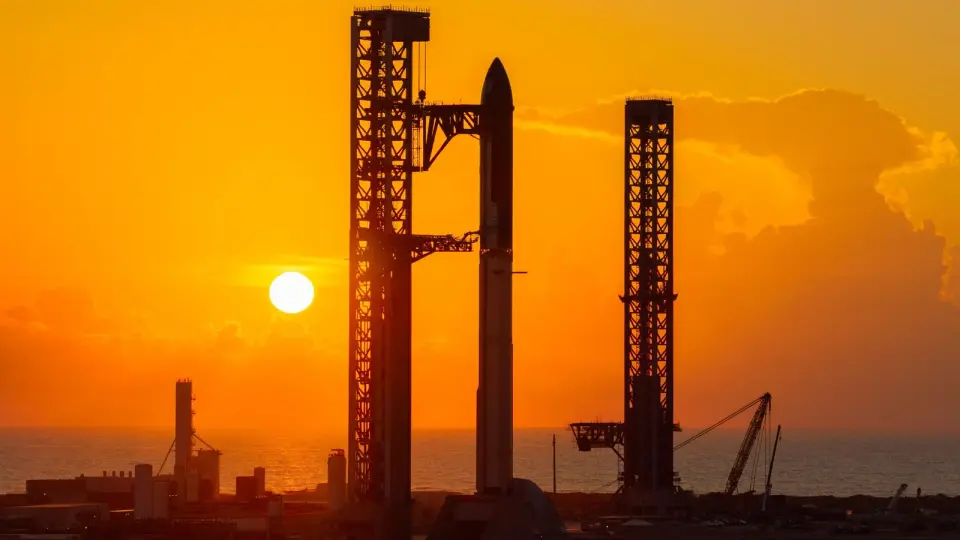
SpaceX is set to launch Starship Flight 14 on September 28, marking the vehicle's first attempt to reach orbit. The 407-foot rocket will deploy 26 operational Starlink V3 satellites and complete six Earth orbits over approximately 10 hours before splashing down in the Pacific Ocean. This mission transitions Starship from suborbital testing to orbital operations, with SpaceX monitoring systems closely to ensure safe reentry and avoid debris risks over populated areas.
Key points
- Liftoff is scheduled for September 28 at 8:15 a.m. EDT from Starbase, Texas, within a 75-minute window.
- The mission will deploy 26 operational Starlink V3 satellites, including three equipped with cameras to monitor the heat shield.
- Starship will orbit Earth six times at an altitude of 170 miles, well below the International Space Station.
- The upper stage will splash down in the Pacific Ocean off Chile, while the booster will land in the Gulf of Mexico.
- SpaceX may abort the orbital burn if early flight data indicates malfunctions, prioritizing safety over mission completion.
Background
This follows a series of suborbital test flights since 2023, with Flight 14 being the 14th overall. Recent delays pushed the orbital debut from September 22 to September 28. SpaceX has been refining the vehicle's heat shield and engine relight capabilities, with the Super Heavy booster previously struggling to relight all engines during its July test. The company has also been expanding its launch infrastructure, including plans for a new complex in Louisiana.
How outlets are covering it
Space.com and Mashable emphasize the historic nature of the first orbital flight and the live viewing opportunities, highlighting the 10-hour duration and six orbits. CNN focuses on the risks and stakes, noting that orbital flight removes the 'passively safe' suborbital trajectory, increasing the potential for debris if control is lost. CNN also highlights the broader industry implications, including the transition from Falcon 9 to Starship and the potential for orbital data centers. Yahoo Finance, while largely obscured by technical code, hints at the revenue implications of deploying operational Starlink V3 satellites, which could generate income for SpaceX's internet business. All sources agree on the launch date, time, and the deployment of 26 satellites, but differ in their emphasis on risk, industry impact, and commercial viability.
Why it matters
A successful orbital launch would mark a pivotal step for SpaceX, transitioning Starship from testing to operational use. It would validate the vehicle's reusability and heat shield capabilities, crucial for future NASA Artemis moon missions and Musk's Mars colonization plans. The deployment of operational Starlink V3 satellites could significantly boost SpaceX's internet business, while the success or failure of the mission will influence the broader space industry's reliance on Starship versus other launch vehicles.
What to watch
SpaceX will monitor the flight closely, with the option to abort the orbital burn if any malfunctions are detected. The company will assess the heat shield's performance and the satellite deployment. If successful, Starship may begin regular orbital operations, potentially leading to increased launch cadence and the development of new launch sites. The outcome will also inform future missions, including NASA's Artemis program and potential commercial payloads.
- SpaceX's Starship megarocket launching to orbit for 1st time ever on Sept. 28: Watch it live Space
- The most powerful rocket ever built is on the verge of its biggest — and riskiest — test yet CNN
- SpaceX’s Starship Rocket Is Heading To Orbit–With A Lot On The Line Forbes
- SpaceX's Starship is about to attempt a 10-hour spaceflight: Watch live. Mashable
- SpaceX's Next Starship Launch Will Generate Revenue -- Sort Of Yahoo Finance
Want the full story? Read the original reporting
Read on Space