
Starship Flight 14 clears final checks, targets Sept. 28 orbital debut
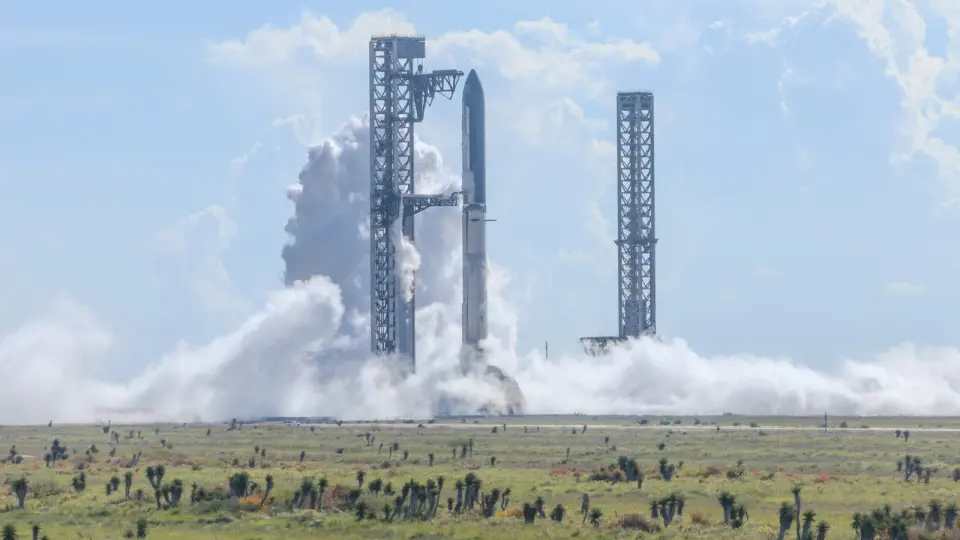
SpaceX has completed a successful wet dress rehearsal for Starship Flight 14, clearing the path for its first orbital test on September 28. The mission will deploy 26 next-generation Starlink V3 satellites and mark a major milestone after years of suborbital testing.
Key points
- SpaceX confirmed the wet dress rehearsal for Starship Flight 14 was successful, validating fuel lines, software, and ground communications.
- The launch is scheduled for September 28, with a 75-minute window opening at 8:15 a.m. Eastern Time.
- The mission will be Starship's first orbital flight, involving six orbits over 10 hours before re-entry and ocean splashdown.
- The upper stage will deploy 26 Starlink V3 satellites, the first next-generation models added to the constellation.
- The vehicle, consisting of Ship 41 and Booster 21, is stacked at Starbase in Texas, pending final FAA regulatory approval.
Background
Starship has previously conducted multiple suborbital tests, but Flight 14 represents the first attempt to reach orbit. Earlier target dates, including September 22, slipped due to technical and regulatory hurdles. The mission aims to test orbital capability and booster recovery, paving the way for future milestones like in-orbit refueling and expanded Starlink deployment.
How outlets are covering it
Engadget emphasizes the successful wet dress rehearsal as a key milestone, confirming the vehicle's readiness for the orbital test. Space.com highlights the successful stacking of the 124-meter-tall rocket and the pending FAA approval, noting the temporary flight restriction in place. Spaceflight Now provides technical details on the stacking process and the mission's timeline, emphasizing the deployment of 26 Starlink V3 satellites. All sources agree on the September 28 target date and the significance of the first orbital flight.
Why it matters
A successful orbital flight would mark a major step for SpaceX's reusable launch system, enabling more frequent and cost-effective satellite deployments. The deployment of Starlink V3 satellites, with enhanced downlink and uplink capabilities, could significantly improve global internet coverage and performance.
What to watch
SpaceX awaits final FAA approval for the September 28 launch. If approved, the vehicle will attempt its first orbital flight, deploying 26 Starlink V3 satellites and testing booster recovery in the Gulf of Mexico. The outcome will determine the next steps for Starship's development and Starlink's expansion.
- SpaceX Starship's First Orbital Flight Test On Track After Successful Launch Rehearsal engadget.com
- SpaceX's Starship megarocket aces launch rehearsal ahead of 1st orbital test flight (video) Space
- SpaceX Preps For 'Milestone' Starship Flight 14; NASA Updates ISS Mission Timing Investor's Business Daily
- SpaceX stack Starship and Super Heavy for first orbital flight Spaceflight Now
- SpaceX’s Starship Ushers In an Era of More Junk in Orbit Bloomberg.com
Want the full story? Read the original reporting
Read on engadget.com