
Titan’s radar magic islands may be fizzing nitrogen bubbles in methane seas
TL;DR
Cassini radar spotted transient bright patches in Titan’s northern seas, nicknamed magic islands, but their nature remains uncertain. Laboratory experiments show nitrogen can dissolve in cold methane-ethane liquids and exsolve as gas bubbles when conditions shift (warming, pressure drop, or mixing), potentially creating radar-bright plumes that mimic islands. Other explanations like waves or floating solids remain plausible; resolving the events may require future missions or direct measurements of Titan’s seas.
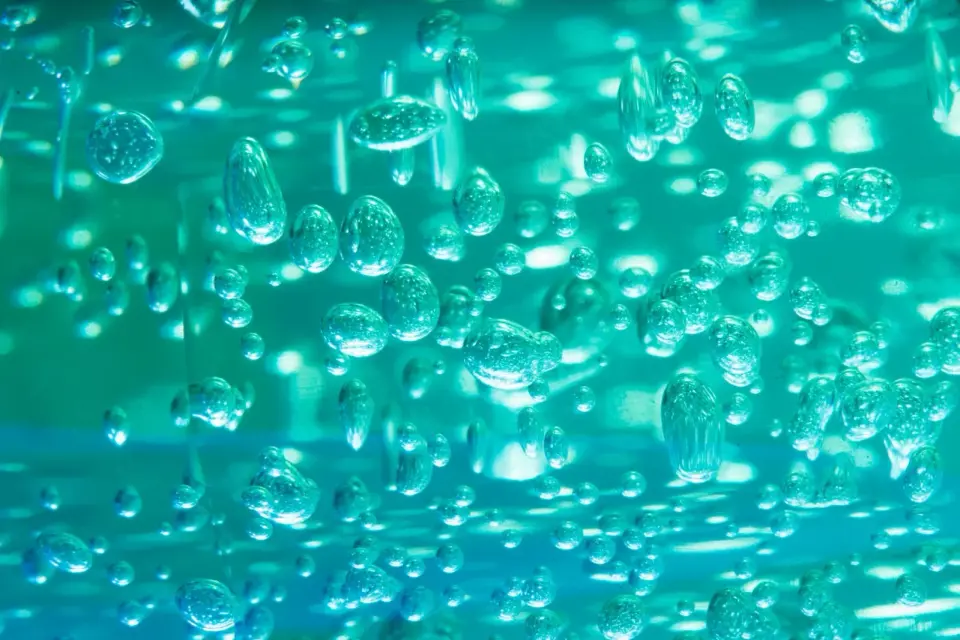
- Cassini watched bright “islands” appear, disappear and reappear in Titan’s methane seas — and laboratory experiments suggest they may be fields of nitrogen bubbles fizzing out of solution as the alien lakes warm or mix Space Daily
- Saturn's moon Titan runs the same weather cycle as Earth — clouds, rain, rivers and seas — except the liquid doing all the work is methane, and the bedrock underfoot is water frozen at nearly minus 180 degrees, harder than most stone on Earth Space Daily
- Saturn’s Largest Moon May Hold the Resources for a Space Colony SciTechDaily
- Titan could be humanity’s next deep space destination A News
- Even at noon Titan sits in permanent dusk: distance and thick haze together leave barely a thousandth of Earth's sunlight at the surface — about as dim as Earth ten minutes after sunset, a golden gloom that never lifts Space Daily
Want the full story? Read the original reporting
Read on Space Daily