
Voyager 1 Survives on Kilobytes: Redundancy Keeps a 1970s Spacecraft Alive
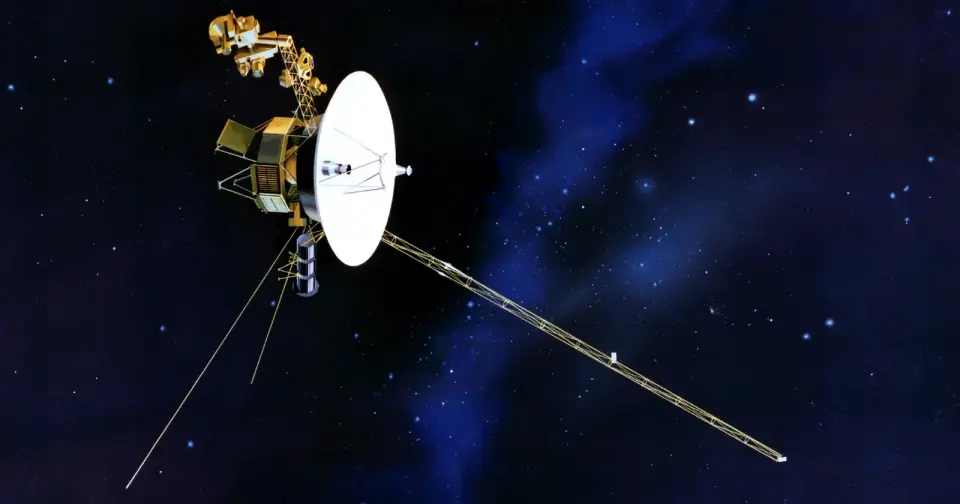
Voyager 1, launched in 1977, still runs on three main computer systems with about 69.63 KB of memory each and continues to receive and execute Earth commands nearly five decades later. The mission’s built‑in redundancy—across the Computer Command Subsystem, Flight Data Subsystem, and Attitude and Articulation Control Subsystem—along with flexible software allowed engineers in 2024 to reroute around a damaged memory chip after a memory corruption event, masking the fault by relocating code to unused memory. Despite aging hardware and the vast 24+ billion-kilometer distance, the craft demonstrates how carefully designed, low-power systems can outlive their original lifespans through redundancy and adaptable software.
- When Voyager 1 launched in 1977, each of its main computer systems had less than 70 kilobytes of memory — smaller than a typical phone photo — and that 1970s hardware is still carrying out commands from Earth nearly five decades later Space Daily
- Voyager's signal now reaches Earth as a whisper measured in fractions of a billionth of a watt, fainter than almost anything our antennas were built to hear Space Daily
- Voyager 1 Has Traveled Through Space at 38,000 Mph Since 1977 And Still Hasn't Reached 1 Light-Day ScienceAlert
- Voyager Spacecraft: The Ultimate Power Management Challenge? EE Times
- One Light-Day Away: Voyager's Epic Voyage Rediff
Want the full story? Read the original reporting
Read on Space Daily