Tag

Deep Space

All articles tagged with #deep space

Voyager 1 Survives on Kilobytes: Redundancy Keeps a 1970s Spacecraft Alive
space19 days ago

Voyager 1 Survives on Kilobytes: Redundancy Keeps a 1970s Spacecraft Alive

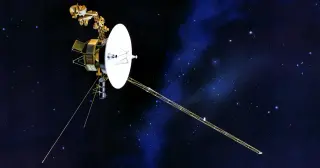
Voyager 1, launched in 1977, still runs on three main computer systems with about 69.63 KB of memory each and continues to receive and execute Earth commands nearly five decades later. The mission’s built‑in redundancy—across the Computer Command Subsystem, Flight Data Subsystem, and Attitude and Articulation Control Subsystem—along with flexible software allowed engineers in 2024 to reroute around a damaged memory chip after a memory corruption event, masking the fault by relocating code to unused memory. Despite aging hardware and the vast 24+ billion-kilometer distance, the craft demonstrates how carefully designed, low-power systems can outlive their original lifespans through redundancy and adaptable software.

China’s Chi Engine Demonstrates Oxygen-Rich, Reusable Deep-Space Propulsion
space-and-spaceflight2 months ago

China’s Chi Engine Demonstrates Oxygen-Rich, Reusable Deep-Space Propulsion

Chinese private Mega Engine tested its Chi oxygen-rich closed-cycle kerosene-LOX engine for 1,000 seconds across multiple long-duration tests, showing rapid startup, stable operation, restart capability, and thrust from roughly 35–75 tons at sea level (about 87 tons in vacuum); the engine is designed for high-altitude propulsion on medium/large rockets and supports a plan for a more powerful 200-ton Yan engine for heavy-lift applications.

Space medical scare could redefine long-duration missions
science2 months ago

Space medical scare could redefine long-duration missions

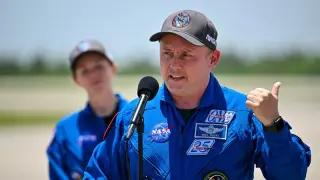
NASA astronaut Mike Fincke experienced a sudden speech disturbance aboard the ISS and returned to Earth early on the SpaceX Crew-11 mission. While no formal diagnosis was disclosed, NASA and space medicine experts say the incident highlights how weightlessness and radiation pose complex health risks that may affect future deep-space missions. As agencies plan longer journeys to the Moon and Mars, there is growing emphasis on onboard medical capabilities, Earth‑linked support, and emerging tools like organ chips to monitor and tailor care for astronauts on extended missions.

Artemis II crew signals a new era of diverse lunar exploration
space4 months ago

Artemis II crew signals a new era of diverse lunar exploration

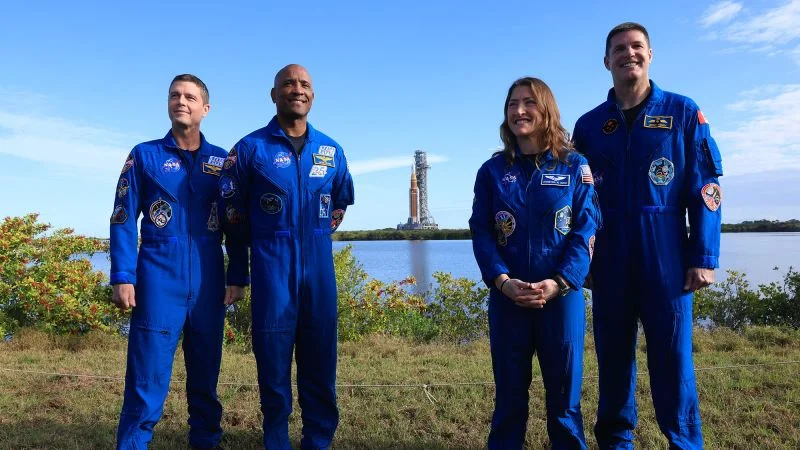
NASA unveils the Artemis II crew — Reid Wiseman (commander), Victor Glover (pilot), Christina Koch (mission specialist) and Jeremy Hansen (CSA mission specialist) — making history with the first woman, first person of color, and first Canadian to head a lunar mission. The roughly 10‑day, 600,000‑mile flight will circumnavigate the Moon aboard Orion/SLS, testing deep‑space capabilities, amid radiation exposure and possible communications blackouts, as NASA gears toward Artemis III and broader journeys to Mars.

Scientists Uncover Hot Anomaly in Early Universe
science6 months ago

Scientists Uncover Hot Anomaly in Early Universe

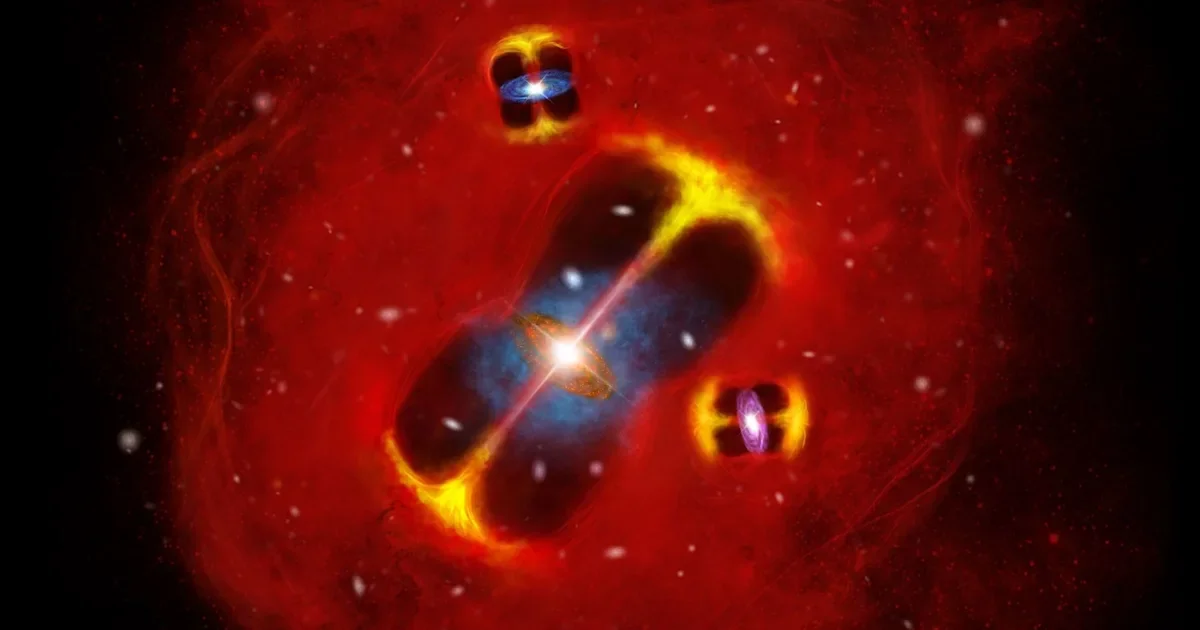
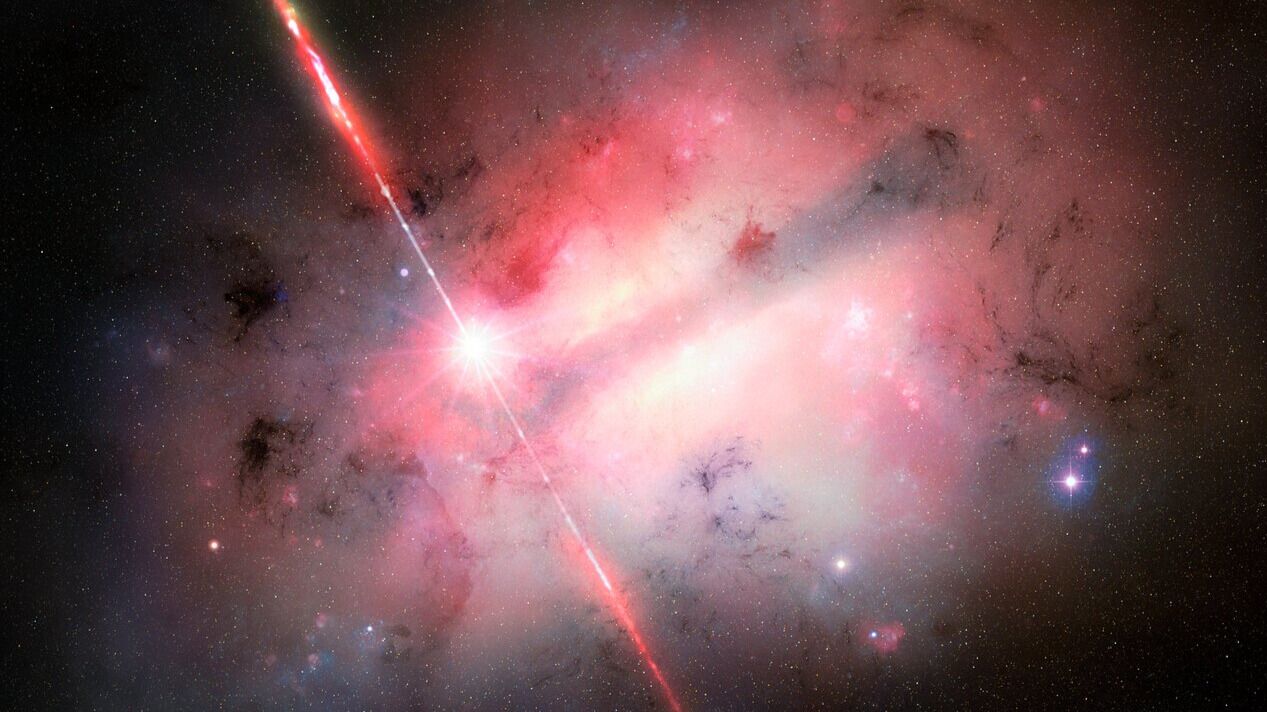
Scientists discovered an extremely hot and old galaxy cluster from just 1.4 billion years after the Big Bang, which challenges current cosmological theories. The cluster's unexpected heat is likely due to energy from supermassive black holes at its core, suggesting galaxy clusters evolve more explosively than previously thought, potentially reshaping our understanding of the early universe.

James Webb Telescope Reveals Stunning Cosmic Phenomena and Validates Einstein's Theories
science9 months ago

James Webb Telescope Reveals Stunning Cosmic Phenomena and Validates Einstein's Theories

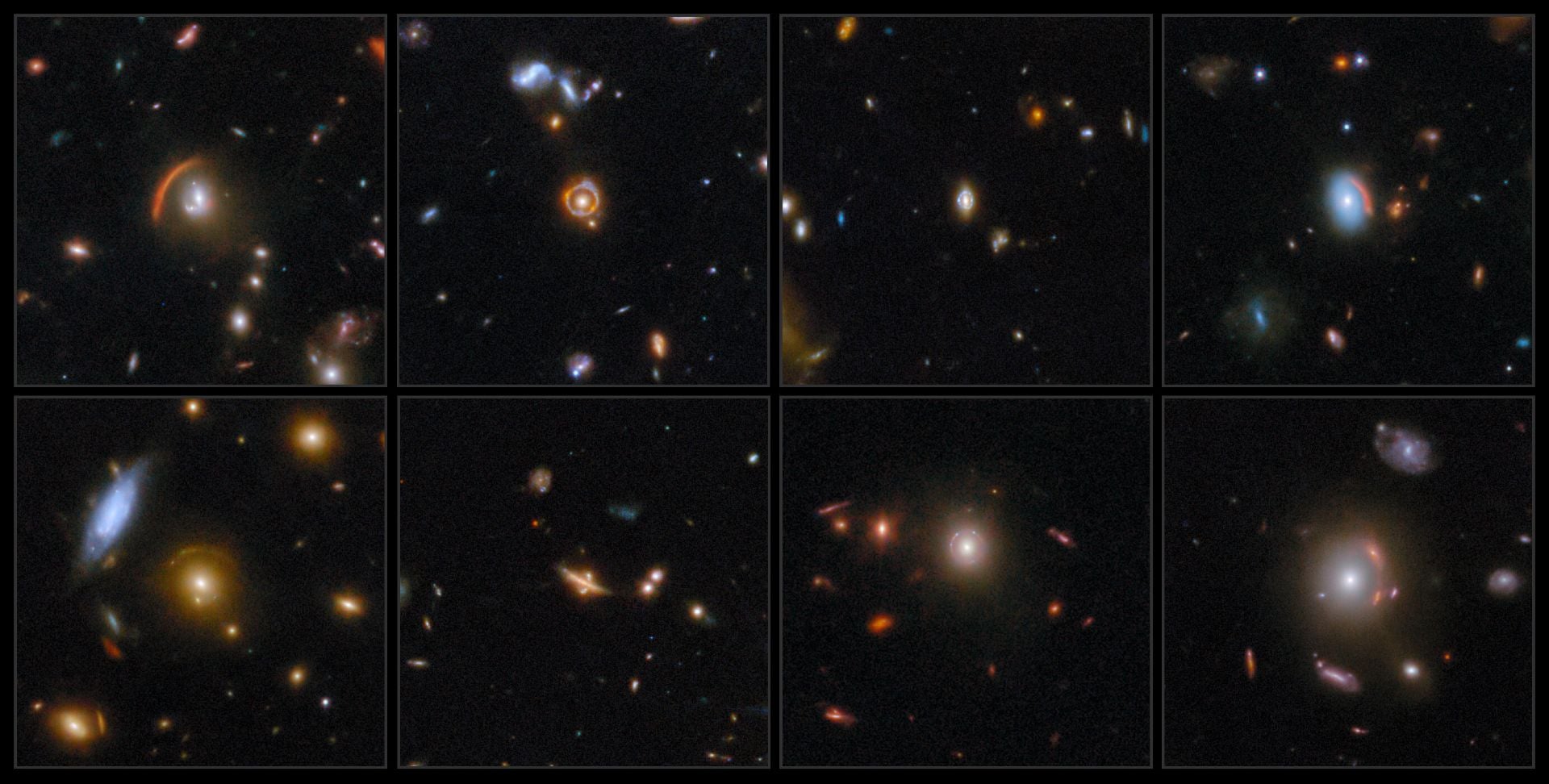
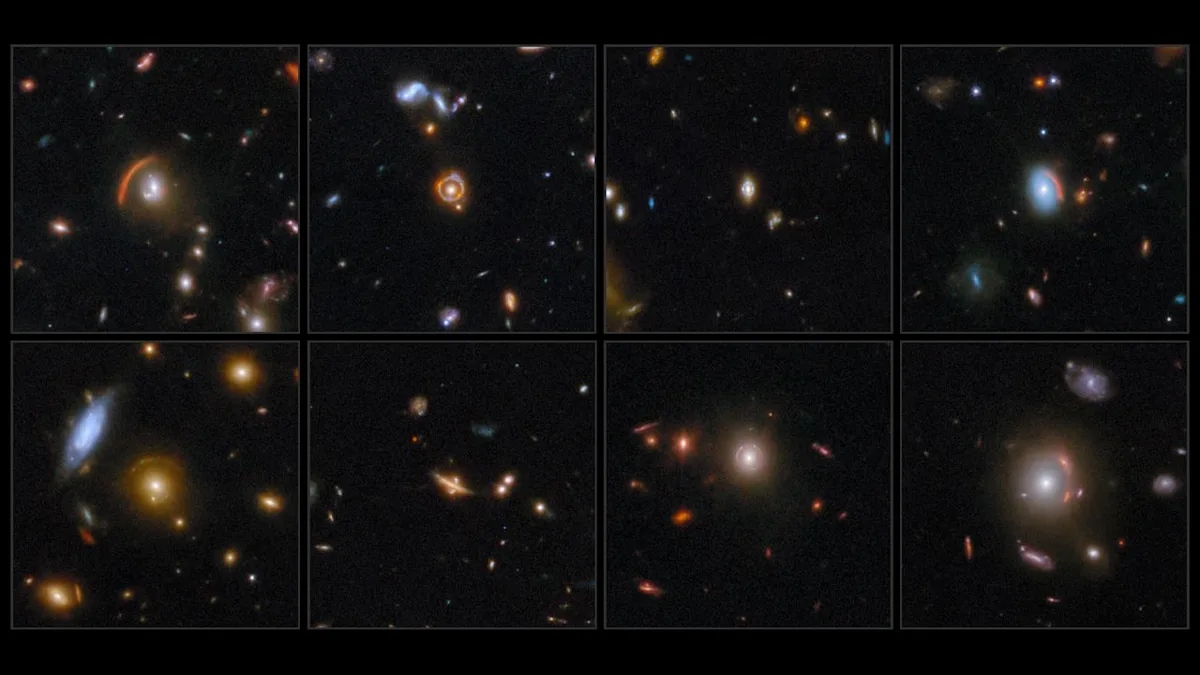
NASA's James Webb Space Telescope has captured stunning images of gravitational lensing, where massive galaxies bend light from more distant galaxies, acting as natural cosmic magnifiers. These images, part of the COSMOS-Web program, reveal detailed views of galaxy formation and provide new insights into the universe's history, surpassing previous observations by the Hubble Space Telescope.