
Voyager 1's 37-Year Dormant Thrusters Fire Again to Preserve Link to Earth
TL;DR Summary
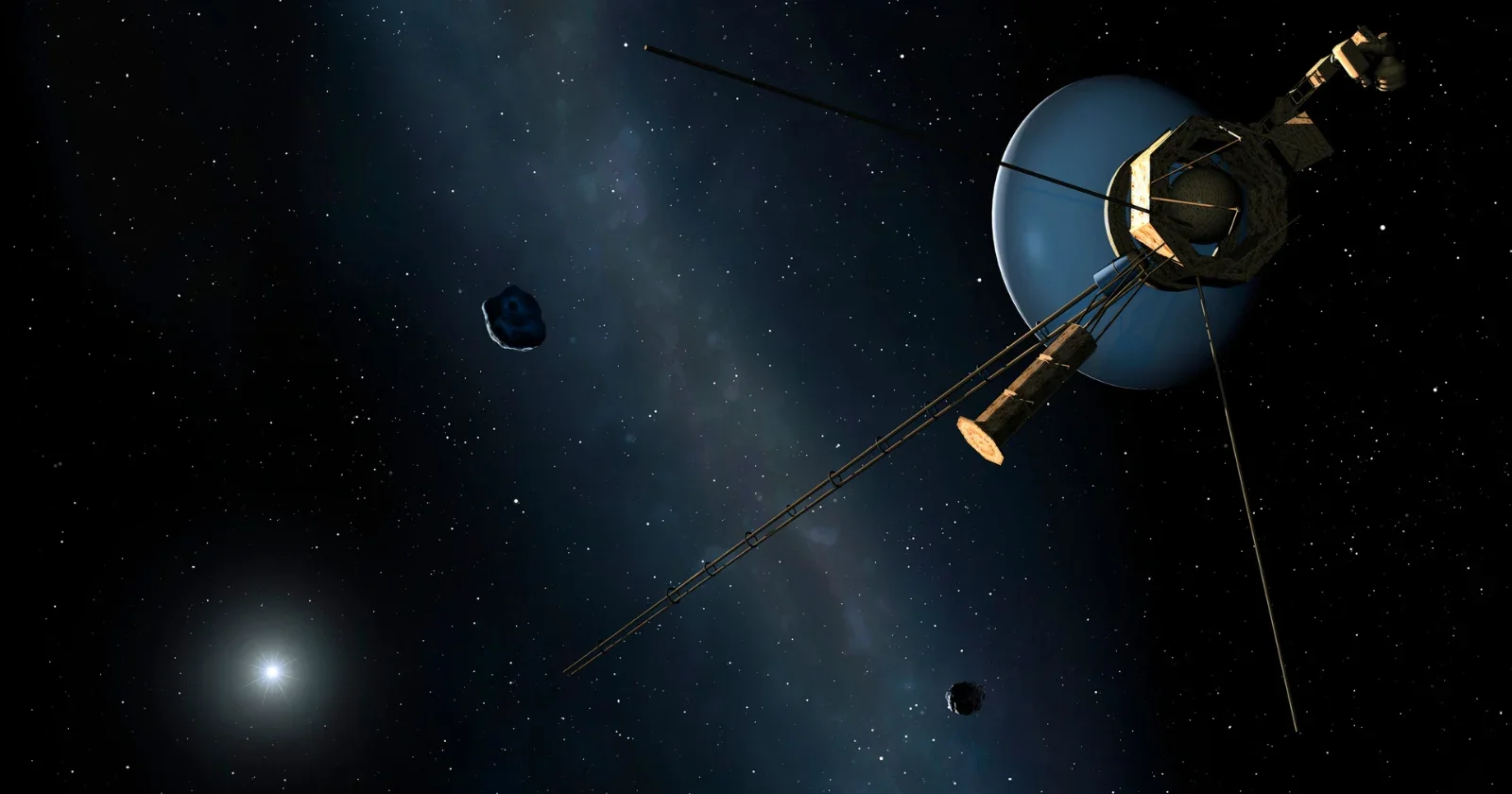
NASA’s Voyager 1 kept its interstellar link alive by reviving a back-up attitude-control thruster set that hadn’t been used since 1980, a 37-year restart that let the antenna stay pointed at Earth and continue transmitting despite the aging energy supply from its RTGs, which are fading by roughly four watts per year. The operation underscores the careful power budgeting, redundancy, and disciplined planning needed in deep-space maintenance, with 2025 thruster restorations and 2024 communications glitches illustrating that continuity—not perpetual hardware—keeps these probes alive.
- The engineers trying to save a fading Voyager had one chance to fire thrusters frozen and unused for 37 years, and when the signal finally returned they learned the impossible had worked Space Daily
- NASA's Voyager 1 Only Has Two Active Science Instruments Left After Latest System Shutdown Hypebeast
- Voyager 1 Has Traveled Through Space at 38,000 Mph Since 1977 And Still Hasn't Reached 1 Light-Day ScienceAlert
- Voyager 1 launched in 1977 with onboard computers holding less memory than a single photo on a modern phone — and that 1970s machine is still running, sending data back to Earth from interstellar space ScienceBlog.com
- ATLANTIC SKIES: How a spacecraft launched in 1977 is sending signals beyond our solar system PNI Atlantic News
Reading Insights
Total Reads
0
Unique Readers
30
Time Saved
12 min
vs 13 min read
Condensed
97%
2,469 → 83 words
Want the full story? Read the original article
Read on Space Daily