
Hempcrete Gains U.S. Code Recognition but Faces Local Adoption Hurdles
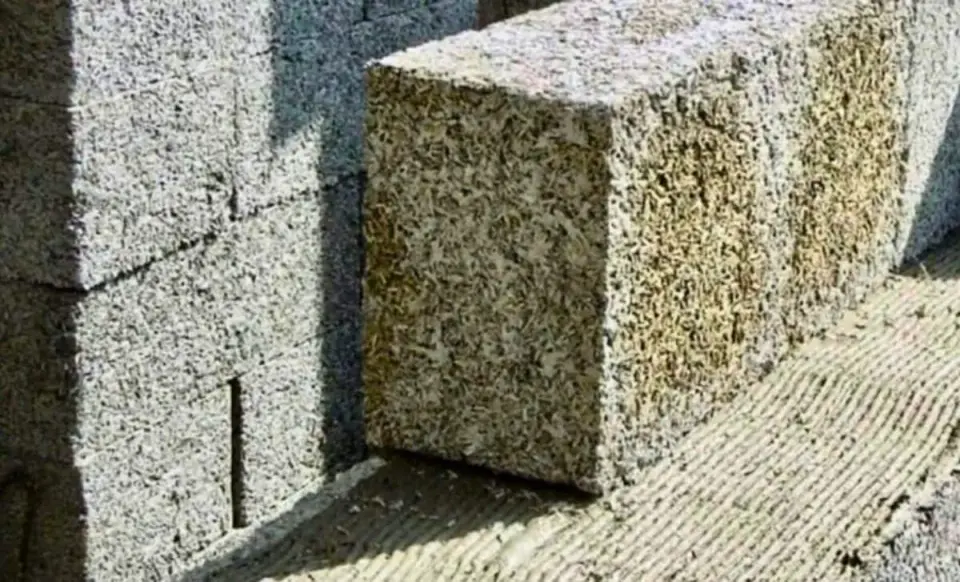
Hempcrete, a mixture of hemp stalks and lime, has been added to the 2024 International Residential Code, marking a significant step toward standardizing its use in U.S. homes. While the material offers superior insulation compared to standard concrete and potential carbon sequestration benefits, its adoption remains fragmented. Local jurisdictions must individually adopt the code, and practical barriers such as insurance availability and supply chain consistency persist. Recent fire safety tests have further validated the material's viability for residential construction.
Key points
- The International Code Council approved hempcrete for inclusion in the 2024 International Residential Code in 2022, providing standardized guidelines for wall thickness and moisture protection.
- Adoption is not automatic; local jurisdictions like Austin, Texas, and Surprise, Arizona, have adopted the rules, while Maricopa County, Arizona, began using updated codes on November 20, 2026.
- Penn State University research indicates hempcrete walls have an R-value of 16.93, outperforming uninsulated concrete but offering only 30% better insulation than walls with fiberglass.
- Environmental benefits vary by mixture; while hemp absorbs carbon dioxide, lime production and transport generate emissions, meaning not all hempcrete structures are carbon-negative.
- Fire safety tests conducted at Intertek laboratories in 2024 and 2025 showed that specific hempcrete wall designs passed one-hour fire resistance standards, leading to a unanimous vote to include them in the 2027 code.
Background
This development follows a broader trend in the U.S. construction industry to adopt sustainable materials, such as the recent repurposing of rice husks for fire-resistant siding. While hempcrete was used in a North Carolina home as early as 2010, its formal integration into national building codes represents a shift from experimental use to regulated standard practice.
Why it matters
The inclusion of hempcrete in national building codes could reduce the carbon footprint of new construction and improve energy efficiency in homes. However, the lack of uniform adoption and ongoing challenges with financing and insurance mean that widespread implementation will depend on local government decisions and industry readiness.
What to watch
Builders in jurisdictions that have not adopted the 2024 code may still need to seek special permissions. The transition period in Maricopa County ends in May 2027, after which all new plans must comply with the updated rules. Continued research into fire safety and carbon sequestration will likely influence future code updates.
Want the full story? Read the original reporting
Read on The Daily Galaxy