
Two New Chemical Approaches Challenge China’s Rare Earth Dominance
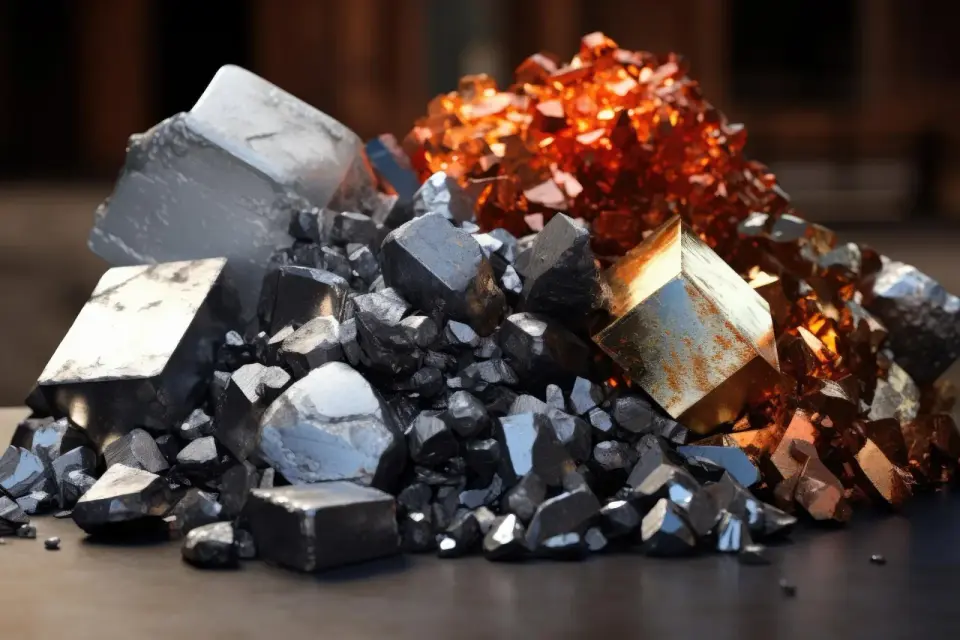
Two distinct scientific breakthroughs offer cleaner alternatives to traditional rare earth extraction. Marie Perrin’s startup, Reecover, extracts europium from waste lamps using sulfur-based molecules, while a University of Chicago team uses layered manganese oxide to separate elements in water. Both methods aim to reduce chemical waste and energy consumption, potentially shifting processing away from China.
Key points
- Marie Perrin, a 28-year-old French-American chemist, developed a method to extract europium from waste fluorescent bulbs and neon tubes, which contain up to twenty times more of the element than natural ore.
- Perrin’s process, backed by the European Patent Office, uses sulfur-based molecules to isolate europium in a single step, reducing chemical waste compared to traditional oxygen-based extraction.
- She is launching a startup named Reecover with former thesis supervisor Victor Mougel and a finance specialist to scale this technology industrially.
- A team led by Chong Liu at the University of Chicago discovered a method using layered manganese oxide to separate rare earth elements based on their hydration shell sizes.
- The UChicago method uses water and electricity instead of organic solvents, achieving 97% purity for neodymium after two cycles by using magnesium ions to pin channel spacing.
- Both innovations address the environmental and strategic challenges of rare earth supply, currently dominated by China, which controls over 70% of global rare earths.
Background
Recent efforts to diversify rare earth supply chains include a $400 million US loan to an Australian scandium project, highlighting the strategic importance of reducing dependence on Chinese processing. This broader trend underscores the urgency for cleaner extraction technologies.
How outlets are covering it
Futura-Sciences emphasizes the potential of Marie Perrin’s recycling-focused approach to upend the industry by sourcing rare earths from waste, highlighting her recognition as a young inventor. The University of News focuses on the fundamental chemical innovation of the manganese oxide method, stressing its potential to shift processing locations by eliminating toxic organic solvents. While both highlight environmental benefits, Futura-Sciences frames the story around individual innovation and recycling, whereas the University of Chicago highlights a scalable, water-based purification technique for mixed ores.
Why it matters
These advancements could reduce the environmental impact of rare earth extraction and decrease reliance on Chinese processing, which currently dominates the market. Cleaner extraction methods may enable local processing in other countries, enhancing supply chain security for critical technologies like electric vehicles and LEDs.
What to watch
Marie Perrin’s startup, Reecover, aims to scale her extraction process for industrial use. The University of Chicago team is testing their manganese oxide method against more lanthanides and refining computational models to better understand the pinning effect. Both groups are working to move from lab-scale success to industrial application.
- At 28, her breakthrough could upend the global rare earths industry Futura, le média qui explore le monde
- Researchers discover cleaner route to purifying rare earth elements University of Chicago News
Want the full story? Read the original reporting
Read on Futura, le média qui explore le monde