
Electron Beam Damage Reveals Path to Durable Sodium Batteries
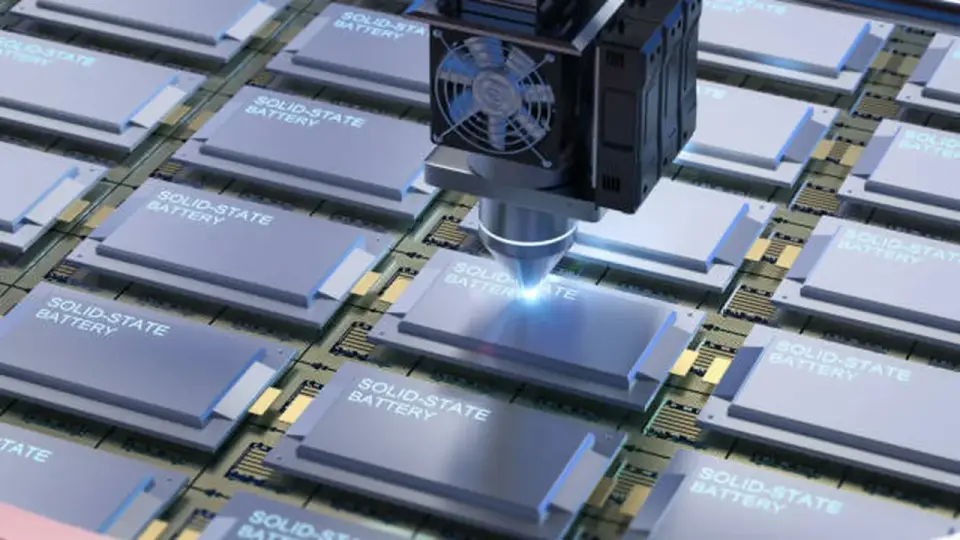
Researchers at the University of Chicago, Argonne National Laboratory, and Thermo Fisher Scientific discovered that electron beams used in microscopy can inadvertently grow sodium metal crystals within solid electrolytes. This accidental process revealed that sodium solid-state batteries can form without a harmful solid electrolyte interphase (SEI), which typically causes capacity loss. The finding suggests a mechanism for longer-lasting batteries and highlights how standard analysis tools may damage the materials they study.
Key points
- A team from the University of Chicago, Argonne National Laboratory, and Thermo Fisher Scientific found that sodium metal can form directly from a solid electrolyte without creating a degraded chemical layer.
- The researchers discovered that high-energy electron beams in microscopes can alter the structure and chemistry of sensitive battery materials, potentially leading to misleading analysis results.
- The team identified electrostatic charging, rather than heat, as the primary cause of material damage during electron microscopy, even at extremely low temperatures.
- By directing electron beams at one side of a sample, researchers triggered the growth of sodium crystals on the opposite side, mimicking the initial charging phase of an anode-free battery.
- The study confirms that no reacted solid electrolyte interphase (SEI) forms between the sodium metal and the solid electrolyte, a key factor in preventing capacity loss in these batteries.
Background
This development follows the 2024 creation of the world's first anode-free sodium solid-state battery by the University of Chicago team. Recent industry trends show sodium-ion batteries gaining traction for grid storage and cold-weather applications due to supply chain resilience, though they still lag behind lithium-ion in energy density. Global efforts to reduce reliance on critical minerals like cobalt and copper continue to drive interest in sodium alternatives, with China targeting large-scale solid-state adoption by 2030.
Why it matters
Understanding the formation of sodium crystals without a degrading SEI layer offers a pathway to significantly extend the lifespan of solid-state batteries. This insight could accelerate the commercial viability of sodium-ion technology for grid storage and electric vehicles, reducing dependence on scarce lithium and cobalt. Additionally, the discovery that electron microscopy can damage battery materials necessitates new analytical standards to ensure accurate research outcomes in battery development.
What to watch
The research team plans to investigate the crystallography of sodium as it grows at the interface between the metal and the solid electrolyte. This detailed analysis aims to improve the design of next-generation fuel cells and batteries by understanding how sodium crystals arrange themselves during formation.
Want the full story? Read the original reporting
Read on Interesting Engineering