
NASA's SPEARS Solid-State Batteries Survive Lunar Cold, Hint at EV Spinoffs
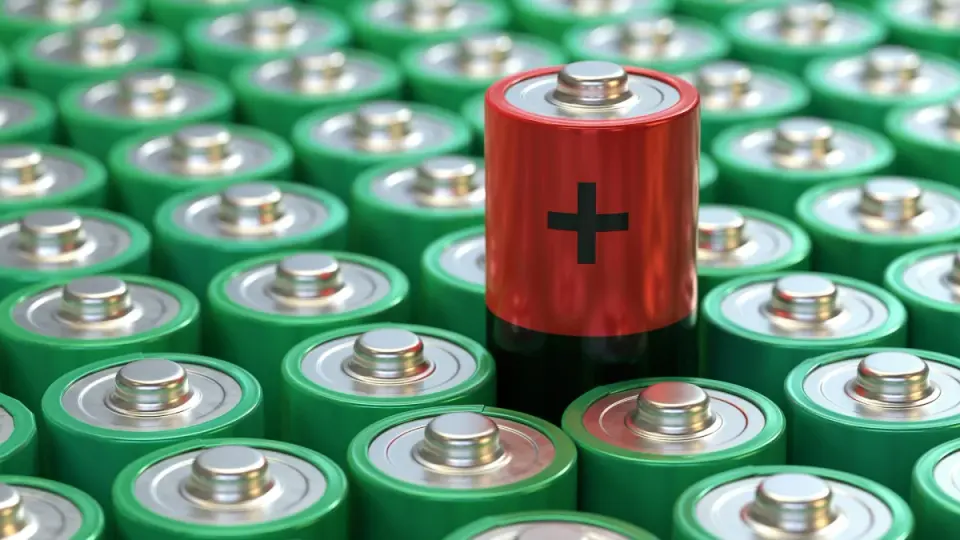
NASA’s SPEARS project has demonstrated solid-state batteries that withstand extreme lunar cold without damage, offering potential safety and efficiency improvements for terrestrial electric vehicles and grid storage.
Key points
- Prototype solid-state cells survived temperatures as low as minus 170 degrees Celsius without damage.
- The batteries operated at reduced performance down to minus 80 degrees Celsius.
- Solid electrolytes eliminate the freezing and fire risks associated with liquid lithium-ion electrolytes.
- NASA aims to use these batteries for lunar rovers and instruments under the Artemis program.
- The technology could eventually spin off to improve EV range, drone reliability, and grid storage in cold climates.
Background
This development aligns with NASA’s broader push for advanced energy systems, including recent partnerships with the Department of Energy for nuclear power in deep space. It follows earlier industry moves toward sustainable battery materials, such as General Motors’ recent integration of recycled metals into customer electric vehicles, highlighting a dual focus on sustainability and extreme-environment performance.
How outlets are covering it
OilPrice.com emphasizes the potential commercial spinoffs for electric vehicles, drones, and grid storage, noting that solid electrolytes offer safer and faster charging. Noticias Ambientales focuses on the technical necessity for the Artemis program, highlighting that solid-state batteries prevent freezing in the lunar vacuum and reduce the need for thermal control equipment. Both sources agree on the performance metrics but differ in emphasis: OilPrice highlights terrestrial benefits, while Noticias Ambientales stresses mission reliability on the Moon.
Why it matters
Successful cold-resistant batteries could revolutionize energy storage for both space exploration and terrestrial applications, particularly in extreme climates. For the EV industry, this could mean longer ranges in winter and improved safety by eliminating flammable liquid electrolytes.
What to watch
NASA plans to further improve the thermal capacity of these cells in future stages. The agency aims to integrate these batteries into lunar rovers and scientific instruments for the Artemis program, with potential commercial applications following as the technology matures.
- NASA's Freeze-Resistant Moon Battery Could Eventually Reach EVs Crude Oil Prices Today | OilPrice.com
- Cold-resistant lunar batteries: the key to NASA’s Artemis program Noticias Ambientales
Want the full story? Read the original reporting
Read on Crude Oil Prices Today | OilPrice.com