
Reflect Orbital’s Secret California Light Test Ignites Astronomer Backlash
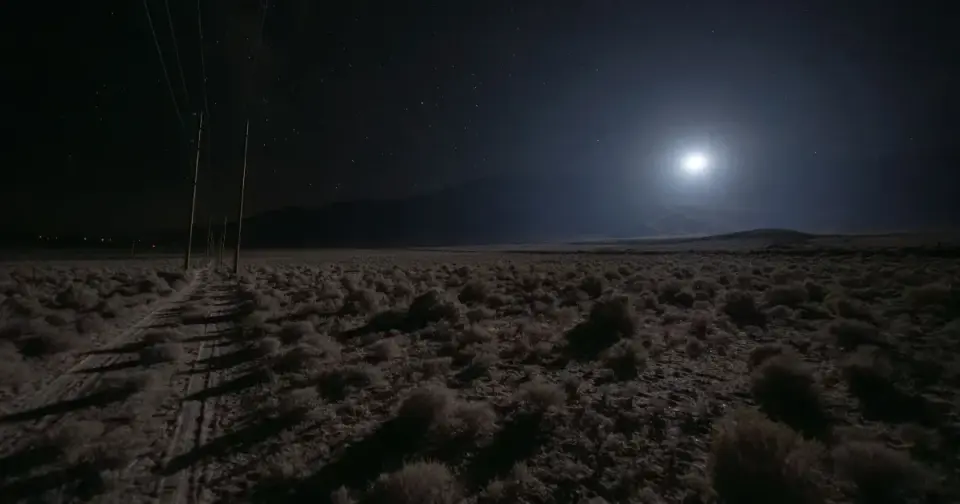
US startup Reflect Orbital conducted an unannounced nighttime light demonstration in California to simulate its planned 'sunlight-as-a-service' orbital mirror satellites. The test, which illuminated a desert area near Lone Pine with brightness exceeding a full moon, sparked outrage among astronomers and local officials who were not consulted. While the company claims the technology will aid search-and-rescue operations and solar energy, critics warn of severe light pollution, wildlife disruption, and potential eye damage. The FCC previously approved a prototype satellite, but Reflect Orbital has since purchased launches from India, raising concerns about bypassing US regulatory oversight.
Key points
- Reflect Orbital tested ground-based spotlights near Lone Pine, California, on October 10 to simulate the illumination of its future orbital mirror satellites.
- The demonstration was not disclosed to local astronomers, county officials, or the Bureau of Land Management, leading to accusations of lack of transparency.
- The company plans to deploy 50,000 satellites by 2035, each with a 59-foot mirror capable of reflecting sunlight in beams up to 3 miles wide.
- Critics, including Princeton astrophysicist Gaspar Bakos, argue the beams could ruin ground-based astronomy and cause permanent eye damage to amateur observers.
- Reflect Orbital recently purchased two launches from Indian company Skyroot Aerospace, potentially allowing it to avoid US regulatory scrutiny under the Outer Space Treaty.
Background
This incident follows the US Federal Communications Commission's July approval of Reflect Orbital's prototype satellite, Earendil-1, despite protests from the astronomy community. The controversy builds on earlier debates about space-based solar geoengineering and the growing number of satellites in orbit, including SpaceX's planned data centers. Local communities in Inyo County are now considering amendments to dark sky ordinances to address artificial light from space.
How outlets are covering it
Reflect Orbital emphasizes the utility of its technology for emergency response, solar power, and crop growth, stating it has engaged with scientists and plans to avoid sensitive areas like observatories. In contrast, astronomers and environmental groups, represented by Earthjustice, argue the project ignores decades of progress in reducing light pollution and poses existential risks to wildlife and human health. Sky & Telescope highlights the lack of regulatory framework for visible light from space, noting that launching from India may allow Reflect Orbital to bypass US oversight. The Guardian focuses on the broader ecological impact, with climate scientist David Ho warning that adding solar energy to Earth contradicts efforts to mitigate global warming. Local residents, such as Hayley Carter, expressed confusion and alarm, describing the sudden illumination as blinding and unexplained.
Why it matters
The incident raises critical questions about the governance of the night sky and the environmental impact of space-based technologies. It highlights the tension between commercial innovation and scientific preservation, potentially setting a precedent for unregulated light pollution that could affect global ecosystems and astronomical research. The move to launch from India underscores the complexity of international space law and the potential for regulatory arbitrage.
What to watch
DarkSky International is launching a grassroots campaign in November to urge citizens to contact representatives for space light regulation. Local groups in Inyo County are discussing amendments to dark sky ordinances. Reflect Orbital has not responded to recent requests for comment, and the FCC has not addressed calls to reverse its approval. The company aims to launch its first demonstration satellite in 2027, with a full constellation by 2035.
- Unannounced Test by Controversial “Sunlight-as-a-Service” Space Startup Shocks Astronomers Futurism
- Sunlight at night: US startup’s demonstration of lighting Earth from space draws criticism The Guardian
- A Satellite Company Tests “Sunlight As A Service” — Without Astronomers’ Knowledge Sky & Telescope
- Mysterious 'blinding lights' are leaving a small town absolutely baffled Metro.co.uk
- An American startup wants to sell sunlight after dark. Who gets a say? Phys.org
Want the full story? Read the original reporting
Read on Futurism