
November Solar Storm Causes 33-Foot GPS Drift, Threatening Autonomous Systems
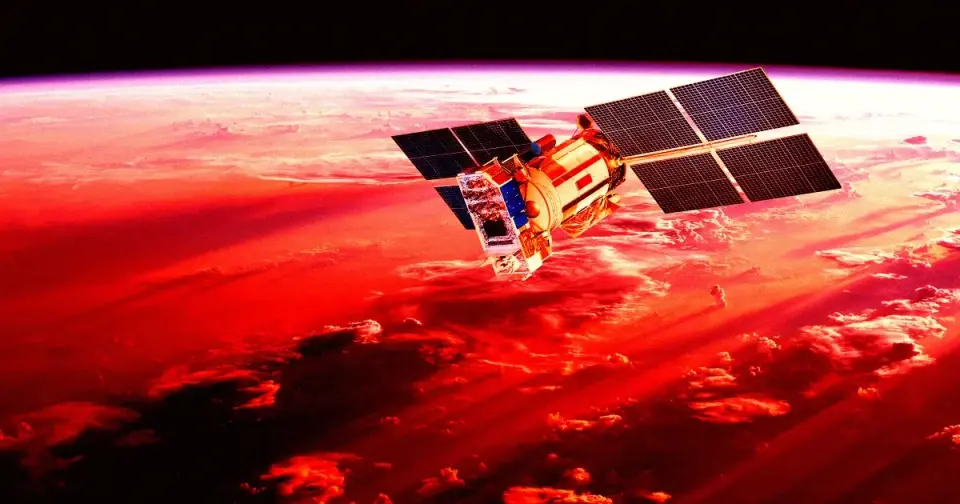
A severe solar storm in November 2025 caused GPS positioning errors exceeding 33 feet across the continental United States, posing risks to precision agriculture and self-driving vehicles. Researchers published findings in Geophysical Research Letters detailing how the event pushed the auroral oval toward the equator, creating atmospheric density gradients that disrupted signal timing. While the November event occurred after the farming season, a similar storm in May 2024 caused half a billion dollars in agricultural losses. The study highlights the need for better space weather modeling to protect critical infrastructure.
Key points
- GPS systems experienced positioning errors over 33 feet during a severe solar storm in November 2025.
- The errors were large enough to potentially disrupt autonomous transportation and precision agriculture.
- The storm pushed the auroral oval south, creating intense density gradients in the upper atmosphere.
- A similar solar storm in May 2024 caused an estimated $500 million in damages to the farming industry.
- Researchers emphasize the need for improved predictive modeling to reduce disruptions to radio frequency applications.
Background
Recent incidents have highlighted vulnerabilities in autonomous and GPS-dependent systems. In August 2026, a Tesla operating in Full Self-Driving mode was involved in a severe crash in Issaquah, underscoring the risks of autonomous navigation errors. Additionally, security researchers have identified broad flaws in cheap GPS-enabled devices, such as kids' watches, which can be hijacked for tracking or surveillance. These events, combined with the recent solar storm findings, illustrate the growing importance of reliable navigation and communication systems in a technologically dependent society.
Why it matters
The reliability of GPS is critical for modern infrastructure, including autonomous vehicles and precision agriculture. Solar storms can cause significant positioning errors, leading to economic losses and safety risks. Improved space weather modeling and predictive capabilities are essential to mitigate these disruptions and protect critical systems from future solar events.
What to watch
Researchers will continue to study the impact of space weather on GPS systems to enhance predictive models. Coordination among scientific instruments and physics-based modeling will be crucial for reducing disruptions to radio frequency applications during future solar storms. Monitoring and preparedness for such events will remain a priority for industries reliant on accurate navigation.
Want the full story? Read the original reporting
Read on Futurism