Tag

Geophysical Research Letters

All articles tagged with #geophysical research letters

Artemis II Launch Created Ionospheric Holes That Disrupted GPS Signals
science22 days ago

Artemis II Launch Created Ionospheric Holes That Disrupted GPS Signals

A new study reveals that the April 2026 launch of NASA’s Artemis II mission caused unprecedented disturbances in Earth’s ionosphere, leading to temporary GPS errors of several meters. Researchers from National Cheng Kung University found that the Space Launch System’s upper-stage burns created 3,100-mile-wide gaps in the atmosphere, posing risks to autonomous vehicles and drones. The study warns that as lunar and Mars missions increase, these space weather effects will become more significant.

November Solar Storm Causes 33-Foot GPS Drift, Threatening Autonomous Systems
technology2 months ago

November Solar Storm Causes 33-Foot GPS Drift, Threatening Autonomous Systems

A severe solar storm in November 2025 caused GPS positioning errors exceeding 33 feet across the continental United States, posing risks to precision agriculture and self-driving vehicles. Researchers published findings in Geophysical Research Letters detailing how the event pushed the auroral oval toward the equator, creating atmospheric density gradients that disrupted signal timing. While the November event occurred after the farming season, a similar storm in May 2024 caused half a billion dollars in agricultural losses. The study highlights the need for better space weather modeling to protect critical infrastructure.

Statistical Analysis Confirms Global Warming Rate Has Doubled Since 2015
climate-science3 months ago

Statistical Analysis Confirms Global Warming Rate Has Doubled Since 2015

A new study published in Geophysical Research Letters confirms with 98% statistical certainty that the rate of global warming has significantly accelerated since 2015. After filtering out natural variables like El Niño and solar activity, researchers found that Earth’s temperature is rising at 0.35 degrees Celsius per decade, nearly double the rate observed between 1970 and 2015. If this pace continues, the 1.5-degree Celsius limit set by the Paris Agreement could be exceeded before 2030, potentially triggering irreversible climate tipping points.

Thwaites Glacier could shed 200 gigatonnes of ice annually by 2067, raising sea levels and fueling collapse fears
science8 months ago

Thwaites Glacier could shed 200 gigatonnes of ice annually by 2067, raising sea levels and fueling collapse fears

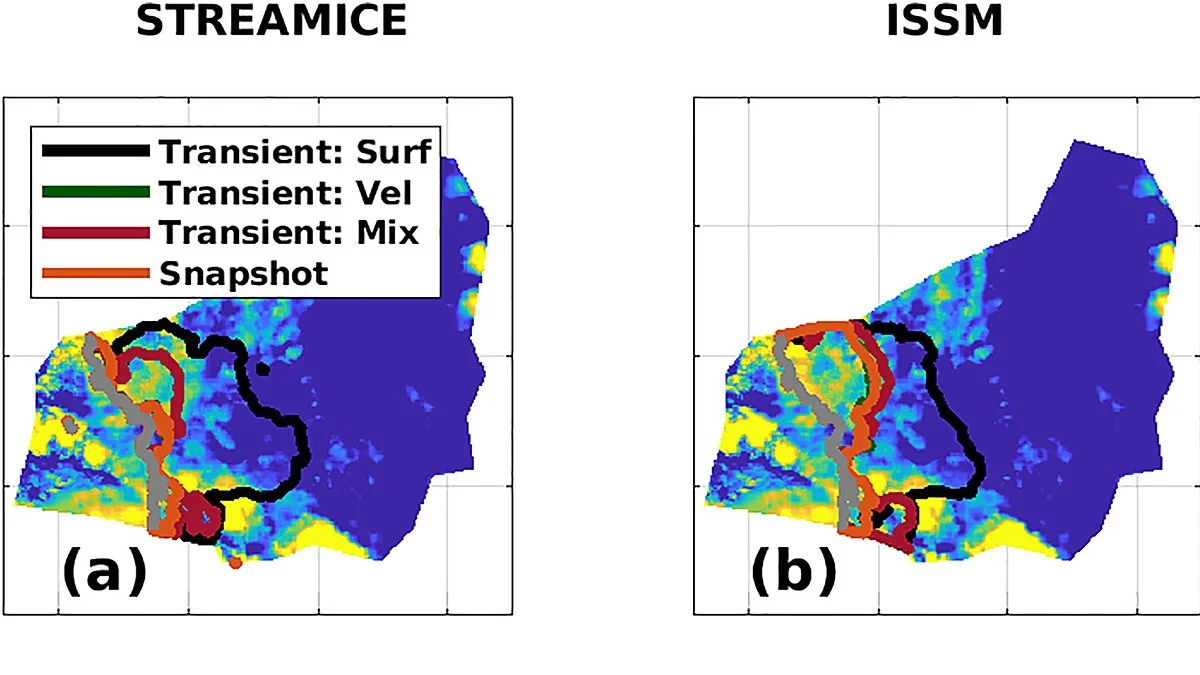
Scientists warn that Antarctica’s Thwaites Glacier could lose about 200 gigatonnes of ice per year by 2067, potentially adding around 0.5 mm to global sea‑level rise annually and accelerating toward collapse. The findings, based on satellite‑calibrated ice‑sheet models, show that melting is five times faster than in the 1990s and concentrates in deep bedrock valleys inland. While a total collapse isn’t considered imminent, the study suggests a rapid retreat could occur within a couple of centuries under current emissions, with significant delay possible if greenhouse gas emissions are cut.

Planet warming accelerates: new study finds acceleration since 2015
science8 months ago

Planet warming accelerates: new study finds acceleration since 2015

A study published in Geophysical Research Letters finds that global warming has accelerated since 2015, with Earth warming about 0.35°C in the last decade—faster than the roughly 0.2°C per decade observed from 1970 to 2015. If this pace continues, the 1.5°C Paris target could be breached before 2030, underscoring the urgency of reducing CO2 emissions.

New study finds global warming is accelerating, raising chances of hitting 1.5°C sooner
science8 months ago

New study finds global warming is accelerating, raising chances of hitting 1.5°C sooner

A new paper in Geophysical Research Letters reports that Earth's warming has accelerated significantly in the last decade (about 0.35°C per decade from 2015–2025, up from ~0.2°C/decade 1970–2015), suggesting the 1.5°C limit could be breached earlier than expected if the trend continues. While multiple datasets show the acceleration, some scientists disagree, noting that recent warming could reflect natural variability or the end of aerosol cooling, and stressing the need for continued monitoring to confirm a lasting shift.

Unprecedented Earth Tilt Raises Concerns
earth-and-environment3 years ago

Unprecedented Earth Tilt Raises Concerns

A new study published in Geophysical Research Letters reveals that pumping groundwater has caused Earth's tilt to shift by 31.5 inches in less than two decades, resulting in a sea-level rise of 0.24 inches. The redistribution of groundwater has been found to have the largest impact on the drift of the rotational pole, surpassing other climate-related causes. The study highlights the significant influence of human activities on Earth's rotation and emphasizes the need for better understanding and management of groundwater pumping to mitigate the effects of climate change, including sea-level rise.

Unprecedented Earth Tilt Raises Concerns
earth-and-environment3 years ago

Unprecedented Earth Tilt Raises Concerns

A new study published in Geophysical Research Letters reveals that pumping groundwater has caused Earth's tilt to shift by 31.5 inches in less than two decades, resulting in a sea-level rise of 0.24 inches. The redistribution of groundwater has been found to have the largest impact on the drift of the rotational pole, surpassing other climate-related causes. The study highlights the significant influence of human activities on Earth's rotation and emphasizes the need for better understanding and management of groundwater pumping to mitigate the effects of climate change, including sea-level rise.

The Alarming Shift: Humans Alter Earth's Axis
earth-science3 years ago

The Alarming Shift: Humans Alter Earth's Axis

A new study published in Geophysical Research Letters reveals that pumping groundwater has caused Earth's tilt to shift by 31.5 inches in less than two decades, resulting in a sea-level rise of 0.24 inches. The redistribution of groundwater has been found to have the largest impact on the drift of the rotational pole, surpassing other climate-related causes. The study highlights the significant influence of human activities, particularly irrigation, on Earth's rotation and climate change. Understanding the effects of groundwater pumping can aid in mitigating sea-level rise and other climate issues.

"Unprecedented Lightning Storm Unleashed by Volcanic Eruption"
natural-disasters3 years ago

"Unprecedented Lightning Storm Unleashed by Volcanic Eruption"

The eruption of the underwater volcano Hunga Tonga-Hunga Ha'apai triggered the most intense lightning storm ever recorded, according to a study published in Geophysical Research Letters. The eruption sent millions of tons of ash, dust, and superheated water into the atmosphere, creating an umbrella cloud. Lightning strikes occurred at an unprecedented rate, with approximately 2,600 strikes per minute during the peak. The lightning also occurred at significantly higher altitudes than usual, suggesting that volcanoes can create their own weather systems.