
Solar Flares Triggered Coast-to-Coast GPS Failures That Could Have Grounded Autonomous Vehicles
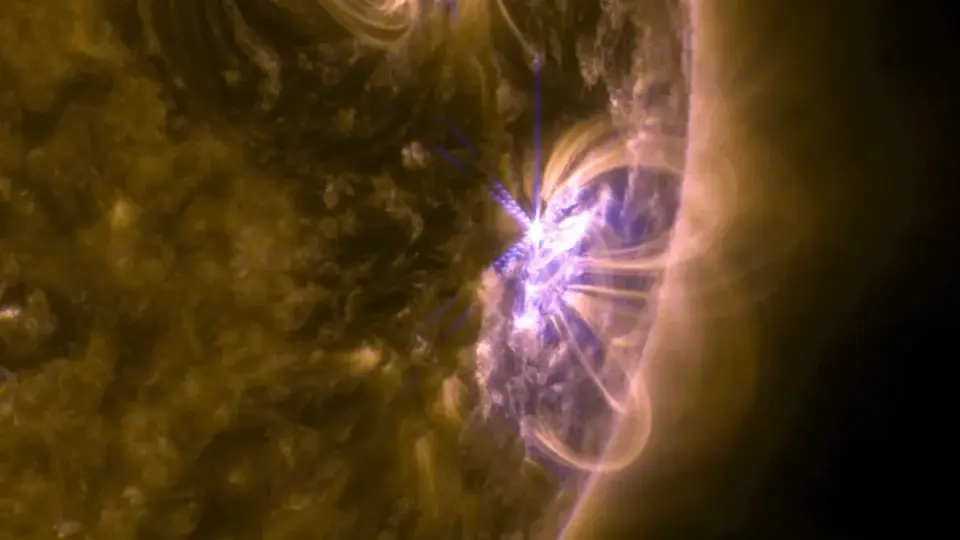
A severe geomagnetic storm in November 2025 caused GPS positioning errors exceeding 30 feet across the continental United States, posing risks to autonomous vehicles and precision agriculture. A new study confirms the event’s unprecedented scale, highlighting the need for better solar activity forecasting to protect critical infrastructure.
Key points
- On November 11, 2025, solar flares triggered a geomagnetic storm that peaked for approximately six hours, producing visible auroras and significant technological disruptions.
- A study published in Geophysical Research Letters found that the storm caused GPS positioning errors of more than 10 meters (30 feet) across the U.S. and Canada.
- The ionospheric disturbances extended from the West Coast to the East Coast and as far south as Florida, affecting mid-latitudes typically less impacted by such events.
- Researchers noted that these errors were severe enough to potentially derail self-driving cars and disrupt GPS-equipped agricultural machinery.
- The study emphasizes the difficulty of predicting solar eruptions, calling for improved physics-based modeling and coordinated observations to mitigate future space weather impacts.
Background
This event follows a May 2024 geomagnetic storm that caused over $500 million in damages to U.S. farmers during planting season. Recent developments in autonomous transportation, such as the federal approval of Zoox robotaxis for monetized rides, have increased reliance on precise navigation systems, making them more vulnerable to such space weather anomalies. Previous coverage in September 2026 also highlighted the same November 2025 storm, noting the unprecedented scale of the mid-latitude disturbances.
Why it matters
As society integrates autonomous vehicles and precision agriculture into daily infrastructure, the vulnerability of GPS systems to solar activity becomes a critical safety and economic concern. The November 2025 event demonstrates that even mid-latitude regions can experience severe navigation errors during intense geomagnetic storms, potentially leading to accidents or significant financial losses if these events occur during critical operational periods.
What to watch
Scientists are actively developing new tools to predict solar storms with greater accuracy and speed. The findings from the November 2025 event will likely inform improved space weather models and emergency protocols for industries reliant on radio frequency applications, aiming to reduce disruptions during future solar maxima.
Want the full story? Read the original reporting
Read on Gizmodo