
SpaceX Falcon 9 Booster B1067 Reaches 37th Flight, Validating Long-Term Reuse Strategy
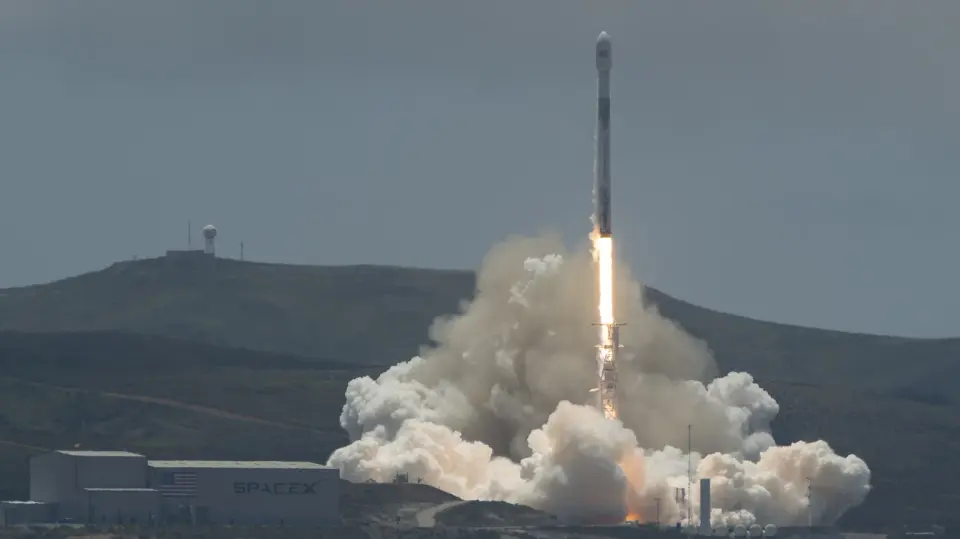
On August 25, 2026, SpaceX’s Falcon 9 booster B1067 completed its 37th flight, deploying 29 Starlink satellites from Cape Canaveral before landing on a droneship. This milestone confirms the viability of high-cycle rocket reuse, with the company stating boosters are engineered for up to 40 flights. While B1067 approaches its limit, other boosters like B1063 have flown 35 times, and rapid turnaround records of nine days demonstrate operational efficiency. SpaceX is now applying these reuse principles to its larger Starship system, which has already reused two Super Heavy boosters across 14 test flights, aiming for full upper-stage reuse by late 2026.
Key points
- Booster B1067 launched its 37th mission on August 25, 2026, carrying 29 Starlink satellites and landing on a droneship off Florida.
- SpaceX states Falcon 9 boosters are engineered and demonstrated to handle up to 40 flights, with B1067 nearing this limit after first flying in June 2021.
- Multiple boosters show high reuse rates: B1063 has flown 35 times, B1069 32 times (now retired), and B1077/B1078 each 30 times as of September 2026.
- The record turnaround time for reflight is nine days, achieved with booster B1088 in March 2025, highlighting rapid refurbishment capabilities.
- Starship’s Super Heavy booster has been reused twice across 14 test flights, with the first catch occurring in May 2025, and upper-stage reuse testing planned for late 2026.
Background
This development follows SpaceX’s 100th Falcon 9 flight of 2026, also involving B1067, which underscored the company’s rapid reuse cadence as the Starlink constellation expanded beyond 11,000 satellites. Recent archive coverage noted SpaceX’s petition to the FCC regarding spectrum interference with Iridium and its targeted September 2026 Starship orbital test, which included plans for Gulf of Mexico landings to facilitate future booster catches. The current milestone reinforces the trajectory established by these earlier events, moving from initial reuse demonstrations to high-frequency operational cycles.
Why it matters
The success of B1067’s 37th flight validates the economic model of rocket reuse, potentially reducing launch costs for government and commercial clients. It demonstrates that Falcon 9 boosters can sustain near-40 flights, approaching the upper limit of their demonstrated capability. This progress accelerates the transition to Starship, where full reuse of both stages could further lower costs for lunar and Mars missions, while also intensifying competition in the satellite deployment market as Starlink expands.
What to watch
B1067 is expected to attempt a 38th flight in the coming months, likely before reaching its 40-flight limit. SpaceX plans to attempt landing Starship’s upper stage at the launch site for the first time in late 2026, a prerequisite for full Starship reuse. The company will continue to retire boosters like B1069 or repurpose them, while expanding Starship test flights to refine the 'catch' mechanism for Super Heavy boosters.
Want the full story? Read the original reporting
Read on bgr.com