Tag

Rocket Reuse

All articles tagged with #rocket reuse

Starship's 407-Foot Frame and 18.1 Million Pounds of Thrust Define Its Lunar Ambitions
space23 days ago

Starship's 407-Foot Frame and 18.1 Million Pounds of Thrust Define Its Lunar Ambitions

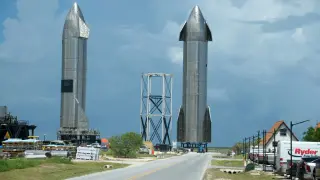
SpaceX’s Starship is the tallest and most powerful rocket ever flown, standing 407 feet tall with 18.1 million pounds of liftoff thrust. The vehicle consists of a 236-foot Super Heavy booster and a 171-foot upper stage, designed for heavy payloads and eventual human spaceflight. Despite its immense power, the rocket requires orbital refueling for lunar missions, involving a complex sequence of propellant depots and tankers before crewed flights.
space28 days ago

SpaceX Completes 117th 2026 Falcon 9 Launch, Delivering 27 Starlink Satellites from California

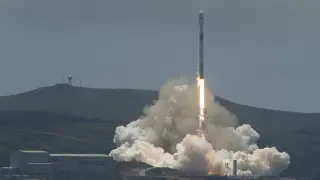
SpaceX successfully launched its 117th Falcon 9 rocket of 2026 on October 27, deploying 27 Starlink satellites from Vandenberg Space Force Base. The mission, designated Starlink 15-16, utilized booster B1082 for its 26th flight, which landed on the 'Of Course I Still Love You' droneship. This launch continues the steady deployment of Starlink V2 mini satellites while SpaceX shifts primary focus to the development of the larger Starship rocket.

SpaceX adopts catch-tower design for Starship to enable rapid reuse and Mars logistics
space1 month ago

SpaceX adopts catch-tower design for Starship to enable rapid reuse and Mars logistics

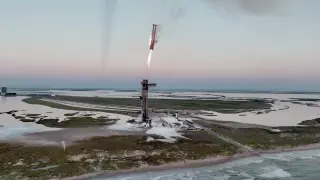
SpaceX is using mechanical arms on its launch tower to catch the Super Heavy booster instead of landing it on legs. This design choice reduces vehicle weight, allows for greater payload capacity, and enables rapid turnaround times at the launch site. The strategy supports ambitious goals for frequent Mars cargo launches and potential suborbital passenger flights, though significant technical and safety hurdles remain before operational deployment.

SpaceX Falcon 9 Booster B1067 Reaches 37th Flight, Validating Long-Term Reuse Strategy
technology1 month ago

SpaceX Falcon 9 Booster B1067 Reaches 37th Flight, Validating Long-Term Reuse Strategy

On August 25, 2026, SpaceX’s Falcon 9 booster B1067 completed its 37th flight, deploying 29 Starlink satellites from Cape Canaveral before landing on a droneship. This milestone confirms the viability of high-cycle rocket reuse, with the company stating boosters are engineered for up to 40 flights. While B1067 approaches its limit, other boosters like B1063 have flown 35 times, and rapid turnaround records of nine days demonstrate operational efficiency. SpaceX is now applying these reuse principles to its larger Starship system, which has already reused two Super Heavy boosters across 14 test flights, aiming for full upper-stage reuse by late 2026.

SpaceX sets booster reuse record with 37th flight of B1067 for Starlink 10-49
technology3 months ago

SpaceX sets booster reuse record with 37th flight of B1067 for Starlink 10-49

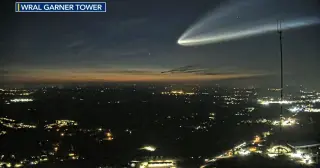
SpaceX successfully launched the Starlink 10-49 mission from Cape Canaveral on August 24, 2026, at 5:33 a.m. EDT. The mission deployed 29 new satellites to low Earth orbit, bringing the total operational constellation to over 11,000. The launch marked a significant milestone as it was the 37th flight for booster B1067, setting a new record for Falcon 9 first-stage reuse. The booster landed successfully on the droneship A Shortfall of Gravitas. While the launch was visible across North Carolina, the anticipated 'jellyfish effect' was not observed in Central Florida.

space3 months ago

SpaceX Sets Reuse Record with 37th Flight of Booster B1067

SpaceX launched the Starlink 10-49 mission from Cape Canaveral on August 24, 2026, using booster B1067 for its 37th flight, setting a new record for Falcon 9 first-stage reuse. The mission deployed 29 satellites into low Earth orbit, bringing the total constellation count to over 11,000. The booster successfully landed on the droneship 'A Shortfall of Gravitas' in the Atlantic Ocean, marking the 165th landing on that vessel. This launch was likely the last Starlink mission from Cape Canaveral for the near term, as SpaceX shifts its Florida workforce to Starship preparations and increases its reliance on Vandenberg Space Force Base for satellite deployments.

Falcon 9 dominance leaves Europe trapped between costly domestic tech and US reliance
space-policy3 months ago

Falcon 9 dominance leaves Europe trapped between costly domestic tech and US reliance

New research published in Economics Letters reveals that SpaceX’s Falcon 9 reuse and high launch cadence have drastically shifted global orbital mass shares, with the US now accounting for over 82% of global payload. This dominance has created a policy dilemma for Europe, which faces a choice between relying on cheaper American launches or using expensive, less scalable domestic rockets. The study highlights a significant cost disparity, with European launch costs now three times higher than US costs, threatening the continent's ability to expand space operations competitively.

SpaceX hits 35th reuse milestone with Falcon 9 booster (video)
space5 months ago

SpaceX hits 35th reuse milestone with Falcon 9 booster (video)

SpaceX launched Booster 1067 for the 35th time from Cape Canaveral, carrying 29 Starlink satellites, setting a new rocket-reuse record and later landing on the drone ship 'A Shortfall of Gravitas' as part of SpaceX’s ongoing Starlink mission cadence. The flight brings Falcon 9’s yearly tally to 66 flights and 660 total missions, inching toward NASA’s shuttle-era record of 39 reuse flights; a separate Falcon 9 mission from Vandenberg also flew 21 Starlink satellites and two Starshield satellites on Sunday.

Five-year-old Falcon 9 booster sets reuse milestone with 35th flight
technology5 months ago

Five-year-old Falcon 9 booster sets reuse milestone with 35th flight

SpaceX’s Falcon 9 first stage B1067, first flown about five years ago, just logged its 35th mission—the latest Starlink flight—landing on a drone ship and being refurbished for another mission, as the company pushes toward a 40-flight life for boosters and cements Falcon 9’s central role in SpaceX’s reusable-rocket era and Starlink expansion.

Falcon 9 breaks reuse record on twin Starlink mission
space-exploration9 months ago

Falcon 9 breaks reuse record on twin Starlink mission

SpaceX launched two Falcon 9 missions to deploy Starlink satellites on Saturday, Feb. 21, 2026. The second booster, B1067, marked a record 33rd flight, delivering 28 satellites and returning to Earth after landing on a droneship in the Atlantic, while the first-stage booster B1063 from the California launch completed its 31st flight and landed on a Pacific droneship. Together the two launches placed a combined 53 Starlink satellites into orbit, marking SpaceX's 21st and 22nd Falcon 9 launches of the year.

Rocket Developments: China Tests Falcon 9 Clone, NASA Completes Moon Rocket Stack
space-industry1 year ago

Rocket Developments: China Tests Falcon 9 Clone, NASA Completes Moon Rocket Stack

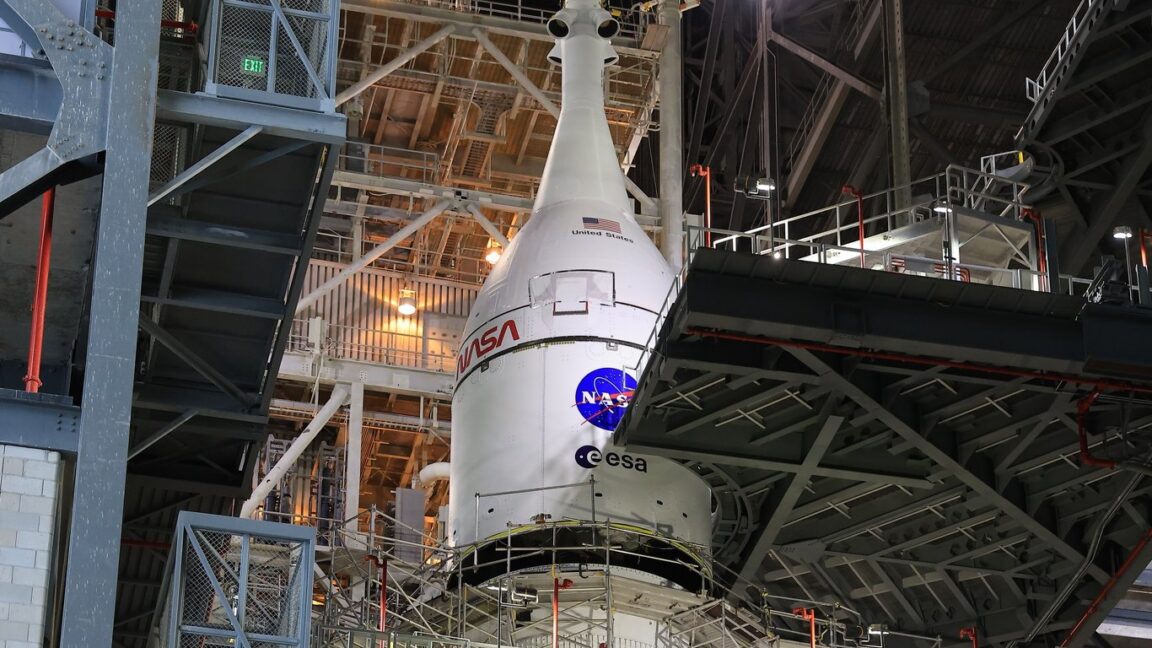
The article covers recent developments in space launch technology, including SpaceX's record-breaking Falcon 9 reuse, China's Falcon 9 lookalike test, NASA's Artemis II spacecraft stacking, and advancements in space-based missile interceptors by US companies, alongside new launches and investments in space technology.

SpaceX Starship Program: Milestones, Challenges, and Recent Developments
space1 year ago

SpaceX Starship Program: Milestones, Challenges, and Recent Developments

SpaceX's Starship program has completed 10 flight tests, experiencing successes like controlled landings and reentries, as well as failures such as explosions and fires. The program has made significant improvements over time, culminating in a successful catch and reuse of a booster in Flight 5, and is now transitioning to the next phase with Block 3 vehicles aimed at operational missions and Starlink launches.

technology1 year ago

SpaceX Launches 28 Starlink Satellites, Marks 450th Falcon Flight

SpaceX launched its 450th flight-proven Falcon booster during the Starlink 10-30 mission from Cape Canaveral, marking a significant milestone in rocket reuse. The booster, used for the 21st time, successfully landed on a droneship after launch amid challenging weather conditions, contributing to SpaceX's ongoing Starlink satellite deployment efforts in 2025.