
SpaceX Halts Falcon 9 Starlink Launches in Florida, Ceding the World's Busiest Spaceport Title
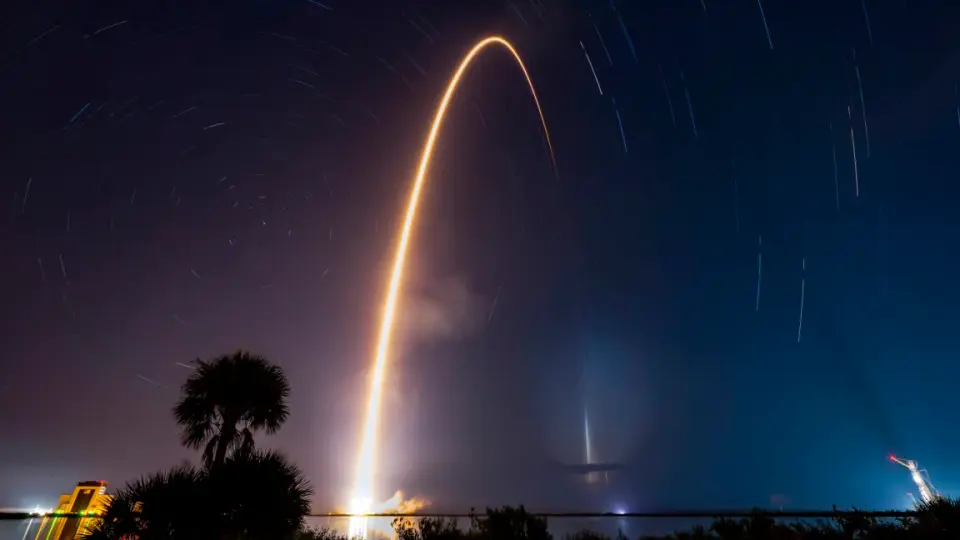
SpaceX has ended its decade-long run as the operator of the world's busiest spaceport by ceasing Falcon 9 Starlink launches from Florida. The company is shifting its high-cadence satellite deployment to its West Coast facility at Vandenberg Space Force Base in California. Florida's launch rate is expected to drop from eight to nine per month to approximately two per month until Starship operations begin. This transition marks a significant pivot for SpaceX, which plans to use Starship for future Starlink missions in Florida, while Falcon 9 will continue to serve customer payloads and crewed missions to the International Space Station.
Key points
- SpaceX VP of Launch Kiko Dontchev confirmed that the August 25 Falcon 9 launch from Cape Canaveral was the final planned Starlink mission from Florida.
- The Florida spaceport's launch cadence will fall from roughly eight to nine monthly flights to about two, a level not seen since the early years of SpaceX's operations.
- Starlink satellite launches will continue from Vandenberg Space Force Base in California, maintaining the company's deployment pace on the West Coast.
- Future Falcon 9 and Falcon Heavy launches from Florida will exclusively carry customer payloads, such as NASA's Nancy Grace Roman Space Telescope and crewed ISS missions.
- SpaceX aims to launch Starship from Kennedy Space Center by the end of 2026, though industry observers consider mid-2027 a more realistic timeline due to site preparation and logistics.
Background
For over a decade, Florida's Space Coast, encompassing Cape Canaveral and Kennedy Space Center, has dominated global launch activity. In 2025, SpaceX executed 165 Falcon 9 launches, with approximately 75% dedicated to Starlink satellites. This high frequency established Florida as the world's most active spaceport, a status it held continuously since 2015. The current shift reflects SpaceX's strategic transition from its legacy Falcon 9 vehicle to the next-generation Starship, which is designed to carry larger, heavier Starlink Version 3 satellites.
How outlets are covering it
Ars Technica emphasizes the historical significance of the shift, noting that the Florida spaceport has not led the world in launches since 2015 and that the reduced cadence signals a major industry transition. The outlet highlights the uncertainty surrounding the Starship debut, suggesting that mid-2027 is more likely than the end of 2026 due to logistical challenges. Yahoo Finance frames the event as an 'end of an era' for Falcon 9 on the East Coast, focusing on the financial and operational implications for SpaceX's stock and the broader space sector. It also notes Elon Musk's ambitious long-term goals, including a target of 10,000 Starship launches annually by the end of the decade. Space.com focuses on the technical achievement of the final launch, highlighting that the booster used for the August 25 mission set a new record for 37 flights, underscoring the reliability of the Falcon 9 fleet before its retirement from Starlink duties in Florida.
Why it matters
This transition marks a pivotal moment in commercial spaceflight, signaling the end of the Falcon 9 era for high-cadence satellite deployment in the United States. The shift to Starship will fundamentally change launch economics and capabilities, allowing for larger payloads and more frequent missions. For the space industry, it raises questions about the availability of reliable launch services for customers who depend on Falcon 9, particularly after 2028. Additionally, the move reflects SpaceX's broader strategy to centralize its most ambitious operations, potentially reshaping the competitive landscape of the global space sector.
What to watch
SpaceX is scheduled to launch the Nancy Grace Roman Space Telescope on a Falcon Heavy from Kennedy Space Center on August 30. A Falcon 9 crewed mission to the International Space Station is planned for mid-September. The company aims to conduct its 14th Starship test flight from Texas as soon as next month, which will include the first launch of Starlink Version 3 satellites. The debut of Starship from Kennedy Space Center is expected to occur by mid-2027, pending the completion of site preparations and the transport of vehicles from Texas.
- The world’s busiest spaceport is about to get a lot quieter, at least for now Ars Technica
- What was that bright light spotted in the sky over Virginia? WRIC ABC 8News
- SpaceX Ends Falcon 9 Starlink Launches From Florida As Starship Takes Over: 'End Of An Era' Yahoo Finance
- SpaceX sets rocket-reuse record on 100th Falcon 9 launch of the year (video) Space
- SpaceX sends Starlink satellites to orbit on predawn launch from California Space
Want the full story? Read the original reporting
Read on Ars Technica