
Toronto Volunteer Rescues Endangered Eastern Red Bat After Mistaking It For A Mouse
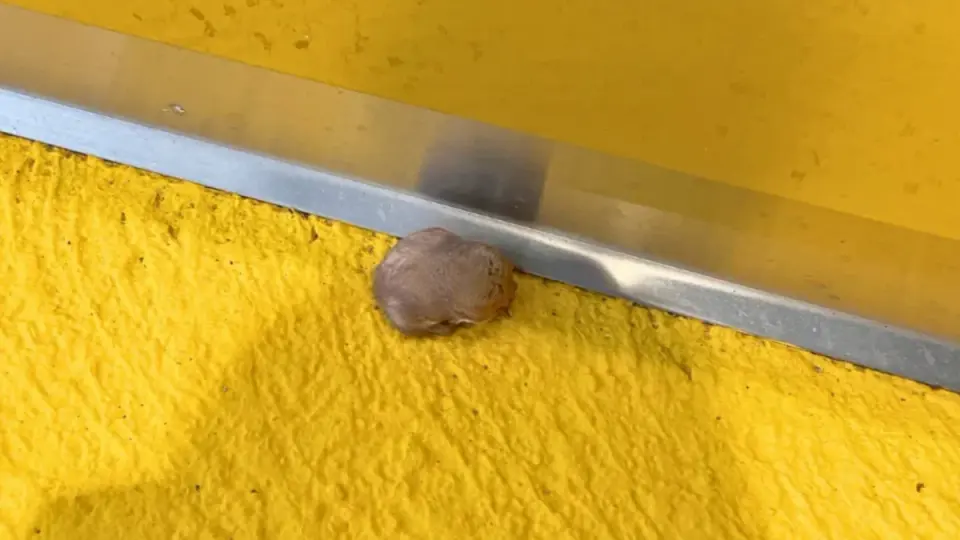
Karly-Lynne, a volunteer with FLAP Canada, discovered an injured eastern red bat in downtown Toronto while searching for birds that had collided with buildings. She transported the animal to the Toronto Wildlife Centre, where experts treated her minor head trauma. After nine days of monitoring, the bat recovered and was released back into the wild.
Key points
- Karly-Lynne, a volunteer for FLAP Canada, regularly walks through downtown Toronto to assist migrating birds that have collided with buildings.
- During a recent search, she noticed what appeared to be a mouse near a building base, but it revealed wings and was identified as an eastern red bat.
- The eastern red bat is one of seven endangered bat species in the area, according to the Toronto Wildlife Centre.
- Karly-Lynne used leather gloves to safely guide the feisty bat into a container and transported her to the Toronto Wildlife Centre.
- The Toronto Wildlife Centre is described as the only wildlife rescue program of its kind in Canada.
- Experts at the centre determined the bat suffered from minor head trauma but was otherwise healthy.
Background
Recent archive entries highlight the critical importance of urban and chance encounters in wildlife conservation. In October 2026, a social media photo led to the discovery of a critically endangered giant waterlily in Colombia, while a study confirmed the resurfacing of the venomous slow loris in Indonesian urban areas after a 90-year absence. These cases, alongside the current story, underscore how public awareness and immediate intervention in urban environments can significantly impact the survival of endangered species.
Why it matters
This incident illustrates the vital role of community volunteers in urban wildlife conservation. By recognizing and rescuing an endangered species during routine bird rescue operations, volunteers can prevent the loss of vulnerable animals in dense city environments. The successful rehabilitation and release of the eastern red bat demonstrate the effectiveness of specialized wildlife centers in treating injuries that might otherwise be fatal, contributing to the preservation of local biodiversity.
What to watch
The Toronto Wildlife Centre continues to accept donations to support its rescue and rehabilitation efforts. Volunteers like Karly-Lynne will likely continue their patrols in downtown Toronto to assist other wildlife affected by urban infrastructure.
Want the full story? Read the original reporting
Read on The Dodo