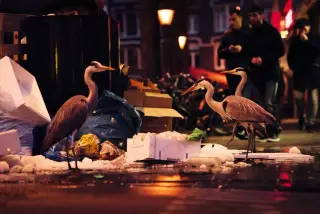
Grey herons have adapted to Amsterdam’s urban landscape by scavenging fish scraps at the Albert Cuyp Market, turning the daily cleanup into a communal feeding event that locals and vendors have accepted as part of the city's charm.
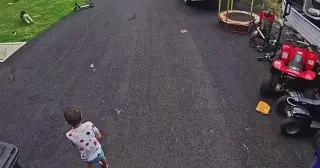
Recent viral incidents of dogs confronting bears have sparked public fascination, but new scientific analysis suggests these actions are driven by innate predatory instincts rather than a desire to protect humans. Researchers analyzed hundreds of bear-canine encounters to determine the true motivations behind these confrontations. The findings indicate that while dogs may inadvertently shield people, their primary drive is not loyalty. This insight challenges common assumptions about canine protective behavior in wild settings and highlights the unpredictable nature of interspecies interactions in increasingly shared habitats.
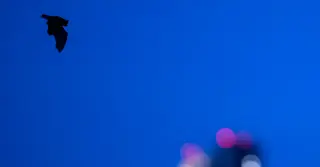
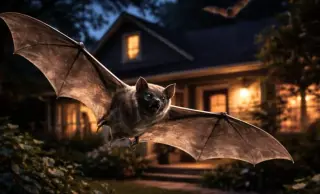
New York City’s bats have found a surprising foothold in urban green spaces like the High Line and Prospect Park, with researchers tracking their echolocation as several species adapt to city life; the work underscores bats’ role in pest control and highlights the broader, often unseen, wildlife thriving among NYC’s parks and streets.
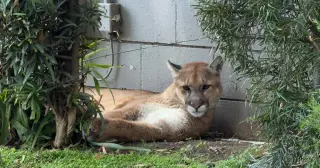
A young male mountain lion was spotted lounging in a Pasadena neighborhood near a school, triggering shelter-in-place warnings; wildlife officials tranquilized the cat later that day and released it into suitable habitat in the Angeles National Forest.
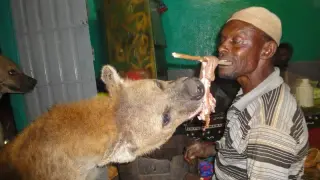
In Ethiopian cities like Harar and Mekelle, spotted hyenas and other scavengers help clean up urban waste by scavenging leftovers, reducing disposal costs and emissions, and potentially limiting disease spread. Studies show these urban hyenas process thousands of metric tons of waste annually, a mutual benefit locals largely view as positive, though attitudes vary by city. In Harar, a centuries-old hyena-feeding tradition persists inside the ancient walls and has become a tourism draw, while Mekelle’s hyenas commute nightly to landfills. Researchers caution that excessive habituation could provoke conflict, urging planners to balance ecosystems with initiatives like controlled eco-parks to sustain coexistence.
Nighttime bats circling yards indicate abundant insects and provide natural pest control through echolocation; urban bats help reduce crop damage and pesticide use, with Brazilian studies citing about $390–$391 million in annual savings, while rabies risk remains under 1% and bat houses support conservation.
Researchers tracking American crocodiles in Broward County have documented them sunning on docks, kayaks, and even jet skis, a thermoregulatory behavior that arises as their natural habitat is disturbed. Sun exposure helps regulate body temperature and may influence parasite dynamics, illustrating how urbanization is pushing crocodiles to use human structures for basking to survive.
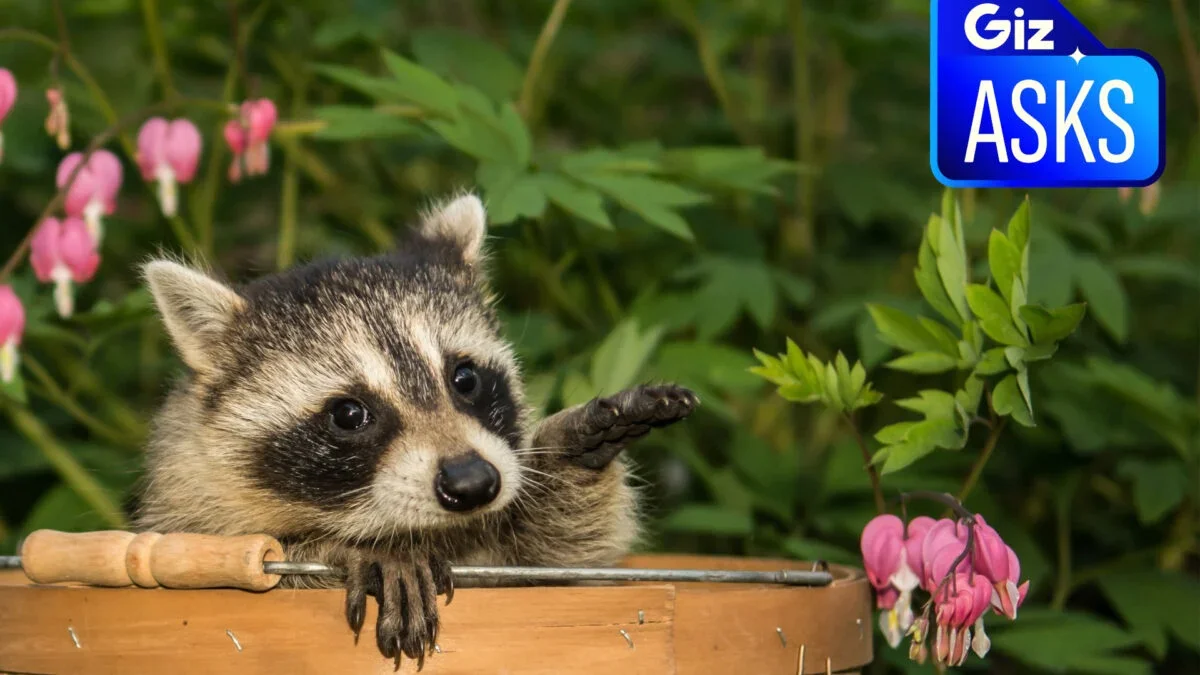
Experts weigh whether any wild species could be domesticated into the next popular pet; raccoons are highlighted as a potential example, but true domestication is a slow, complex evolution driven by social behavior and interaction with humans, with many urban wildlife species potentially following a commensal path rather than deliberate breeding, and dogs and cats remaining the benchmark.
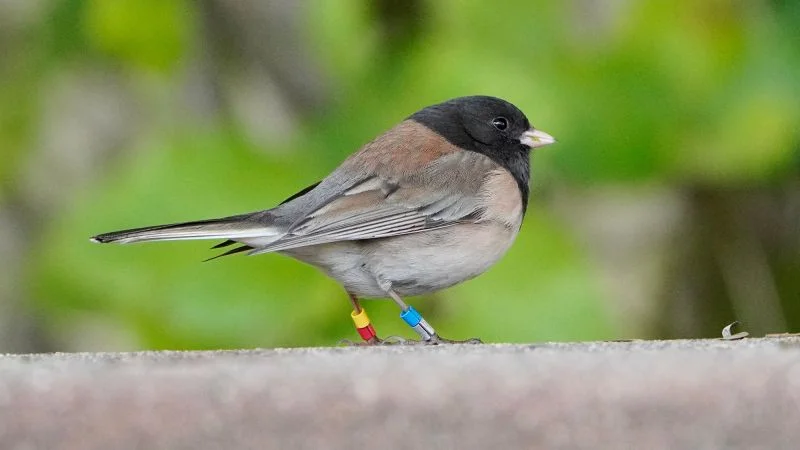
UCLA researchers found dark-eyed junco songbirds on campus hatched in 2021–2022 developed longer beaks, resembling mountain birds, likely in response to a more limited, campus-based diet during Covid-19 closures. After restrictions eased and students returned, birds hatched in 2023–2024 showed shorter beaks again, suggesting a rapid, reversible evolutionary pulse tied to human activity. The team is pursuing genetic data to confirm if these shape changes are genetic, and highlights how quickly wildlife can adapt to urban environments.
A study reveals that artificial city lights cause bats to take longer, energy-expensive detours to avoid illuminated areas, highlighting the negative impact of light pollution on nocturnal wildlife and emphasizing the need for reducing artificial lighting in urban planning.
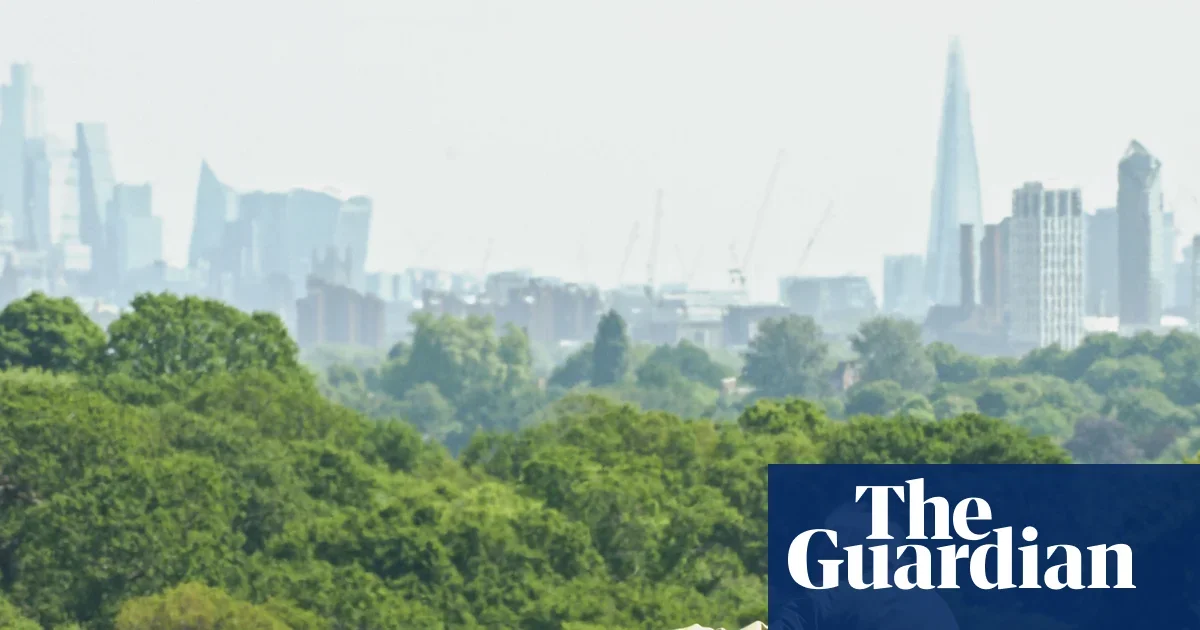
Sir David Attenborough, at 99 years old, explores London's hidden wildlife in a personal BBC documentary, highlighting the importance of urban green spaces and rewilding efforts, with scenes of foxes, beavers, and other city creatures, emphasizing nature's role in urban happiness.
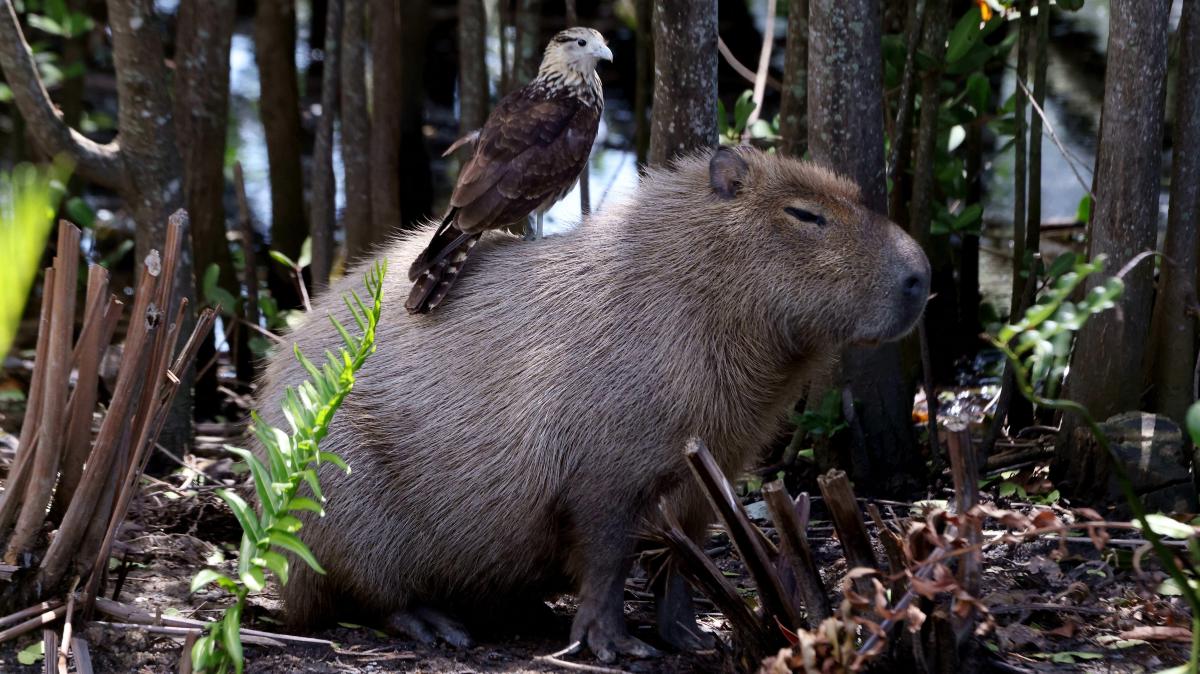
Capybaras, the largest rodents native to South America, are rapidly increasing in urban areas of Brazil and around the world, becoming popular cultural icons and tourist attractions, but their growing populations pose challenges such as ecological impact and health risks, leading to debates over sterilization and coexistence strategies.
The article explores the Ottoman-era tradition of building ornate bird palaces integrated into architecture, highlighting their cultural significance, artistic craftsmanship, and practical purpose in supporting urban birdlife, especially in Istanbul, while noting their decline due to modernization.
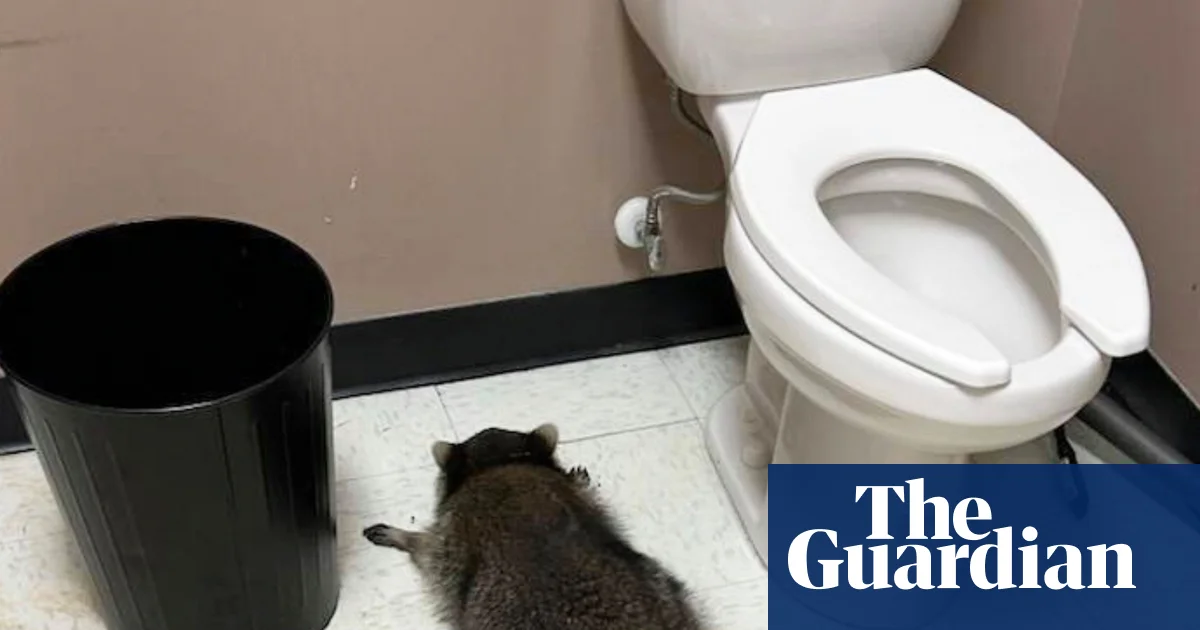
A raccoon in Virginia was found passed out in a liquor store after smashing bottles and getting drunk, highlighting raccoons' adaptability to urban environments and their tendency to scavenge alcohol, which is common in many ecosystems.
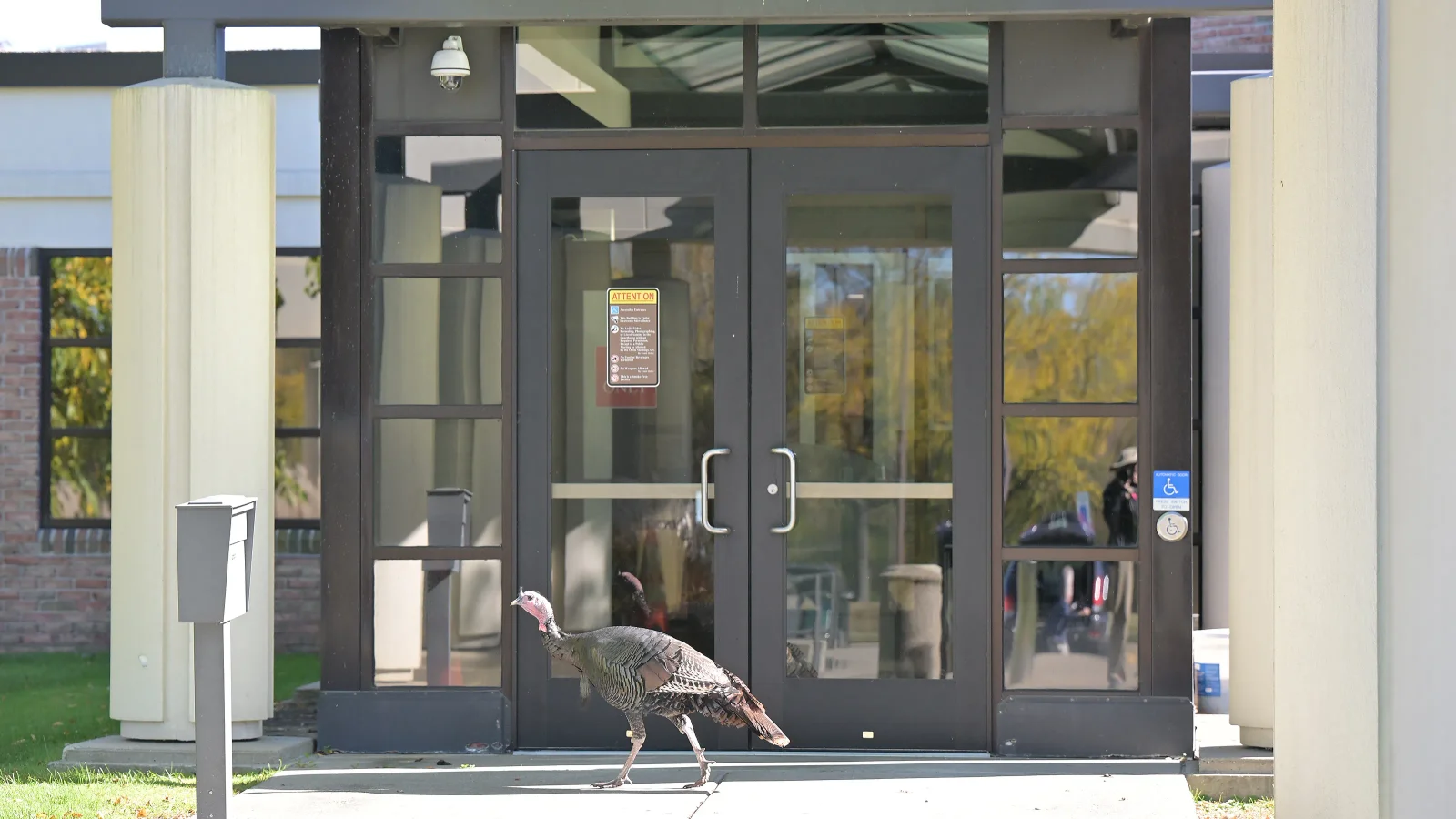
Wild turkeys in Michigan are becoming bolder and causing conflicts in urban areas, prompting the development of an AI-driven robot by University of Michigan students to deter them ethically and effectively, while experts suggest coexistence strategies like avoiding feeding and maintaining distance.