
Best Buy Allegedly Withholds 32GB RAM Stick from Customer After Warranty Repair
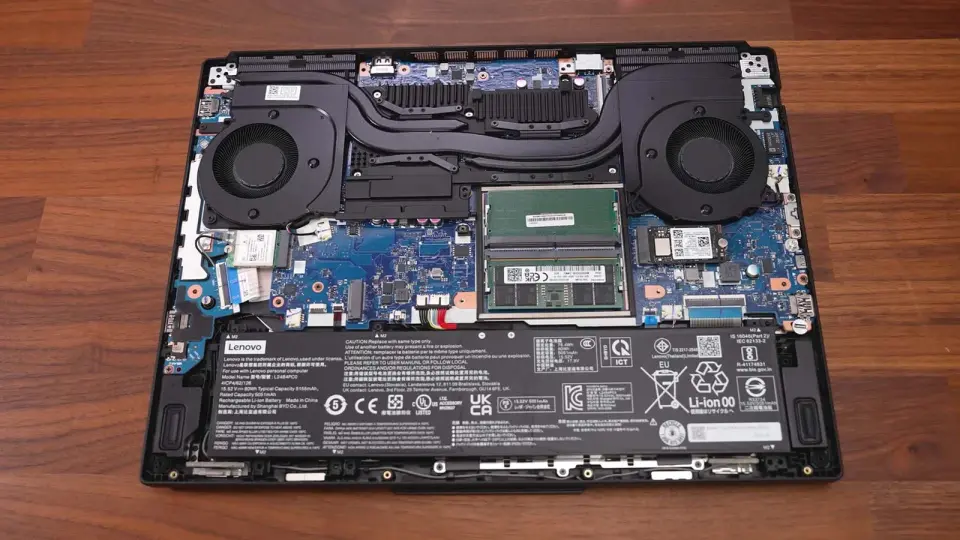
A Reddit user claims Best Buy removed a 32GB DDR5 RAM stick from a Lenovo Legion 5 gaming laptop during a warranty repair, keeping the component despite charging the customer for a 64GB configuration. The laptop, which featured an Intel Core i9-14900HX and RTX 5070, functioned with the full memory capacity for eight months before failing. Best Buy stated the system only supports 32GB, but the customer argues the retailer should return the removed stick or refund the cost, which is approximately $350. The dispute highlights ongoing tensions regarding memory pricing and warranty obligations.
Key points
- Customer purchased a Lenovo Legion 5 with 64GB DDR5 RAM, an RTX 5070, and a 2TB SSD from Best Buy.
- The laptop operated without issues for eight months before requiring warranty service.
- Best Buy returned the unit with only 32GB of RAM, claiming the 64GB configuration was incompatible.
- The retailer retained the removed 32GB stick, which is valued at approximately $349.99 on the open market.
- The customer argues that since the machine worked with 64GB for eight months, the failure was likely due to a single stick defect, not a compatibility issue.
- Best Buy’s action is described by the customer as theft, as they paid for the full configuration but received less hardware.
Background
This incident occurs amid a broader market of high memory prices and supply constraints. Recent coverage noted that RAM shortages have made upgrades expensive, with some users spending over $200 to source matching SODIMM modules for devices like the Steam Machine. Additionally, Microsoft recently adjusted its Windows 11 memory guidance due to DRAM shortages, emphasizing optimization over high baseline requirements. The current dispute underscores the financial impact of memory volatility on consumer electronics and the potential for disputes when retailers interpret hardware specifications strictly during warranty claims.
Why it matters
This case highlights the risks consumers face when purchasing high-end pre-built systems during periods of memory scarcity. It raises questions about retailer liability when hardware specifications are interpreted differently during warranty repairs, potentially leaving customers without components they paid for. The dispute also reflects the broader economic pressure on memory markets, where the cost of a single 32GB DDR5 module can exceed $300, making any unauthorized retention of hardware a significant financial loss for the buyer.
What to watch
The customer is advised to escalate the issue with Best Buy to seek a resolution, which may involve a refund for the missing stick or a replacement. The outcome will depend on whether Best Buy adheres to its warranty terms regarding the original configuration or maintains its position on hardware compatibility. This case may also prompt other consumers to verify their warranty terms and hardware specifications before purchasing high-memory configurations from major retailers.
Want the full story? Read the original reporting
Read on Wccftech