
Sakurai Discontinues Game Design Award, Warns AI Will Flood Market with Derivative 'Unplayable' Titles
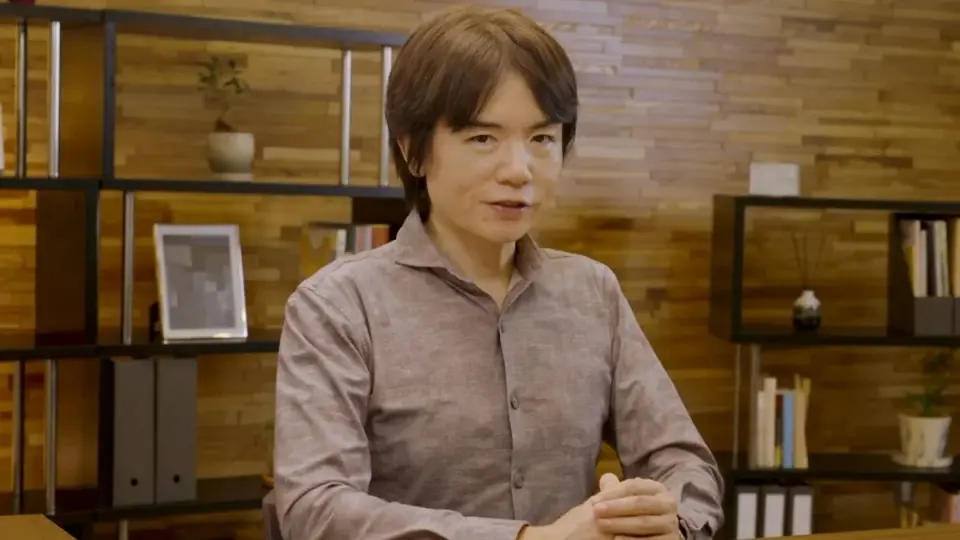
Masahiro Sakurai, creator of Super Smash Bros. and Kirby, has discontinued his 16-year-old Game Designers Award at the Tokyo Game Show, citing a lack of originality in modern game development. In interviews, he warned that the industry risks 'dying slowly' as AI enables the mass production of derivative games. Sakurai noted that while Steam releases have grown from 275 titles in 2010 to over 19,000 annually, AI will likely increase this volume with unplayable copies of existing concepts. He argued that true innovation, such as the unique visions of designers like Fumito Ueda, cannot be replicated by algorithms, making human creativity essential for the industry's survival.
Key points
- Sakurai ended the Game Designers Award after 16 years, stating he could not find a successor and lamenting that originality has low priority for many developers.
- He warned that AI will lead to a flood of 'unplayable' games that are direct copies of existing titles, exacerbating the problem of derivative content.
- Sakurai highlighted that Steam releases have surged from 275 in 2010 to over 19,000 annually, with Steam Next Fest alone featuring over 8,000 titles this month.
- He emphasized that while AI can mimic existing mechanics (like the game 'Librarian'), it cannot replicate the future original visions of human designers like Fumito Ueda.
- Sakurai argued that true originality involves creating experiences players do not yet know they want, a 'high hurdle' that AI cannot overcome.
Background
This follows our earlier coverage on October 21, 2026, which reported Sakurai's decision to end the award and his warnings about AI flooding the industry with derivative titles. The current briefing expands on his specific arguments regarding the difficulty of conveying original ideas to staff and publishers, and his comparison of AI-generated content to 'unplayable' copies. It also contextualizes his comments within the broader industry trend of AI-generated 'slop' games, as noted in related Kotaku coverage of Steam Next Fest.
How outlets are covering it
Kotaku and Nintendo Everything provide the most detailed accounts of Sakurai's interview with Denfaminicogamer, focusing on his philosophical arguments about originality and the 'high hurdle' of creating new systems. Kotaku emphasizes the 'bleak reflection' on the industry's future and the 'slow death' of originality. Nintendo Everything highlights the practical challenges of communicating original ideas to staff and publishers. GameGPU offers a more concise summary, focusing on the numerical growth of Steam releases and the fundamental inability of AI to make 'conceptual breakthroughs.' PC Guide's article is largely obscured by website code, but its title aligns with the core message of the other sources. All sources agree on the key facts: the discontinuation of the award, the 275 to 19,000 Steam release growth, and Sakurai's warning about AI-driven derivative content.
Why it matters
Sakurai's comments carry significant weight as he is a respected figure in game design, known for creating original mechanics within established genres. His warning highlights a growing industry concern that AI could lead to a saturation of low-quality, derivative content, potentially stifling innovation and making it harder for truly original games to gain visibility. The discontinuation of his award, which recognized innovative design regardless of sales, signals a shift in how the industry values and promotes originality.
What to watch
The gaming industry will likely continue to grapple with the impact of AI on game development and release volumes. Sakurai's comments may influence discussions about the value of originality in game design and the role of awards and recognition in promoting innovative titles. The industry may also see increased scrutiny of AI-generated content, particularly in events like Steam Next Fest, where the volume of AI-driven 'slop' games has already become a point of contention.
- Smash Bros and Kirby creator Masahiro Sakurai says AI usage will lead to unoriginal and "unprofitable" games PC Guide
- Masahiro Sakurai Says Gaming Needs Originality Or It ‘Will Die Slowly’ Kotaku
- Smash Bros. director Masahiro Sakurai warns AI could lead to unoriginal, unplayable games Nintendo Everything
- Super Smash Bros. creator speaks out about the impact of artificial intelligence on the industry GameGPU
- Masahiro Sakurai pushes back against AI use in game development, says "devs who forge their own path will become increasingly important" GoNintendo
Want the full story? Read the original reporting
Read on PC Guide