
Best Buy Halves Customer's RAM During Warranty Repair, Citing Compatibility Limits
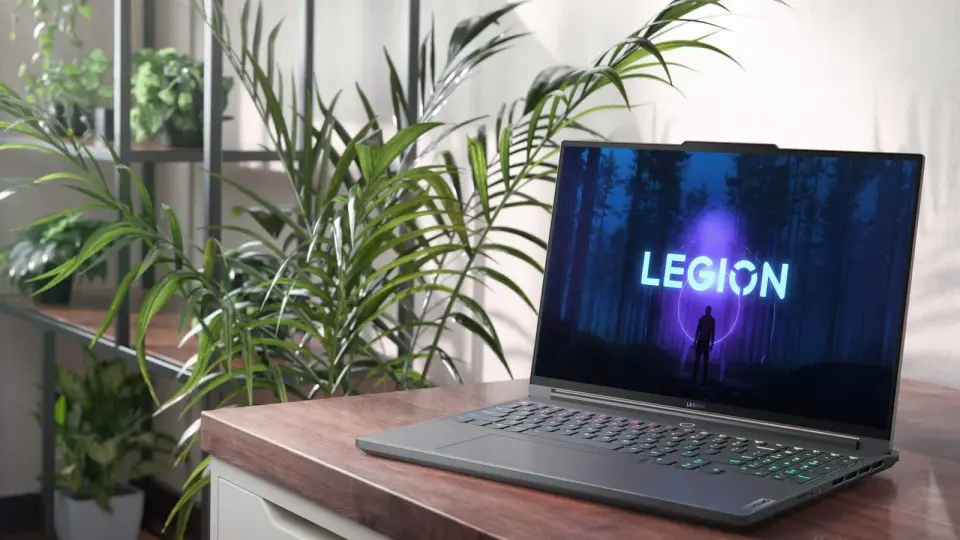
A customer reports that Best Buy returned a Lenovo Legion 5 gaming laptop with half its RAM removed after a warranty repair. The device, originally configured with 64GB of DDR5 memory, was sent back with only 32GB installed. Best Buy’s work order stated that the laptop supports a maximum of 32GB, despite the unit functioning with 64GB for eight months prior. The customer, who paid for the full 64GB configuration, claims the removed module was not returned. The incident has sparked debate over retailer practices and memory compatibility in the current market.
Key points
- Best Buy allegedly reduced a customer's 64GB RAM configuration to 32GB during a warranty repair for a Lenovo Legion 5 gaming laptop.
- The laptop, featuring an Intel Core i9-14900HX and Nvidia RTX 5070, experienced random blue screens after eight months of use.
- Best Buy’s repair documentation claimed the system only supports 32GB of RAM, leading to the removal of one 32GB module.
- The customer reports that the removed memory module, valued at over $600, was not returned with the device.
- The laptop was purchased from a third-party seller, PC Heaven, through Best Buy’s website, raising questions about configuration accuracy.
Background
This incident follows earlier reports in August 2026 regarding similar warranty issues with the Lenovo Legion 5. Previous coverage noted that while Lenovo’s official specifications list a 32GB maximum, the model has two memory slots, and the 64GB configuration appeared to be a third-party upgrade. The current DRAM shortage and rising memory prices have intensified scrutiny of retailer repair practices, as seen in other recent cases involving faulty memory replacements.
How outlets are covering it
TechSpot and Wccftech emphasize the customer’s perspective, highlighting the potential theft of the $600 memory module and the discrepancy between the sold configuration and the repair outcome. ExtremeTech focuses on the broader context of rising memory prices and suggests that Best Buy may be attempting to avoid costly replacements. Tom’s Hardware notes the contradiction between the live listing showing a 64GB configuration and Best Buy’s claim of a 32GB maximum, suggesting a possible listing error by the third-party seller. All outlets agree that the customer intends to escalate the issue with Best Buy, though they differ on whether the root cause is a technical limitation, a retailer error, or a deliberate attempt to save costs.
Why it matters
This case highlights the risks consumers face when purchasing high-spec configurations from third-party sellers through major retailers. It also underscores the financial impact of memory shortages on warranty repairs, where the cost of replacement parts can exceed the value of the device itself. The incident may prompt stricter scrutiny of retailer repair practices and third-party seller configurations in the gaming laptop market.
What to watch
The customer plans to visit a Best Buy store in person to escalate the issue and seek a resolution, which may include a replacement memory module or a full laptop replacement. Best Buy has not yet issued a public statement on the matter. The customer may also consider filing a credit card chargeback, though the laptop’s increased value since purchase complicates this option.
- Best Buy removes 32GB RAM worth $600 to "repair" customer's 64GB gaming laptop TechSpot
- Best Buy 'Repaired' a 64GB Laptop by Making It 32GB extremetech.com
- Redditor sends a gaming laptop with 64GB RAM for repair, comes back with 32GB RAM TweakTown
- Best Buy Customer Support Removed A 32GB DDR5 RAM Stick From Gaming Laptop After Charging Full Amount For The 64GB Configuration; Says Upgraded RAM Incompatible Wccftech
- Best Buy 'repairs' customer's gaming laptop by simply removing half the RAM— claims unit in question only accepts 32 GB of RAM despite listing a 64GB configuration Tom's Hardware
Want the full story? Read the original reporting
Read on TechSpot